
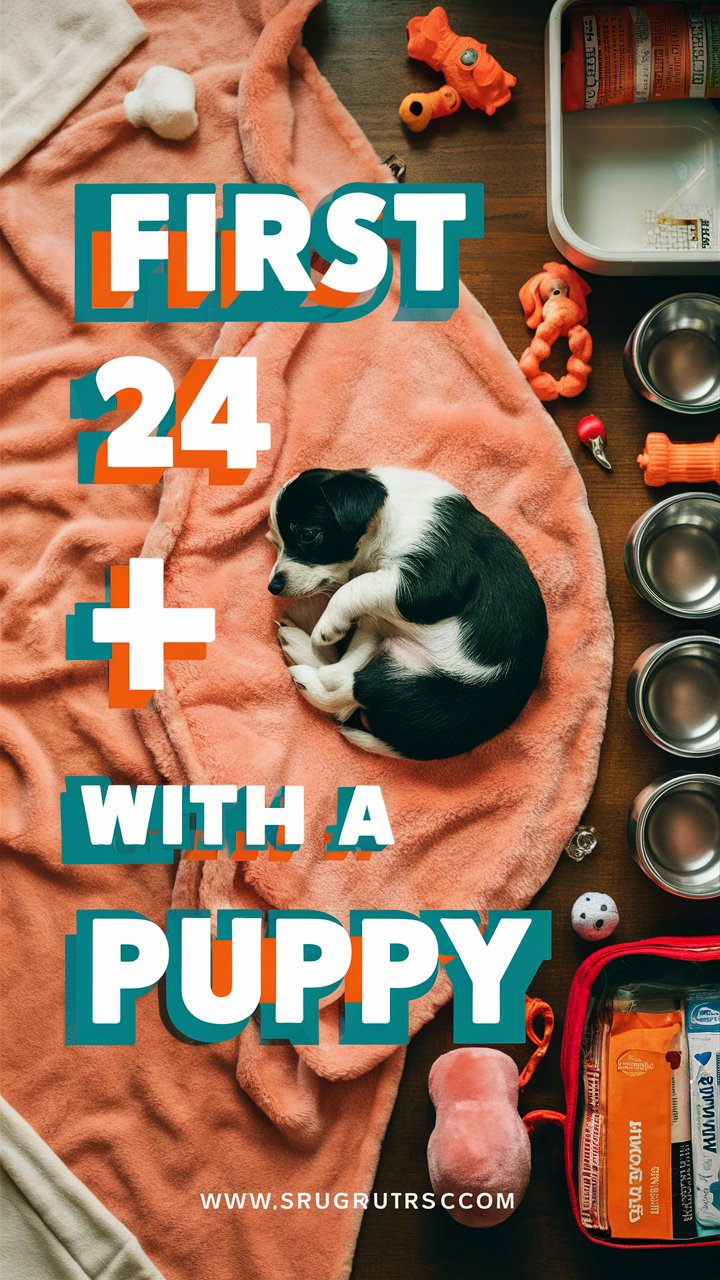
Introduction – Why the First Day Matters
Bringing home a new puppy is exciting, heartwarming, and—let’s be honest—a little overwhelming.
The first 24 hours set the tone for your puppy’s training, bonding, and comfort.
Whether you’re a first-time dog owner or adding another furry friend to your family, this step-by-step guide will help you make your puppy’s first day smooth, happy, and stress-free.
1. Prepare Your Home Before Puppy Arrives
Before your puppy even walks through the door, set up a safe and welcoming environment. This prevents accidents, reduces stress, and helps them adjust faster.
Puppy Zone Checklist:
- 🛏 Comfy bed or crate mat – A cozy sleeping space.
- 🏠 Crate – Essential for training and giving your puppy a safe space.
- 🧻 Puppy pads or newspapers – For indoor potty training.
- 🍲 Stainless steel food & water bowls – Durable and easy to clean.
- 🐶 Chew toys & soft toys – Prevents destructive chewing.
- 🐕 Leash & collar/harness – For outdoor potty breaks.
- 🥗 High-quality puppy food – Stick to what the breeder or shelter was feeding initially.
Puppy-Proofing Tips:
- Hide electrical cords.
- Store away shoes, bags, and anything chewable.
- Remove toxic plants and dangerous household items.
- Block off no-go areas with baby gates.
2. First Introduction to Their New Home
Your puppy’s first impression matters.
How to Do It Right:
- Start in their puppy zone—crate, bed, water bowl.
- Let them explore slowly—room by room, not the whole house at once.
- Keep things quiet—avoid loud noises or big gatherings.
- Offer gentle petting but let them approach you first.
Pro Tip: Have a blanket or toy from their old home so they recognize a familiar scent.
3. Establish a Potty Routine Immediately
Puppies have tiny bladders—they need frequent potty breaks.
Day-One Potty Plan:
- Take them outside as soon as you get home.
- Repeat every 1–2 hours during the day.
- Always go to the same spot—scent familiarity helps.
- Praise & reward immediately after they go.
Signs They Need to Go:
- Sniffing the ground
- Circling or whining
- Suddenly stopping play
Avoid: Punishing accidents—it creates fear and slows learning.
4. Introduce the Crate Positively
A crate isn’t a cage—it’s your puppy’s safe haven.
Crate Training Tips:
- Line it with a soft blanket.
- Toss in a toy or treat to encourage them to enter.
- Leave the door open initially.
- Gradually increase crate time in short sessions.
Vet-Backed Advice: Puppies should only be crated for short periods during the day, especially in the early weeks.
5. Feed on a Consistent Schedule
Regular meal times help with digestion and potty training.
Feeding Guidelines (Under 12 Weeks):
- 3–4 meals/day (about 4–5 hours apart).
- Stick to the same brand and recipe at first to avoid stomach upset.
- Provide fresh water at all times.
6. Gentle First-Day Socialization
Don’t overwhelm your puppy with too many new experiences.
Safe Socialization on Day One:
- Meet immediate family members in a calm setting.
- Introduce one or two new items—like a mirror or gentle squeaky toy.
- Avoid busy parks, pet stores, or unknown dogs until vaccinations are complete.
7. Playtime & Bonding
Play builds trust and teaches boundaries.
Fun First-Day Activities:
- Soft tug-of-war
- Gentle fetch with a small plush toy
- Cuddles and belly rubs
- Quiet sit-and-stay training with treats
Pro Tip: End playtime on a calm note to help them settle.
8. First-Night Success
Your puppy’s first night can be challenging—they may cry or whine.
Nighttime Tips:
- Potty break before bed.
- Place crate near your bed so they feel secure.
- Use a ticking clock or white noise for comfort.
- If they cry, check if they need to go outside—don’t just open the crate out of habit.
9. Monitor Health Closely
Watch for early signs of illness:
- Vomiting or diarrhea
- Lethargy
- Refusal to eat or drink
Vet Tip: Book your puppy’s first vet appointment within the first week. Bring vaccination records if available.
10. Enjoy the Moment
The first 24 hours will be messy, tiring, and heart-melting.
Take photos, be patient, and remember—this stage goes by quickly.
Quick First-Day Puppy Checklist
✅ Puppy-proof your home
✅ Set up a puppy zone
✅ Establish potty schedule
✅ Introduce crate
✅ Feed on time
✅ Keep first day calm
✅ Begin gentle bonding
✅ Monitor health
Final Word
Your puppy’s first 24 hours are the foundation for a happy, healthy life together.
With preparation, patience, and a little humor, you’ll start your journey on the right paw. 🐾