
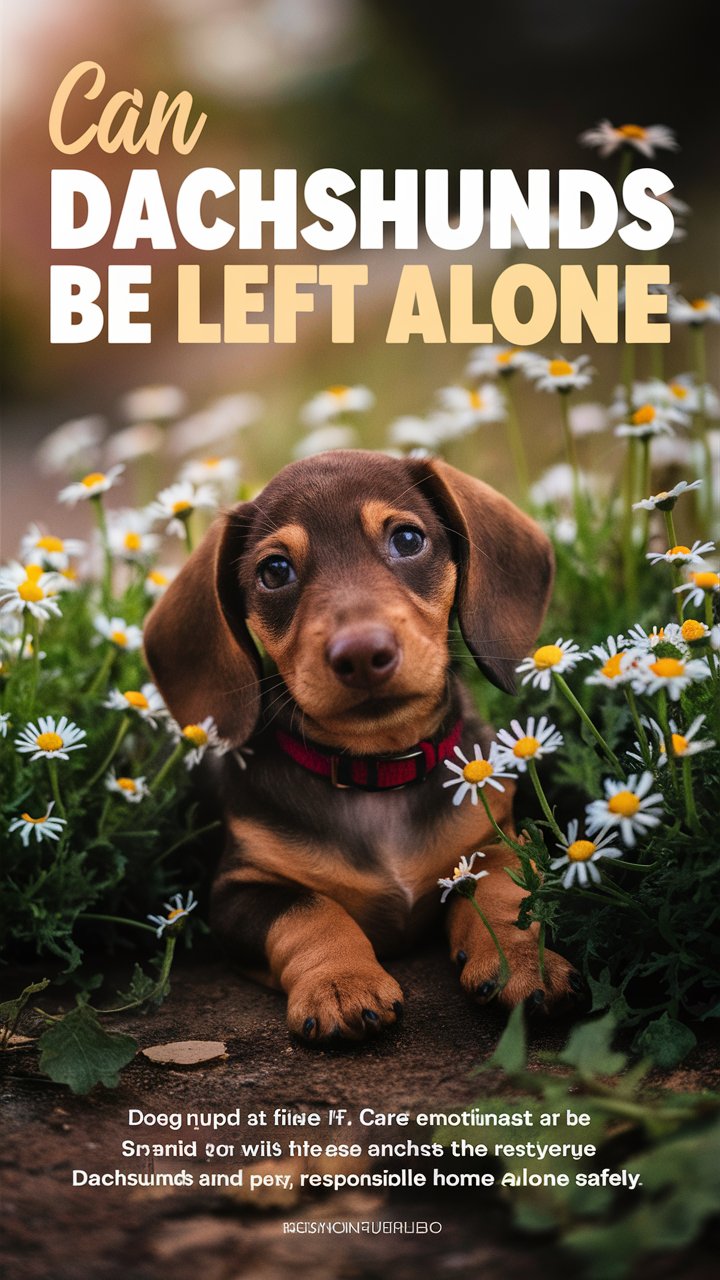
It’s heartbreaking when your Dachshund — the dog you love like family — seems to avoid you. You feed them, care for them, and give them a good life, yet they still act distant or even scared.
If you’ve ever wondered “Why does my Dachshund not like me?”, you’re not alone. Dachshunds are loving, loyal, and intelligent — but they’re also sensitive, stubborn, and emotionally complex.
This guide explains every possible reason your Dachshund might seem to dislike you, how to rebuild that bond, and how to earn their trust and love again.
By the end, you’ll know exactly what to do — and your pup will be back to wagging their tail every time they see you. 🐶💛
📖 Table of Contents
- Understanding Dachshund Behavior
- 9 Common Reasons Why Your Dachshund Might Not Like You
- Misreading Your Dachshund’s Behavior
- How to Tell if Your Dachshund Truly Dislikes You
- 8 Proven Tips to Make Your Dachshund Like You Again
- Expert Advice for Faster Bonding
- Common Mistakes Owners Make (That Push Dachshunds Away)
- When to Seek Professional Help
- Final Thoughts
🧠 1. Understanding Dachshund Behavior
Before jumping to conclusions, it’s important to understand how Dachshunds think.
Dachshunds were originally bred as hunting dogs. Their long, low bodies helped them dig into burrows to chase badgers — meaning they are brave, independent, and determined.
However, these same traits can make them strong-willed and emotionally guarded. Dachshunds love deeply, but they decide who earns that love.
They are also known to form one strong attachment — often favoring a single family member over others. So, if your Dachshund doesn’t seem to like you as much, it doesn’t mean they hate you — they just haven’t bonded with you yet.
😔 2. 9 Real Reasons Why Your Dachshund Might Not Like You
Let’s explore all the genuine causes behind your Dachshund’s cold or distant behavior.
1. 🐕🦺 Past Trauma or Abuse
If your Dachshund came from a shelter, rescue, or previous home, they may carry emotional scars.
Dogs who were abandoned, shouted at, or hit can associate humans with fear or pain.
What to do:
Give them time. Avoid loud voices, sudden movements, or punishment. Use calm tones, treats, and positive experiences. With patience, love will replace fear.
2. 💔 Previous Neglect
If your Dachshund didn’t receive enough love, attention, or playtime in the past, they may have learned to survive emotionally on their own.
How to fix it:
Spend at least 30–60 minutes daily in one-on-one bonding. Play, walk, cuddle, or even talk to them softly. They’ll soon realize you’re not like their past.
3. 🏡 Changes in Environment
Moving to a new home, new city, or adding new people or pets can make Dachshunds feel insecure.
They crave stability and routine. When their world changes, they may temporarily associate you with that confusion.
Solution:
Keep their food, bed, and toys consistent. Establish a new routine quickly — same walk time, same meal time. Familiarity brings comfort.
4. 😢 Grieving or Emotional Stress
Dogs grieve too. If your Dachshund recently lost a companion, human, or pet, they might appear distant or sad.
Tip:
Allow space but gently engage them in enjoyable activities — car rides, playdates, or their favorite treats. Gradually, their joy will return.
5. 🩺 Pain or Illness
Dogs often hide pain instinctively — a leftover survival trait from their wild ancestors.
If your Dachshund avoids touch, growls unexpectedly, or isolates themselves, it could be due to joint pain, back problems (common in Dachshunds), or dental pain.
What to do:
Book a vet visit. Once pain is treated, their loving behavior often returns quickly.
6. ⏰ Lack of Attention
Life gets busy — work, kids, social media — and dogs notice.
If your Dachshund feels ignored, they may stop showing affection as a form of emotional protest.
Solution:
Rebuild the bond through consistent attention. Even short, 10-minute play sessions multiple times a day can rebuild trust.
7. 🐾 Lack of Early Socialization
If your Dachshund wasn’t properly socialized as a puppy, they may struggle to trust new people or environments.
Fix:
Expose them gently to positive new experiences — walks, other dogs, new people. Keep it calm and reward bravery with treats and praise.
8. 🧍♂️ Unintentional Negative Association
Sometimes, you might unknowingly be the “bad guy.” If you’re the one who gives baths, administers medicine, or trims nails, your Dachshund may associate you with unpleasant experiences.
Quick Fix:
Balance negative tasks with fun — give treats after every bath, play a game after grooming, or feed them right after medication. This rewires their brain to associate you with good things.
9. ⚖️ Inconsistent Rules or Discipline
Dogs thrive on consistency. If one day you let them on the couch and the next you scold them for it, it creates confusion and frustration.
Fix:
Set clear, consistent rules and stick to them. Consistency builds security — and security builds love.
🤔 3. Are You Misreading Their Behavior?
Sometimes, your Dachshund actually does like you — they just express it differently.
Here are a few behaviors often mistaken for dislike:
- They don’t cuddle: Some Dachshunds show affection by following you, not by snuggling.
- They bark or growl: They may be guarding you, not angry at you.
- They ignore commands: Stubbornness is in their DNA, not dislike.
- They choose another family member: It’s not rejection — they may just feel closer due to routine or familiarity.
Watch their body language: tail wags, soft eyes, and relaxed posture usually mean they do like you.
❤️ 4. Signs Your Dachshund Truly Likes You
- Follows you around the house
- Brings you toys
- Licks your hands or face
- Sleeps close to you or in your scent
- Listens (most of the time 😅)
- Makes eye contact and wags their tail
If your Dachshund does some of these — they already like you more than you think.
🏆 5. 8 Proven Tips to Get Your Dachshund to Like You More
1. Spend Quality One-on-One Time
Dedicate 30 minutes daily to bonding — walks, fetch, cuddles, or training. The key is exclusive attention.
2. Take Care of Their Needs
Be the person who feeds, walks, and comforts them. Dachshunds quickly bond with whoever provides consistent care.
3. Use Positive Reinforcement
Reward good behavior with treats, praise, and affection. Avoid yelling or punishment — Dachshunds respond better to positivity.
4. Train Consistently
Training builds respect and understanding. Use short, fun 10-minute sessions daily. Try teaching new tricks — it boosts confidence and deepens your connection.
5. Do What They Love
If your Dachshund loves burrowing under blankets, let them. If they adore fetch, play more. By engaging in their favorite activities, they associate you with joy.
6. Add Structure and Routine
Feed, walk, and play at the same times daily. Predictability builds emotional safety.
7. Learn Their Love Language
Some dogs love cuddles, others love play. Observe what makes your Dachshund happiest — then do more of it.
8. Give Them Patience and Time
Bonding isn’t instant — especially with rescues. Stay patient, gentle, and consistent. Over time, your Dachshund will trust you completely.
🧩 6. Expert Tips to Deepen Your Bond
- Use scent: Wear a shirt with your scent near their bed — it comforts them.
- Eye contact: Soft eye contact releases oxytocin in both of you — it’s proven bonding science!
- Massage: Gentle petting along their back and ears reduces anxiety and increases trust.
- Interactive toys: Play mentally stimulating games (snuffle mats, puzzles) together.
⚠️ 7. Common Mistakes That Push Dachshunds Away
❌ Yelling or punishing them for mistakes
❌ Ignoring them for long hours
❌ Changing routines often
❌ Lack of exercise (they get bored easily)
❌ Forcing affection — let them come to you
❌ Using dominance training (harsh alpha methods don’t work with Dachshunds)
🩺 8. When to Seek Professional Help
If your Dachshund’s behavior includes:
- Constant hiding or trembling
- Sudden aggression
- Refusal to eat or interact
- Signs of depression
…it’s time to consult a veterinarian or canine behaviorist.
Sometimes underlying pain, anxiety, or neurological issues cause behavioral changes.
🌈 9. Final Thoughts
If your Dachshund doesn’t seem to like you right now — don’t lose hope. These little dogs are emotional survivors; they simply need patience, consistency, and love to heal.
When you invest time, empathy, and effort, your Dachshund will eventually look at you with complete trust — tail wagging, eyes sparkling, and heart full. 💖
You’re not just their owner — you’re their whole world.