
Introduction: Should You Worry If Your Whippet Sleeps 20 Hours A Day?
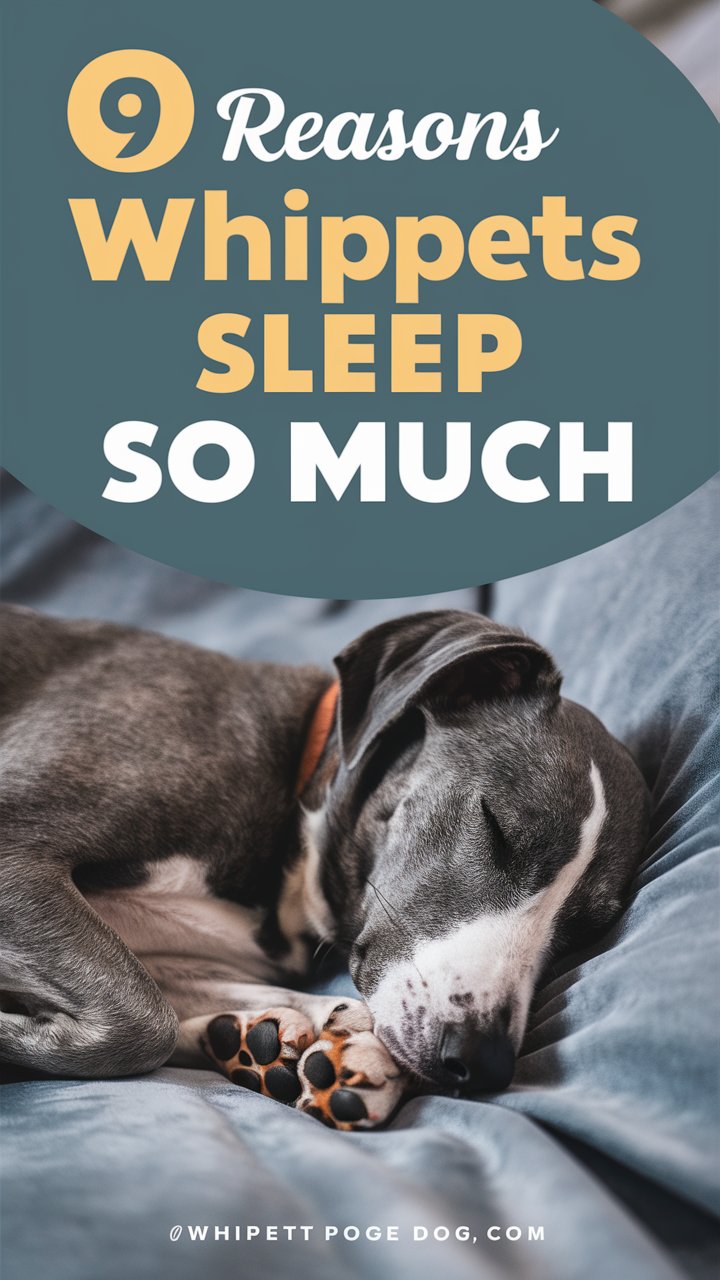
Whippets are known as couch potatoes with turbo engines. One moment they are zooming around like little racehorses, and the next moment they’re snuggled up, sound asleep — sometimes for 15 to 20 hours a day.
If you’re a whippet owner, you may wonder:
👉 “Is it normal for my whippet to sleep this much?”
👉 “Could too much sleep mean something is wrong?”
The truth is: whippets sleep more than many breeds, and most of the time, it’s completely normal. But in some cases, excessive sleep may signal boredom, poor diet, or health issues.
This article will reveal:
- ✅ 9 real reasons why whippets sleep so much (with expert insights)
- ✅ Signs when sleep indicates a medical problem
- ✅ Practical tips to keep your whippet energetic, healthy, and happy
- ✅ FAQs that new whippet owners frequently ask
Why Do Whippets Sleep So Much?
Dogs spend less time in REM sleep (deep, restorative sleep) compared to humans. While people enjoy around 25% REM sleep, dogs only get about 10%. That means your whippet needs more total sleep hours to feel fully rested.
Add their athletic bursts of energy, slim build, and sensitive nature, and you’ll understand why your pup loves long naps.
🐾 9 Reasons Why Whippets Sleep So Much
1. Recovery From High Activity
Whippets are sprinters, not marathon runners. After short bursts of energy, their muscles and nervous system need extended recovery. Just like human athletes, rest is essential for peak performance.
💡 Tip: If your pup just had an energetic play session or walk, don’t worry if they crash for hours afterward — it’s their body healing and recharging.
2. Age: Puppies & Seniors Sleep More
- Puppies (under 1 year): Can sleep up to 20 hours daily because their bodies are growing fast.
- Adult whippets (2–7 years): Usually need 12–16 hours.
- Seniors (8+ years): Tend to nap more as their energy slows down.
💡 Tip: Track your dog’s sleep pattern — sudden changes in sleeping habits (too much or too little) could indicate a health issue.
3. Whippets Actually Need More Sleep Than You Think
Many new owners panic seeing their whippet sleep 18 hours or more. But this is often normal! Unlike working breeds, whippets aren’t “on the go” all day — they are sprinters with lots of downtime.
✅ Healthy range: 12–20 hours depending on age, health, and activity.
4. Not Feeling Well (Sickness & Lethargy)
If your usually energetic whippet suddenly seems tired, weak, or uninterested in play, sickness could be the cause. Dogs instinctively rest more to recover.
⚠️ If lethargy lasts more than 48 hours, or comes with vomiting, diarrhea, or loss of appetite, see a vet immediately.
5. Poor Diet Or Nutrient Deficiency
“You are what you eat” applies to whippets too. A low-quality diet can lead to:
- Vitamin or protein deficiency
- Low energy
- Excessive sleep
💡 Tip: Choose high-protein, breed-appropriate dog food. Avoid overfeeding human treats, as they upset digestion and energy balance.
6. Not Eating Enough (Low Calorie Intake)
If your whippet is eating less (maybe due to stress, allergy, or dislike for food), they may lack enough fuel to stay active. Food is energy — less intake = more sleep.
✅ Solution: Track food intake. If your dog avoids meals for more than a day or shows symptoms like vomiting, consult a vet.
7. Boredom & Lack of Mental Stimulation
Whippets are highly affectionate but also sensitive. If left alone without toys, training, or stimulation, they’ll simply sleep out of boredom.
💡 Tips To Fight Boredom:
- Rotate puzzle toys
- Schedule daily play sessions
- Try agility or lure-coursing activities
8. Emotional Changes (Sadness or Depression)
Whippets are emotionally sensitive. They may sleep more if they’re:
- Grieving a lost companion
- Struggling with separation anxiety
- Adjusting to a new home
📌 Fun Fact: A New Zealand study found dogs slept 34% more after losing a companion.
💡 Tip: Keep routines consistent and give extra affection during stressful times.
9. Medical Conditions
Sometimes, extra sleep signals health problems like:
- Hypothyroidism
- Diabetes
- Arthritis
- Heart or kidney disease
⚠️ Red flags: Not eating, refusing walks, difficulty moving, or showing pain.
👉 Trust your instincts. You know your whippet best. If something feels “off,” don’t wait — consult your vet.
🌡️ Bonus: Why Do Whippets Sleep Under Covers?
Whippets have thin coats and low body fat, making them prone to chills. That’s why they burrow under blankets — for warmth, comfort, and security. Plus, cuddling under covers shows affection.
🐶 Do Whippets Like To Cuddle?
Absolutely! Whippets are one of the most affectionate breeds. While shy with strangers, they form deep bonds with family. Expect them to curl up on your lap, under blankets, or next to you at night.
✅ Helpful Tips To Keep Your Whippet’s Sleep Healthy
- Stick to a routine: Regular feeding, play, and nap times create stability.
- Choose quality food: High protein, omega fatty acids, and vet-approved diets boost energy.
- Daily exercise: At least 30–60 minutes of activity (walks, sprints, mental games).
- Check bedding: A soft, warm bed prevents joint stiffness.
- Vet checkups: Annual health exams catch hidden conditions early.
📝 FAQs
Q1: How many hours should a healthy whippet sleep?
👉 12–20 hours depending on age and activity.
Q2: Should I wake my whippet if they sleep too much?
👉 No. If they’re healthy and eating normally, let them rest. Only worry if they seem sick.
Q3: My whippet sleeps all day when I’m at work. Is it bad?
👉 Not necessarily. But ensure mental stimulation (toys, training, puzzles) when you’re home.
Conclusion: Sleep Is Normal, But Balance Is Key
Whippets may seem like the laziest breed in the world, but their love for long naps is perfectly natural. As long as your pup eats well, enjoys playtime, and seems happy, you don’t need to worry.
But remember: sudden changes, lethargy with symptoms, or refusal to eat = vet visit ASAP.
By ensuring a healthy routine of diet, exercise, love, and checkups, you’ll keep your whippet rested, happy, and full of life.