
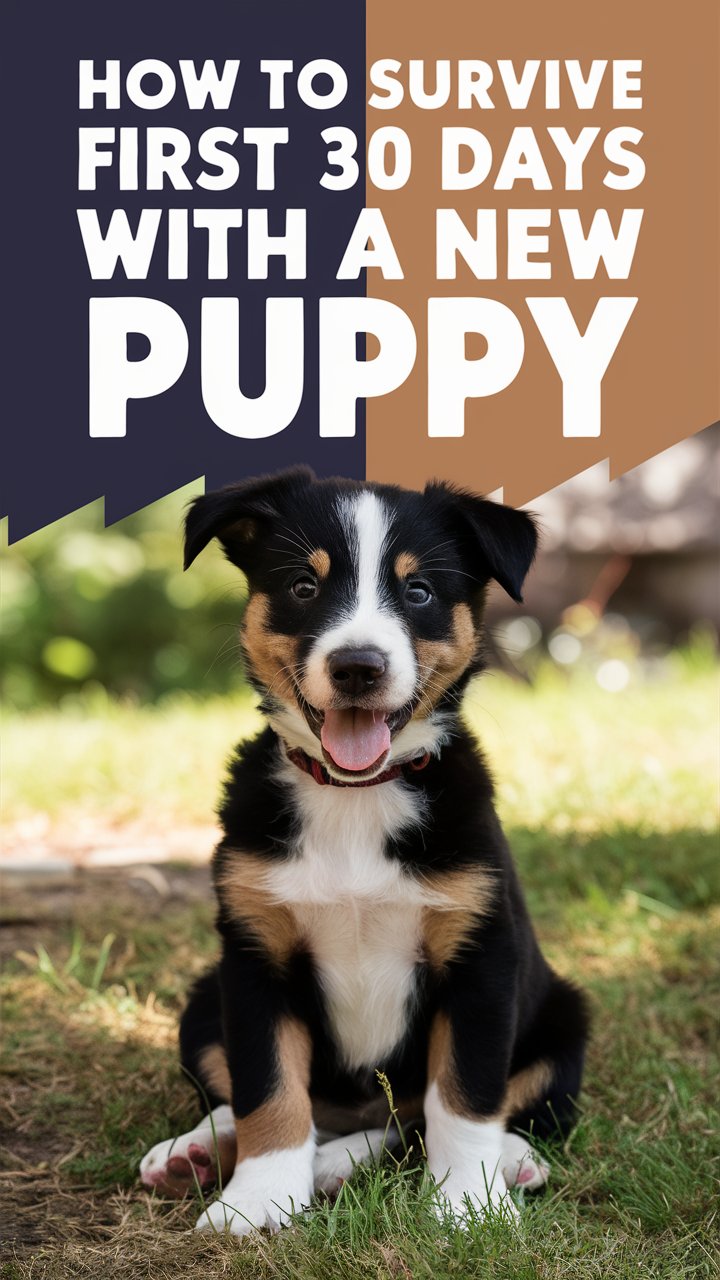
Bringing home a new puppy is one of life’s most exciting milestones. Their wagging tails, tiny paws, and playful energy fill your home with joy — but let’s be honest: the first 30 days can feel overwhelming. Sleepless nights, potty accidents, chewing, and endless questions about feeding and training often leave new puppy parents stressed.
Don’t worry — you’re not alone. In this complete 30-day puppy survival guide, we’ll cover everything you need to know to raise a happy, healthy, and well-behaved puppy. From setting up your home and understanding your puppy’s needs to building daily routines, tackling challenges, and enjoying every milestone — this article gives you expert advice that goes beyond the basics.
Whether you’re a first-time dog parent or adding another pup to your family, follow this guide to turn the first month into a smooth, rewarding journey.
🐶 Why the First 30 Days Are So Important
The first month with your puppy shapes their personality, habits, and bond with you for years to come. Puppies are like toddlers — curious, impressionable, and quick learners. What you teach (or fail to teach) now will stick.
Key reasons this month matters most:
- 🏡 Routine Building: Puppies thrive on consistency. A strong daily schedule now prevents future behavior problems.
- 🐕 Bonding: The trust you build in these 30 days sets the foundation for a lifelong friendship.
- 🦴 Training Basics: Crate training, potty training, and socialization must begin immediately.
- ❤️ Health & Safety: Early vet visits, vaccinations, and safe home setup ensure your puppy grows strong.
Weak point in many beginner articles: They stop at basic advice like “feed your puppy 3 times a day” or “take them outside often.” This guide goes deeper with expert schedules, troubleshooting tips, and advanced training hacks so you know exactly what to do.
📅 Week-by-Week Puppy Survival Guide
🗓️ Week 1: Settling In & Building Trust
Goal: Make your puppy feel safe and secure.
- Prepare Their Space:
- Use a crate or playpen for a den-like space.
- Add soft bedding, water, and safe chew toys.
- Keep it in a quiet corner but near family activity so they don’t feel isolated.
- Set a Routine:
Puppies feel calmer when they know what to expect. Start fixed times for:- Feeding
- Potty breaks
- Playtime
- Nap time
- Potty Training Basics:
- Take your puppy outside every 2–3 hours, and always after meals, naps, and playtime.
- Praise and reward immediately after they go in the right spot.
- Avoid punishment — accidents happen.
- First Night Survival Tips:
- Place the crate near your bed so they don’t feel alone.
- Use a ticking clock or white-noise machine to mimic mom’s heartbeat.
- A warm blanket (not hot) can comfort them.
💡 Pro Tip: The first week is more about bonding and observation than strict training. Get to know your puppy’s habits, energy level, and personality.
🗓️ Week 2: Routine & Early Training
Goal: Start teaching rules gently.
- Feeding Schedule:
Most puppies (8–12 weeks old) need 3–4 meals per day. Stick to one type of high-quality puppy food to avoid tummy upsets. 🥣 Example Feeding Schedule (8–12 weeks):- 7 AM – Breakfast
- 12 PM – Lunch
- 5 PM – Dinner
- (Optional light snack at bedtime)
- Crate Training Progress:
- Encourage your puppy to nap in the crate during the day.
- Feed meals inside the crate for positive association.
- Gradually increase crate time.
- Socialization Starts Now:
- Introduce safe new experiences: different rooms, household noises, car rides.
- Meet calm, vaccinated dogs or friendly people.
- Avoid overstimulation — short and positive interactions are best.
- Basic Commands:
Start with:- Sit
- Come
- Leave it
Use treats and praise. Keep sessions short (5 minutes) but frequent.
🗓️ Week 3: Confidence Building & Behavior Shaping
Goal: Expand training, reduce unwanted behaviors.
- Chewing & Biting:
- Redirect biting to chew toys.
- Avoid rough play with hands.
- Freeze toys (like a wet washcloth) to soothe teething pain.
- Leash Training Begins:
- Let your puppy wear a lightweight collar and leash indoors first.
- Reward them for walking beside you.
- Keep early walks short and safe.
- Increase Socialization:
Expose your pup to:- Vacuum cleaner, doorbell, hairdryer.
- Different surfaces (grass, gravel, hardwood).
- Short car trips.
- Alone Time Practice:
Prevent separation anxiety by leaving them alone for short periods. Increase gradually.
🗓️ Week 4: Building Independence & Advanced Habits
Goal: Strengthen training and routine.
- Consistent Potty Training:
By now, your puppy should last 3–4 hours without accidents. Stick to rewards, and never scold late. - Extended Crate Time:
Teach them to nap or rest quietly for longer stretches. - More Commands:
Add:- Down
- Stay
- Drop it
- Vet Check & Vaccinations:
- Second round of shots usually happens around this time.
- Discuss flea/tick prevention and diet with your vet.
- Bonding Activities:
- Gentle fetch games.
- Puzzle toys for mental stimulation.
- Puppy playdates (with safe dogs).
🛠️ Common Challenges & Expert Fixes
- Crying at Night:
- Don’t rush immediately to comfort every whine — wait a minute.
- Make sure potty needs are met before bedtime.
- Potty Accidents Indoors:
- Clean with enzyme cleaner (not ammonia).
- Increase outdoor trips.
- Chewing Furniture:
- Puppy-proof your home.
- Use deterrent sprays.
- Provide plenty of chew toys.
- Biting During Play:
- Say “ouch!” and stop play immediately.
- Resume only when puppy calms down.
📊 Quick Puppy Schedule Chart (8–12 Weeks)
| Time | Activity |
|---|---|
| 7:00 AM | Potty + Breakfast |
| 7:30 AM | Play/Training |
| 8:30 AM | Nap |
| 10:00 AM | Potty + Play |
| 12:00 PM | Lunch |
| 1:00 PM | Nap |
| 3:00 PM | Potty + Walk |
| 5:00 PM | Dinner |
| 6:00 PM | Training + Play |
| 7:00 PM | Nap |
| 9:00 PM | Potty + Light Play |
| 10:00 PM | Bedtime Routine + Crate |
❓ FAQs
Q: How long will it take to potty train my puppy?
A: With consistency, most puppies show major progress within 4–6 weeks, but accidents may still happen.
Q: Should I sleep with my puppy?
A: Not in your bed. Use a crate near you to comfort them while maintaining structure.
Q: When can I take my puppy outside for walks?
A: After at least the second round of vaccinations (usually around 12 weeks). Until then, stick to safe, clean areas.
Q: What if my puppy won’t eat?
A: It’s normal for a puppy to skip a meal when adjusting, but consult your vet if appetite loss continues more than 24 hours.
🎯 Final Thoughts – Enjoy the Journey
Yes, the first 30 days with a new puppy are challenging, but they’re also magical. Every sleepless night, chewed shoe, and little accident is part of raising your best friend. By focusing on structure, patience, and positive reinforcement, you’ll transform your puppy into a confident, well-behaved companion.
Remember: the habits you build today create the dog you’ll have tomorrow. Stay consistent, enjoy every milestone, and celebrate the little victories.