
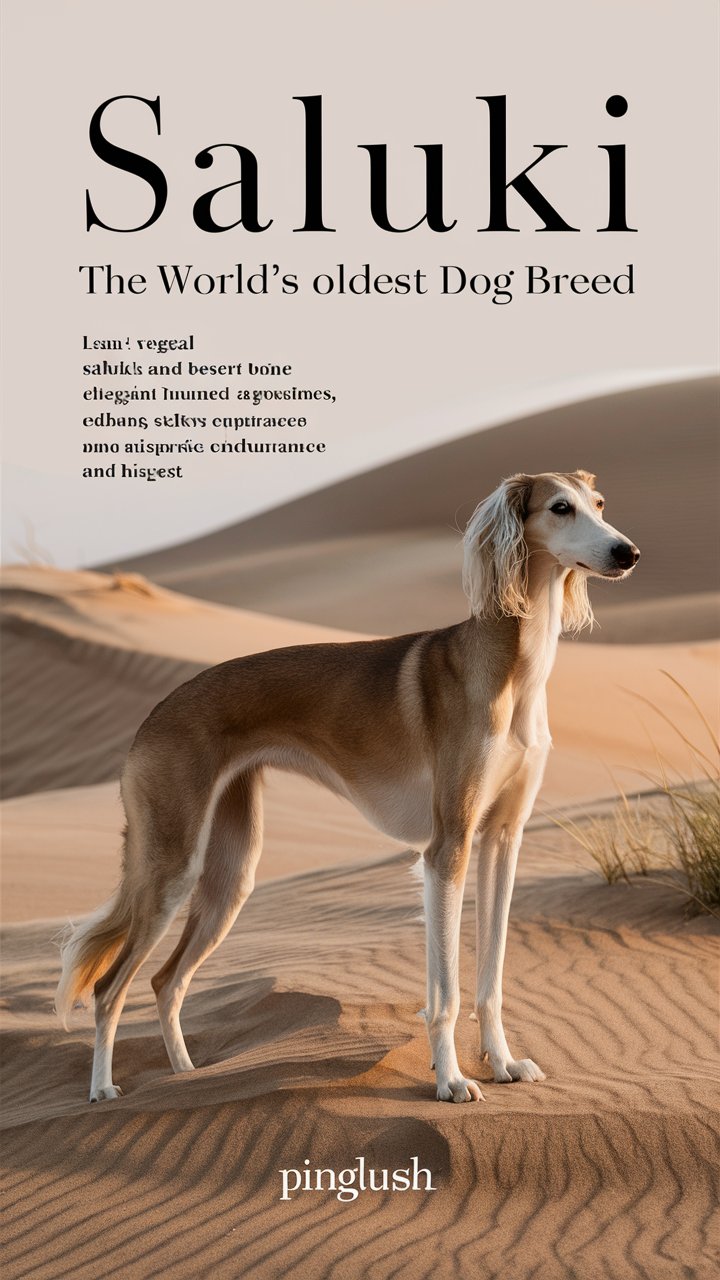
Meta Description:
Discover the timeless beauty of Saluki dogs — their history, personality, care tips, and fascinating facts. Learn why the “Royal Dog of Egypt” remains one of the world’s most graceful and intelligent breeds.
🏆 Introduction: The Royal Dog That Stands Apart
Elegant. Intelligent. Ancient.
The Saluki is more than just a dog — it’s living history wrapped in speed and grace. Known as the “Royal Dog of Egypt,” the Saluki has been cherished for thousands of years by pharaohs, nobles, and desert nomads.
But beyond their regal looks, these dogs are full of surprises — loyal yet independent, fast yet gentle, affectionate yet dignified.
If you’ve ever wondered what makes Salukis so special (and whether they’re the right dog for you), this guide answers every question — plus a few advanced insights most people don’t know.
📜 What Is a Saluki?
The Saluki is a sighthound — a breed that hunts by sight and speed rather than scent. With long, lean muscles and a heart built for endurance, Salukis can reach up to 43 mph (70 km/h), rivaling even the famous greyhound.
Their silky coats, expressive eyes, and feathered ears give them an aristocratic charm — but beneath that elegance lies a fierce hunter and loyal companion.
🌍 Origin & History: From Pharaohs to Modern Families
The Saluki’s roots stretch back over 5,000 years, making it one of the oldest domesticated dog breeds in history. Ancient carvings and tomb art from Egypt, Persia, and Mesopotamia depict dogs identical to today’s Salukis.
They were once used by Bedouin tribes to hunt gazelles and hares across vast deserts — a job that demanded intelligence, endurance, and speed.
💬 Fun Fact: Many Salukis were considered gifts from Allah — too noble to be sold, only gifted to those worthy.
👑 What Does “Saluki” Mean?
The name “Saluki” comes from the Arabic word “sālūkī,” meaning “royal messenger.” A fitting title for a breed once reserved for kings and nobles.
🦴 Physical Characteristics
| Feature | Description |
|---|---|
| Height | 22–28 inches (55–71 cm) |
| Weight | 40–65 lbs (18–30 kg) |
| Coat | Smooth or feathered |
| Colors | White, cream, fawn, red, grizzle, or black and tan |
| Build | Lean, muscular, and aerodynamic |
| Life expectancy | 12–14 years |
Their feathered ears and tail not only add elegance but also helped protect them from desert sandstorms.
⚡ Speed & Agility: The Born Racer
The Saluki isn’t just fast — it’s one of the fastest animals on Earth (after the cheetah).
- Top speed: 43 mph (70 km/h)
- Acceleration: Within seconds
- Unique skill: Can maintain high speed over long distances
🏁 Greyhound vs Saluki:
While greyhounds are slightly faster in short bursts, Salukis can maintain their speed longer — giving them an edge in endurance.
💓 Temperament: Graceful, Gentle & Intelligent
Salukis are known for their calm, cat-like independence combined with deep loyalty. They’re affectionate but not clingy, intelligent but sensitive, and elegant yet athletic.
Best traits:
✅ Extremely loyal
✅ Quiet and clean
✅ Great with calm children
✅ Sensitive and intuitive
Challenging traits:
⚠️ Can be shy with strangers
⚠️ Strong prey drive — not ideal off-leash
⚠️ May suffer separation anxiety if left alone often
💡 Tip: Salukis thrive in peaceful homes with gentle leadership. Harsh training methods can damage their trust.
🧠 Advanced Training Tips
Training a Saluki requires patience, consistency, and positive reinforcement. Because they’re independent thinkers, traditional obedience drills can bore them quickly.
Pro Tips for Training Success:
- Use short, fun sessions (5–10 minutes).
- Reward with treats, praise, or play, not force.
- Practice recall training early — they love to chase.
- Teach impulse control games like “stay before chase”.
- Socialize from puppyhood to reduce shyness.
🎯 Advanced Hack: Combine scent games with sight challenges (like lure coursing) — it engages both their ancient instincts and intelligence.
🍗 Diet & Nutrition
Salukis have fast metabolisms and lean bodies, meaning they need high-quality, protein-rich food.
Ideal diet composition:
- Protein: 18–25%
- Fat: 5–10%
- Carbs: Low and grain-free
Best foods: Chicken, turkey, fish, lamb, and salmon oil for coat health.
Avoid processed fillers and high-grain kibble — it can cause digestive upset.
🐾 Exercise & Lifestyle
Salukis are athletic but calm indoors.
- Daily walks: 60–90 minutes
- Free running: Secure, fenced area only
- Mental stimulation: Puzzle feeders, scent games, and lure courses
They love running, but also enjoy lounging gracefully on the couch afterward.
🛁 Grooming & Care
Salukis are low-maintenance but require regular light grooming.
- Brushing: Once a week
- Bathing: Every 2–3 months
- Ears & teeth: Clean weekly
- Nails: Trim monthly
💡 Tip: Use a soft slicker brush — their skin is delicate.
🧬 Health & Longevity
Generally healthy, but they can be prone to:
- Heart issues (dilated cardiomyopathy)
- Hip dysplasia
- Eye conditions (retinal atrophy)
- Bloat (Gastric torsion)
Prevention:
- Feed smaller, frequent meals
- Avoid heavy exercise right after eating
- Annual vet check-ups are essential
🏡 Living with a Saluki
- Best suited for: Active families, gentle owners, or rural homes with space.
- Apartment living: Possible if exercised daily.
- Compatibility: Usually good with dogs; early socialization needed with cats.
⚠️ Never let a Saluki off-leash in open areas — their prey drive can make them bolt instantly.
💰 Cost & Adoption
| Type | Price Range |
|---|---|
| Puppy (breeder) | $2,000–$3,000 |
| Rescue/Adoption | $300–$600 |
Always choose ethical breeders or Saluki rescue organizations. Avoid puppy mills — temperament and health issues are common there.
💬 Fun & Lesser-Known Facts
✨ Salukis were often mummified and buried with Pharaohs in Egypt.
✨ They’re one of the few breeds that can maintain speed and stamina over long distances.
✨ Their quiet nature makes them one of the cleanest, least-smelling dog breeds in the world.
✨ Each Saluki has a unique personality — some are couch potatoes, others sprint champions.
🧩 Common Questions (Quick FAQ)
Do Salukis bark a lot?
No, they’re one of the quietest breeds.
Are Salukis affectionate?
Yes — but in a reserved, gentle way.
Can Salukis live in India?
Yes. Their desert ancestry helps them thrive in warm climates — just provide shade and hydration.
Can Salukis be left alone?
For short periods, yes. But they prefer companionship.
🏁 In Conclusion: A Living Work of Art
The Saluki is a rare blend of beauty, speed, and heart.
They’re not for everyone — but for the right person, they’re unforgettable.
If you value loyalty, elegance, and quiet companionship, a Saluki might just be your soul mate in canine form.
💖 Once you earn a Saluki’s trust, you’ll have a friend for life.