
By David
Updated: July 6, 2025
Congratulations on your new puppy! 🎉 You’ve welcomed a bundle of energy, joy, and yes—a fair amount of chaos. But don’t worry. With the right guidance and schedule, you can raise a calm, confident, and well-behaved dog that you’ll be proud to take anywhere.
This isn’t just another “teach your dog to sit” guide. This is a structured, science-backed roadmap that takes you from day one to full-fledged puppy pro. Let’s get started.
📌 Why a Structured Training Schedule Matters
Imagine going to school where rules change every day. Confusing, right? That’s how puppies feel without consistency. A structured schedule:
- Builds trust and routine
- Prevents problem behaviors
- Speeds up potty training
- Boosts confidence
- Makes your life way easier
Dogs thrive on routine. A clear, predictable structure helps your puppy understand what’s expected—eliminating frustration for both of you.
🧠 What You’ll Find in This Guide:
✅ Week-by-week training plan
✅ Crate training basics
✅ Troubleshooting bad behavior
✅ Breed-specific notes
✅ Expert tips & positive reinforcement
✅ Free printable routine chart (optional)
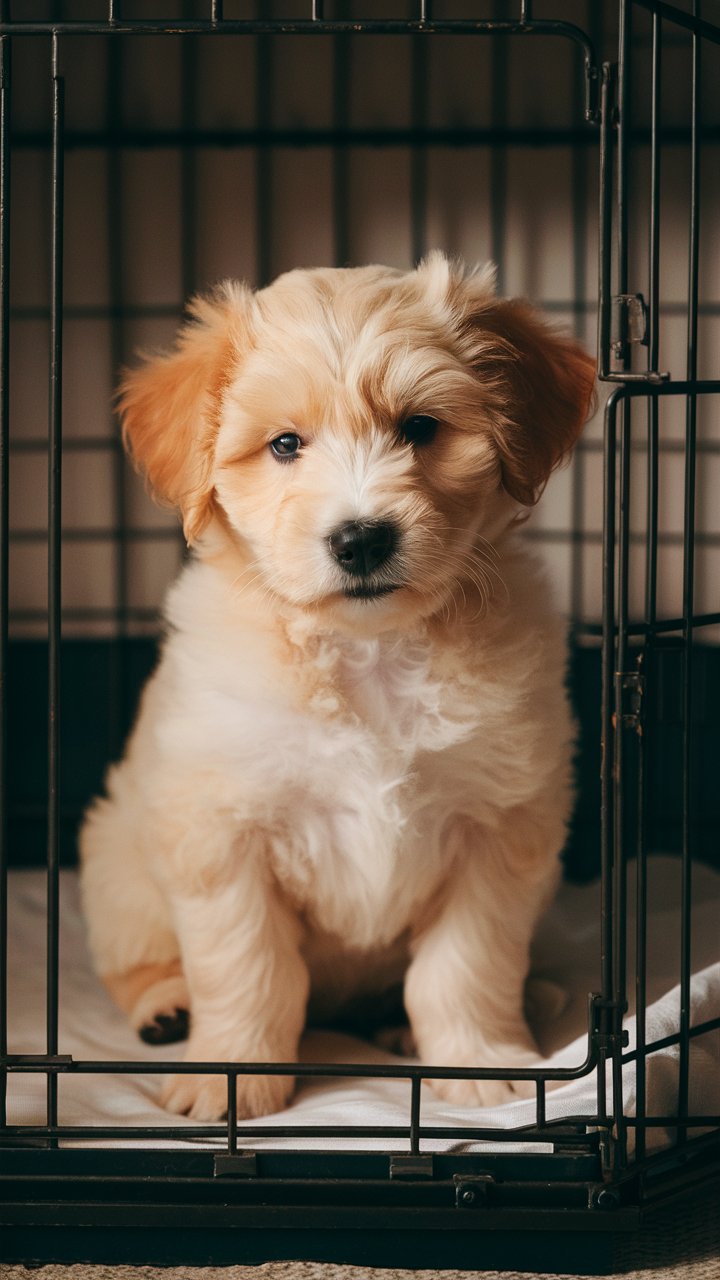
🏠 Setting the Foundation: Crate Training 101
“A crate is not a cage—it’s your dog’s personal bedroom.”
Why it matters: Crate training helps with housebreaking, prevents chewing disasters, and gives your pup a safe space to relax.
Crate Training Tips:
- Keep the crate cozy but not crowded
- Never use it for punishment
- Feed your puppy inside the crate
- Use short sessions at first: 5–10 mins
- Gradually build up to 1–2 hours
- Give a treat or chew toy inside
Note: Puppies under 4 months shouldn’t be crated for more than 3 hours at a time during the day.
🗓️ Puppy Training Schedule (Week-by-Week Breakdown)
Week 8–10: Foundations & First Impressions
Your puppy is a sponge right now—learning fast and forming lifelong habits.
Daily Routine:
- Potty: Every 1–2 hours + after meals/playtime
- Crate Time: 1–2 hours with breaks
- Training: 5 min x 3 times/day
- Socialization: New sounds, textures, people
- Exercise: 15–20 minutes gentle play
What to Teach:
- Name Recognition
- Potty Training Basics
- Intro to Crate
- “Sit”, “Come”, “Leave it”
- Gentle Handling (paws, ears, collar)
🔧 Behavior Fix Tip: If your puppy nips, give a toy instead and say “Ouch!” to simulate littermate feedback.
Week 10–12: Building Confidence
Your puppy is gaining courage—time to channel it constructively.
Routine Adjustments:
- Potty: Every 2–3 hours
- Crate: 2–3 hours per session
- Training: 5–10 min x 2/day
- Socialization: New people, cars, grooming tools
- Exercise: 20–30 minutes
Teach:
- Loose-Leash Walking
- “Stay”, “Down”, “Drop it”
- No Jumping
- Controlled greetings
📌 Breed Note: High-energy breeds (like Huskies or Border Collies) may need more mental stimulation and longer play sessions.
Week 12–16: Distraction Training & Manners
Now that basics are in place, it’s time to challenge focus and build reliability.
Daily Routine:
- Potty: Every 3–4 hours
- Crate: 2–4 hours max
- Training: 10–15 min x 2/day
- Exercise: 30–40 minutes (fetch, tug, walk)
- Socialization: Busy streets, new animals, short car rides
Teach:
- “Stay” with distractions
- “Come” from longer distances
- Impulse Control: Don’t dash out doors
- “Wait” at food bowls
🧠 Expert Tip: Use a clicker or verbal marker (like “Yes!”) for precision timing with rewards.
Week 16–20: The Puppy “Teenage” Phase
This is when behavior can suddenly “regress.” Stay calm and consistent!
Routine:
- Potty: Every 4–5 hours
- Training: 15 min x 1–2/day
- Exercise: 45–60 minutes
- Crate Time: Mostly at night, less during day
Teach:
- Heel walking
- “Place” (go to bed)
- Off-leash Recall (in safe spaces)
- “Quiet” on command
🔧 Behavior Fix Tip: Ignoring recall? Try using a long-line leash outdoors to safely reinforce “Come.”
6 Months & Beyond: Long-Term Success
By now, your puppy should be reliable on basics—but don’t stop training!
Routine:
- Training: 15–20 min, 3x/week
- Exercise: 1+ hour (split into sessions)
- Crate: Optional for rest/safety
Maintain:
- Good leash manners
- Calm behavior in public
- Off-leash control
- Fun tricks & games: Spin, shake, find it
💡 Advanced Fun: Try agility tunnels, scent work, puzzle toys, or consider Canine Good Citizen certification.
🛠️ Common Problems & Fixes
| Problem | Likely Cause | Fix |
|---|---|---|
| Puppy still peeing inside | Not enough potty breaks | Set a timer; reward outside potty with treats |
| Biting hands | Teething or overexcited | Freeze carrots/toys; redirect to chew items |
| Pulling on leash | Overstimulation | Use treats every 2 steps; stop if pulling starts |
| Won’t listen outside | Too many distractions | Go back a step, practice indoors first |
📄 BONUS: Downloadable Puppy Training Toolkit
🎁 Want to print a weekly schedule or track progress?
✅ [Printable Puppy Training Planner (PDF)]
✅ [Puppy Socialization Checklist]
✅ [Daily Potty Log]
✅ [Crate Time Tracker]
Available upon request. Just say “Send me the downloadables” and I’ll provide the printable set.
💬 Final Thoughts: Train with Love & Consistency
Training is not about control—it’s about communication. Expect setbacks, celebrate progress, and above all, enjoy the journey.
With this advanced schedule and tools in hand, you’re not just training a dog—you’re raising a lifelong companion. 🐶❤️