
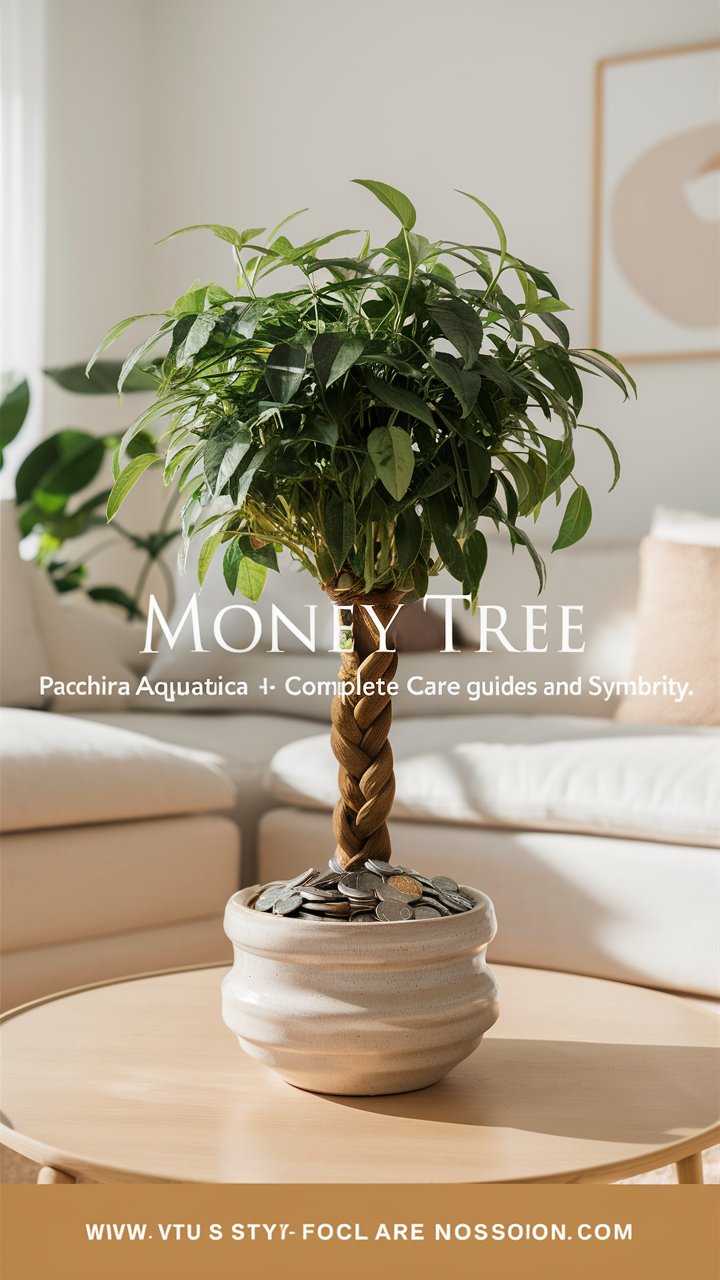
Bringing home a money tree? Smart move! Known for its glossy green leaves, elegant braided trunk, and reputation for attracting prosperity, the Pachira aquatica (aka money tree) is a stunning addition to any indoor plant collection. But it’s more than just a pretty face or feng shui symbol—it’s a living, breathing tropical plant with needs.
Whether you’re a houseplant beginner or a seasoned indoor gardener, this advanced care guide will walk you through exactly how to help your money tree thrive—not just survive.
🌱 What Is a Money Tree (Pachira Aquatica)?
Native to the swamps of Central and South America, Pachira aquatica is a fast-growing tropical tree that has adapted beautifully to life as a houseplant. It gained popularity due to feng shui principles, which associate the plant with wealth, good energy, and balance. Its signature braided trunk is often commercially styled and symbolizes interconnected prosperity.
✅ Bonus: It’s considered non-toxic to cats and dogs by the ASPCA, making it a safer choice for pet-friendly households.
🌤️ Light: Bright, Indirect—and Absolutely Essential
Money trees thrive in bright, indirect light. Think near an east-facing or filtered south-facing window. Direct sunlight can scorch the leaves, while low light leads to leggy, weak growth.
Signs your plant needs more or less light:
- Leggy growth or leaning? → It’s stretching for sun.
- Yellowing leaves or brown spots? → Too much direct light or inconsistent lighting.
💡 Expert Tip: Rotate your plant weekly for even growth. Otherwise, one side may get leggy while the other stays compact.
💧 Watering: Precision Over Routine
Money trees are sensitive to overwatering—root rot is the #1 killer of these plants. Follow this golden rule:
Water only when the top 2 inches of soil are dry.
Use your finger or a moisture meter to test. When watering, thoroughly soak the soil and let it completely drain. Never let it sit in excess water.
🚫 Avoid: Watering on a schedule. Seasonal temperature changes affect how quickly soil dries out.
🌫️ Humidity: Think Tropical, Not Desert
As a swamp native, your money tree craves high humidity. Dry indoor air (especially during winter) can cause leaf curl, browning tips, and stress.
How to increase humidity:
- Mist the leaves every few days.
- Place a humidifier nearby.
- Use a pebble tray filled with water under the pot.
- Cluster with other plants to create a microclimate.
🎍 Advanced Tip: Regular misting also deters spider mites and helps clean dust from leaves.
🪴 Soil & Potting: Drainage is Non-Negotiable
Your plant needs light, well-draining soil. A cactus/succulent mix or a blend of regular houseplant potting soil with added perlite or sand works perfectly.
Pot requirements:
- Must have drainage holes.
- Repot every 2–3 years or when roots begin circling the pot.
🌿 Pro Tip: Terracotta pots are breathable and help prevent overwatering, making them ideal for beginners.
🌻 Feeding: Light but Regular
During the growing season (spring through early fall), feed your money tree once per month with a balanced, diluted liquid fertilizer (like 10-10-10 or 20-20-20).
🚫 Don’t fertilize in winter, when growth naturally slows down.
Over-fertilizing leads to salt buildup, yellowing leaves, and weak growth. Always flush the soil occasionally to remove excess minerals.
🐛 Common Issues (And Fixes)
🍂 Yellow Leaves
- Cause: Overwatering, poor drainage, or insufficient light.
- Fix: Adjust watering frequency, ensure good drainage, and move it to a brighter spot.
🌵 Brown Leaf Tips
- Cause: Low humidity or underwatering.
- Fix: Increase humidity and stay on top of soil moisture.
😴 Drooping or Curling Leaves
- Cause: Stress from overwatering, under-watering, or cold drafts.
- Fix: Stabilize environment and water only when needed.
🕷️ Pests (Spider Mites, Mealybugs)
- Wipe leaves with a damp cloth weekly.
- Treat infestations with neem oil or insecticidal soap.
🧠 Advanced Care Tips for Serious Plant Parents
- Training & Shaping: You can prune to encourage bushier growth or control size. Always cut just above a node.
- Air Circulation: Don’t place your money tree in stagnant corners. Good airflow helps prevent mold and pests.
- Temperature Range: Keep it in the 65°F–80°F (18°C–27°C) range. Sudden drops below 50°F (10°C) will stress the plant.
🎨 Styling Ideas: Make It Part of Your Aesthetic
Money trees are interior-design darlings. Here’s how to style them right:
- Modern Minimalist: White ceramic pot with pebbles on top.
- Boho Chic: Woven basket cover, layered with other greenery.
- Desk Plant: Use a smaller money tree in a sleek planter for workspaces.
🧵 Fun Fact: The braided trunk is purely ornamental—created when the tree is young and pliable. It doesn’t affect health or growth.
🐾 Is the Money Tree Safe for Pets?
Yes! According to the ASPCA, money trees are non-toxic to cats and dogs. That said, avoid letting pets chew on the leaves—excess consumption can cause mild stomach upset.
🧧 Feng Shui & Symbolism
The money tree is a powerful feng shui plant, often placed in the southeast corner of the home or office to invite wealth, prosperity, and positive energy. It’s also a popular gift for housewarmings, weddings, and new businesses.
✅ Quick Troubleshooting Chart
| Symptom | Likely Cause | Solution |
|---|---|---|
| Yellowing Leaves | Overwatering or low light | Improve drainage, move to light |
| Brown Tips | Dry air or salt buildup | Increase humidity, flush soil |
| Drooping Leaves | Water stress or cold drafts | Check watering, move plant |
| Leaf Drop | Sudden environment change | Gradual transitions |
🌟 Final Thoughts: Grow with Confidence
The money tree is the perfect combination of beauty, symbolism, and easy-going nature. With just a bit of attention—adequate light, proper watering, and a humid environment—it will reward you with lush growth and timeless elegance.
And who knows? Maybe it’ll sprinkle some of that good fortune your way, too. 😉