
Meta Description (SEO Short):
Discover everything about the Keeshond dog — their temperament, care tips, exercise needs, and fun facts. Learn why these smiling, fluffy companions are perfect for families! (See all on our blog)
🐕 Introduction: The Smiling Dutch Companion
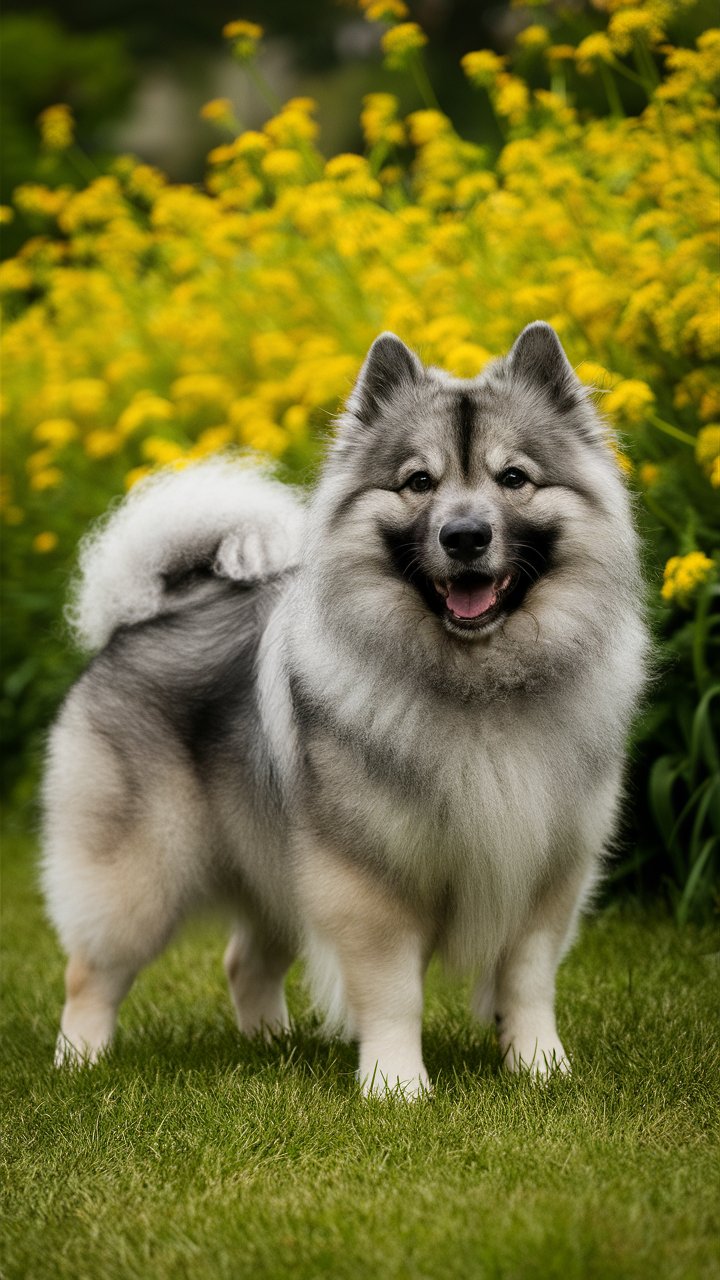
With their fox-like faces, silver coats, and perpetual “smile,” Keeshonds are one of the most affectionate and loyal breeds you’ll ever meet.
Often called The Smiling Dutchman, this intelligent and people-loving dog has a rich history — from guarding canal boats in the Netherlands to cuddling on modern couches worldwide.
But is a Keeshond the right dog for you?
In this complete guide, we’ll uncover fascinating Keeshond facts, FAQs, expert insights, and fun trivia that every future (or current) owner should know.
📜 Quick Facts About Keeshonds
| Trait | Details |
|---|---|
| Origin | Netherlands (18th Century) |
| Breed Type | Spitz-type companion dog |
| Size | Medium (35–45 lbs, 18–20 inches tall) |
| Lifespan | 12–15 years |
| Coat Colors | Silver, gray, black, cream |
| Temperament | Loyal, affectionate, intelligent |
| Exercise Needs | Moderate (30–45 min daily) |
| Good for Families | ✅ Excellent |
| Trainability | Easy, responds well to praise |
| Common Nickname | “Smiling Dutchman” |
🐶 History: Where the Keeshond Began
The Keeshond originated in the Netherlands during the 18th century.
They were bred as barge dogs, living aboard Dutch canal boats where they served as watchdogs and companions.
Their name comes from “Kees de Gyselaer,” a Dutch patriot who owned one during a political revolution — turning the dog into a symbol of loyalty and resistance.
Today, their legacy lives on not just as loyal watchdogs, but as symbols of warmth, affection, and family harmony.
💖 Temperament & Personality
Keeshonds are known for being the ultimate family companions.
They adore human interaction and thrive when surrounded by love and attention.
🧠 Personality Snapshot:
- Extremely affectionate and loyal.
- Great with kids and seniors.
- Friendly even with strangers.
- Highly intelligent and eager to learn.
- Sensitive to tone — responds best to gentle, positive training.
They’re not just pets — they’re emotionally intelligent friends who can sense their owner’s moods.
🏡 Ideal Homes & Owners
Keeshonds adapt beautifully to apartment life or suburban homes — as long as they get enough activity and social time.
🏠 Best for:
- Families with kids
- First-time dog owners
- People who work from home
- Those seeking a loyal, affectionate companion
⚠️ Not ideal for:
- People away from home for long hours
- Those wanting a low-maintenance or independent dog
They crave companionship, so leaving them alone too long can lead to separation anxiety.
⚽ Exercise & Activity Needs
Despite their fluffy coats and calm look, Keeshonds are energetic and playful.
- Daily Exercise: 30–45 minutes (walks, fetch, or mental games)
- Favorite Activities: Short runs, agility, and puzzle toys
- Caution: Avoid long runs in hot weather — their dense coat makes them prone to overheating.
💡 Pro Tip: A tired Keeshond is a happy, well-behaved Keeshond!
🧴 Grooming & Coat Care
That beautiful double coat needs love!
- Brushing: 2–3 times a week (daily during shedding season)
- Bathing: Every 4–6 weeks
- Shedding: Moderate, but heavier in spring & fall
🪶 Expert Tip: Use a slicker brush and undercoat rake to prevent mats — especially behind the ears and under the tail.
🍖 Diet & Nutrition
Feed your Keeshond a balanced diet rich in protein, omega fatty acids, and fiber to maintain coat health and muscle tone.
- Portion Size: 1.5–2.5 cups of premium dry food daily (split meals)
- Avoid: Processed foods, excess treats, or table scraps
- Recommended Supplements: Fish oil for coat health, glucosamine for joints.
🧬 Health & Lifespan
Keeshonds are a generally healthy breed, but like all dogs, they have a few hereditary risks:
Common Health Issues:
- Hip Dysplasia
- Epilepsy
- Hypothyroidism
- Von Willebrand’s Disease
With regular vet visits, proper diet, and exercise, these dogs can live 12–15 happy years.
🎓 Intelligence & Trainability
Keeshonds rank 18th in intelligence (Stanley Coren’s list).
They learn commands quickly — often in just a few repetitions.
Training Tips:
- Use positive reinforcement and rewards.
- Avoid harsh tones; they’re sensitive and may shut down emotionally.
- Keep training sessions short and playful.
💬 Fun fact: They can learn tricks like “spin,” “wave,” and even “smile” on command!
🐾 Social Compatibility
Keeshonds are incredibly social and get along with:
- Kids 👶
- Cats 🐱
- Other dogs 🐕
They rarely show aggression and prefer peace over dominance.
However, proper introductions are always key when adding new pets to the family.
📸 Fun Facts About Keeshonds
✨ 1. “The Smiling Dutchman” nickname comes from their cheerful expression.
✨ 2. Once the mascot of a Dutch political party!
✨ 3. Their thick coat makes them look larger than they really are.
✨ 4. They’re natural comedians — love entertaining their owners.
✨ 5. Famous for “Velcro dog” behavior — they follow you everywhere!
🧭 Is a Keeshond Right for You?
You’ll love a Keeshond if you want a dog that’s:
- Affectionate and loyal
- Playful but gentle
- Smart and easy to train
- Great for families and first-time owners
But if you’re looking for a guard dog or a low-maintenance pet, this isn’t your match.
🐕 Final Thoughts
The Keeshond is a beautiful balance of brains, loyalty, and joy.
Their loving personality, fluffy coat, and smiling face make them one of the most heartwarming breeds to own.
If you can give them time, attention, and exercise, they’ll repay you with endless love and smiles.
(See more expert guides on our blog 🐾)