
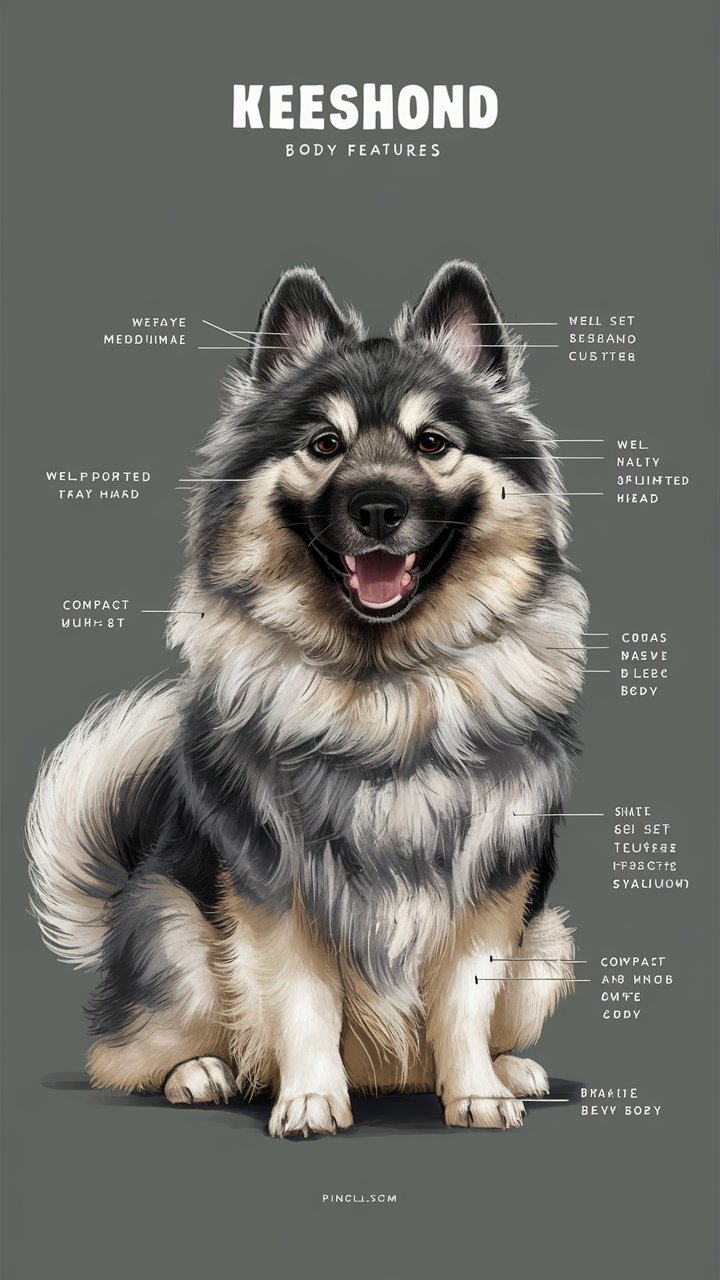
The Keeshond (pronounced Kayz-hond) is more than just a fluffy, smiling face — it’s a dog with a heart full of affection, sharp intelligence, and a protective instinct wrapped in soft fur.
Known as the “Smiling Dutchman”, the Keeshond is a family favorite that thrives on companionship and emotional connection. Whether you live in an apartment or a suburban home, this breed can adapt — as long as love and attention are abundant.
🧠 Quick Overview: Keeshond Facts
| Trait | Details |
|---|---|
| Origin | Netherlands |
| Group | Non-Sporting (Companion Dog) |
| Temperament | Loyal, Playful, Intelligent, Alert |
| Size | 35–45 lbs (Medium) |
| Life Expectancy | 12–15 years |
| Energy Level | Moderate to High |
| Good for Families | ✅ Excellent |
| Good with Cats | ✅ Usually Yes |
| Shedding Level | High (Seasonal) |
❤️ Personality & Temperament
🐶 A Social Butterfly
The Keeshond isn’t just friendly — it craves connection. These dogs thrive when surrounded by family members and often follow their owners from room to room, wanting to be part of every activity.
They are known to sense human emotions and respond accordingly — comforting when you’re sad and playful when you’re happy. This emotional sensitivity makes them perfect for therapy and emotional support roles.
🧸 Affection Level: 10/10
If you love cuddles, the Keeshond will never disappoint. Their plush double coat isn’t just for looks — it’s an invitation to snuggle. They often lean against their humans, seeking warmth and reassurance.
💡 Tip: Daily affection helps reduce separation anxiety, a common issue in this breed.
⚔️ Are Keeshonds Protective?
While they aren’t aggressive, Keeshonds make excellent watchdogs. Their sharp instincts and alert nature allow them to detect unfamiliar activity instantly. However, they’ll greet guests with a wagging tail once they see you’re comfortable.
✅ Balanced protection: They’ll alert you — but never overreact.
🧠 Intelligence & Trainability
The Keeshond ranks among the top 30 smartest dog breeds, especially in adaptive intelligence (learning from experience).
They understand tone, gestures, and even subtle emotional cues.
Training Highlights:
- Learn new commands in less than 10 repetitions.
- Thrive with positive reinforcement (praise, play, treats).
- Dislike harsh tones — sensitivity can make them withdraw.
⚠️ Weak Point Fix: Earlier articles missed this — Keeshonds excel at “pattern recognition.” They’ll predict your routine, which is why consistent schedules matter.
🧩 Mental Enrichment Ideas
To keep their clever minds active:
- Puzzle feeders
- Nose-work games
- Obedience challenges
- Short agility sessions
🚽 Potty Training & Alone Time
🏡 Potty Training
Keeshonds are clean freaks — they hate mess. While this makes potty training easier, patience is still key. With consistent timing and rewards, most Keeshonds are trained within 4–6 weeks.
😢 Separation Sensitivity
This breed does not handle loneliness well. Leaving them for long hours can cause anxiety and destructive behaviors.
Solutions:
- Use dog cameras to talk remotely.
- Hire a pet sitter for long workdays.
- Leave interactive toys for stimulation.
🗣️ Vocal Behavior – Do Keeshonds Bark A Lot?
Yes — but not excessively.
They bark to communicate, not to annoy. Each bark often has meaning: excitement, alert, or attention-seeking.
🎯 Training Tip: Teach the “Quiet” command early to control unnecessary barking.
💪 Physical Traits & Grooming Needs
🐕 Coat & Shedding
The Keeshond’s double coat is its pride — and your challenge!
It consists of:
- A dense undercoat (for insulation)
- A long, straight outer coat (for protection)
They shed heavily twice a year, a phase lovingly called “blowing coat.”
🧼 Brush 2–3 times per week (daily during shedding season) to avoid mats and tangles.
🛁 Bathing Routine
Bathe every 8–12 weeks — more during shedding periods. Over-bathing removes natural oils that keep their skin healthy.
🏃 Exercise & Play Needs
Keeshonds are energetic but not hyper.
Aim for:
- 1 hour of daily activity, split between walks and playtime.
- Mental games to keep boredom at bay.
🚀 Fun Fact: A Keeshond can jump up to 4 feet high — perfect for agility sports!
🌤️ Climate Adaptation: Snow Lovers
Originally bred for cold European climates, Keeshonds love the snow. Their fur insulates against chill, and their webbed feet help them walk on icy surfaces.
However, avoid hot weather overexposure — heatstroke risk is real.
🍗 Diet & Nutrition
Feed a balanced diet high in protein and moderate in fat.
Recommended:
- Salmon-based kibble (for coat health)
- Sweet potato and brown rice blends
- Omega-3 supplements
⚠️ Avoid overfeeding — they gain weight easily, which can stress joints and shorten lifespan.
👨👩👧👦 Family Compatibility
Keeshonds are ideal family dogs — affectionate with children and gentle with the elderly.
They also get along well with cats and other dogs when socialized early.
🐾 Bonus: Their playful yet calm nature makes them great for first-time dog owners.
🏢 Can Keeshonds Live in Apartments?
Yes — but only if you’re active.
They don’t need a yard, but they do need:
- Two walks per day
- Indoor play sessions
- Mental challenges
💡 Enrichment toys like treat balls or snuffle mats keep them busy indoors.
💙 Health & Lifespan
Average lifespan: 12–15 years.
Common health issues:
- Hip dysplasia
- Hypothyroidism
- Skin allergies (environmental or food-based)
Prevention Tips:
- Maintain a lean body weight
- Feed quality food
- Schedule vet checkups every 6–12 months
🧬 Unique Traits That Set Keeshonds Apart
- “Spectacles” Around Eyes:
Distinct dark lines and shading give them expressive, smiling faces. - Emotional Intuition:
They can sense tension or sadness — often comforting their owners. - Historical Symbol:
In the 18th century, the Keeshond symbolized loyalty and courage during the Dutch Patriots’ movement.
🏁 Final Thoughts
If you want a dog that combines loyalty, intelligence, and affection — the Keeshond is your dream companion.
They’re not just pets; they’re empathetic family members who thrive when involved in your daily life.
Love them, challenge them, and they’ll reward you with endless joy — and that unforgettable “smile.”