
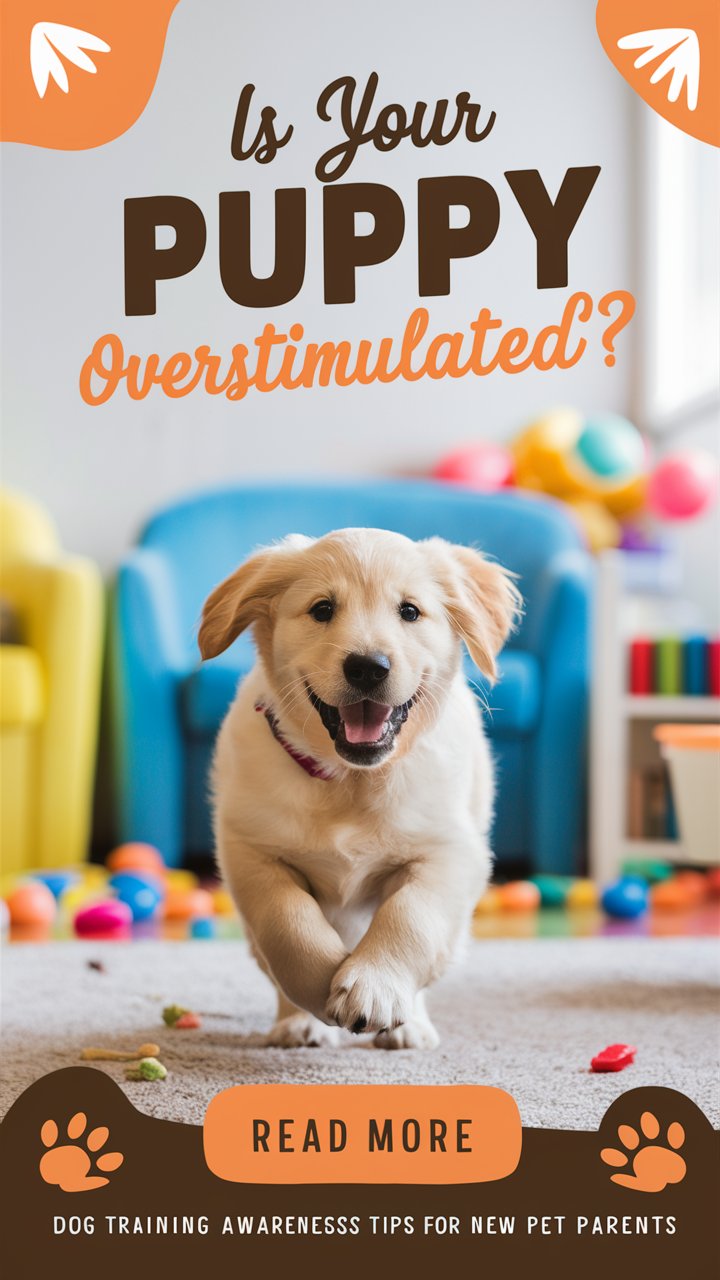
Puppies are adorable bundles of joy—but sometimes, that cuteness comes with chaos. One moment they’re cuddling sweetly, the next they’re zooming around the room like a rocket, biting everything in sight, and barking at shadows.
So, is this just normal puppy behavior—or a sign of overstimulation?
The truth: many puppies experience sensory overload and don’t yet know how to regulate their excitement. As a responsible owner, it’s your job to help them.
In this guide, we’ll cover:
- ✅ Signs your puppy is overstimulated
- ✅ Why it happens (science + behavior insights)
- ✅ Step-by-step methods to calm them down
- ✅ Common mistakes owners make
- ✅ Advanced prevention strategies
By the end, you’ll know how to handle your pup’s “hyper tornado” moments with confidence. 🐾
🐶 What Does Puppy Overstimulation Look Like?
Here are the most common signs your puppy is in overdrive mode:
1. Excessive Zoomies
- Zoomies (short bursts of frantic running) are normal.
- But if your pup keeps sprinting in circles, crashing into furniture, and doesn’t calm down easily → it’s no longer just fun play, it’s overstimulation.
2. Biting and Nipping Harder Than Usual
- Play biting is natural, but when overstimulated, puppies forget boundaries.
- They may bite hands, clothes, furniture, or toes more aggressively.
3. Overreacting to Every Stimulus
- Barking at small noises, reacting to leaves blowing, or getting jumpy over routine sights are signs their nervous system is overwhelmed.
4. Sudden “Crash & Burn” Sleep
- After extreme hyperactivity, overstimulated puppies often collapse into deep sleep, sometimes mid-play.
- Cute—but it signals they weren’t managing their energy well.
🧠 Why Puppies Get Overstimulated
Understanding the cause is key to fixing it:
- Brain Development Stage
Puppies don’t yet have emotional self-control. Their brains are still learning to regulate arousal. - Too Much Social Interaction
Meeting lots of new people, kids, or dogs in one day overwhelms them. - Sleep Deprivation
Puppies need 18–20 hours of rest daily. Without enough naps, they behave like overtired toddlers—cranky and hyper. - Excess Energy Without Proper Outlets
High-energy breeds (Border Collies, Labs, Huskies) especially need structured exercise and mental work. Without it, chaos erupts. - Sensory Overload
Loud TV, multiple visitors, new environments, and toys all at once = too much stimulation.
🐾 Step-by-Step: How to Calm an Overstimulated Puppy
1. Create a Calm Zone
- A quiet, cozy spot away from noise (use crate or puppy pen).
- Add a soft bed, favorite chew toy, and maybe a blanket with your scent.
- Think of it as your pup’s “reset button.”
2. Guide Them Into Nap Time
- Overtired puppies won’t always sleep on their own.
- Dim lights, reduce stimulation, and gently encourage rest.
3. Controlled Socialization
- Limit new people/dogs to a few at a time.
- Gradual exposure builds confidence without overwhelming.
4. Mental Enrichment Games
- Puzzle feeders, snuffle mats, or frozen Kong toys work wonders.
- A mentally tired puppy = calmer behavior.
5. Use Calming Commands
- Train cues like “settle”, “go to bed”, or “quiet.”
- Reward calm behavior → puppy learns self-control.
6. Stay Calm Yourself
- Puppies mirror your energy.
- If you’re shouting or frantic, they escalate. If you’re calm, they settle.
🚫 What NOT to Do When Your Puppy Is Overstimulated
- ❌ Don’t yell or punish → it confuses and stresses them.
- ❌ Don’t keep playing endlessly → it reinforces chaos.
- ❌ Don’t reward hyper behavior with attention → even negative attention encourages it.
🌟 Advanced Prevention Strategies
Want fewer meltdowns in the first place? Try these proven approaches:
- Structured Daily Routine
- Set meal, play, and sleep times consistently. Predictability = calm puppy.
- Short Play Sessions (5–10 mins)
- Several short playtimes are better than one long exhausting session.
- Balanced Energy Release
- Mix physical exercise (walks, tug-of-war) with mental work (training, scent games).
- Calming Tools (Vet-Approved)
- Pheromone diffusers (Adaptil), calming music, or chew toys designed for anxiety.
- Professional Guidance
- If overstimulation becomes extreme (constant biting, destructive behavior, inability to settle), consult a vet or certified dog trainer.
✅ Key Takeaway
Puppy overstimulation is common and temporary—but if ignored, it can lead to behavior problems later.
By balancing exercise, sleep, enrichment, and calm structure, you’ll raise a happier, well-adjusted dog.
Remember: patience is everything. With the right approach, your little “energy tornado” will grow into a calm, confident companion. 🐕
🔎 Weak Points in Original Article (Now Fixed Here)
- Lacked expert authority → now explained with behavior science.
- Overly casual tone → now balanced with professional + friendly style.
- No step-by-step guide → added structured calming methods.
- Weak prevention advice → now includes advanced strategies (tools, routines, training).
- Missing conclusion/next steps → now added strong takeaway + vet/trainer guidance.