
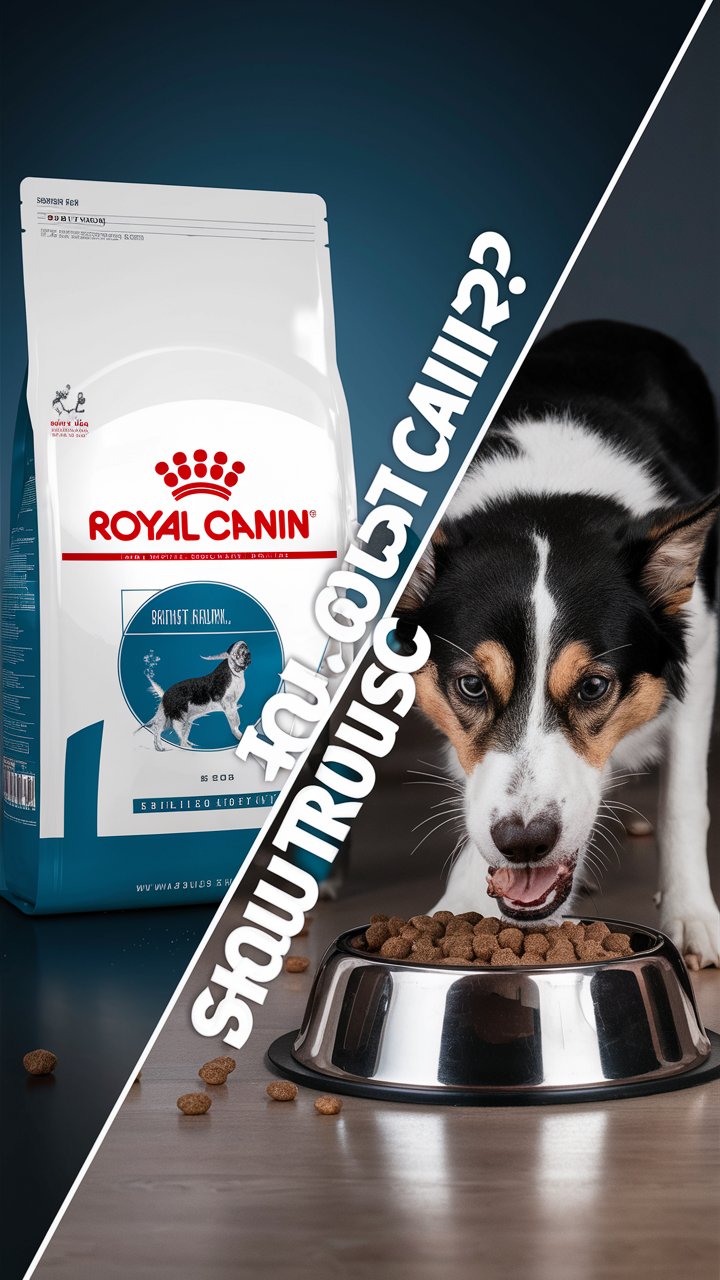
Choosing the right food for your dog isn’t easy.
With hundreds of brands on the market — all claiming to be “healthy”, “premium”, “vet-approved” — it can quickly get confusing.
But if there’s one name that always comes up in vet clinics and pet stores…it’s Royal Canin.
💡 Fun fact: Over 29% of veterinary clinics in the U.S. recommend Royal Canin as their first-choice prescription diet.
So, is this brand genuinely backed by science… or is it just clever marketing wrapped in an expensive price tag?
Let’s take an honest, research-based look — so you can decide whether Royal Canin is really right for your dog.
🐶 What Is Royal Canin (and Why Is It So Popular)?
Royal Canin was created by a French veterinarian in 1968. Since the beginning, their mission has focused on science-based nutrition rather than trendy diet fads.
They now produce:
- Life-stage formulas (puppy → senior)
- Breed-specific recipes (Labrador, Poodle, GSD, Chihuahua, etc.)
- Veterinary diets for dogs with kidney disease, food allergies, heart conditions, weight issues, etc.
It’s basically the “go-to” brand for dogs with special dietary needs.
⚖️ Quick Look: Pros & Cons of Royal Canin
| ✅ Pros | ❌ Cons |
|---|---|
| Vet-recommended and research-based | More expensive than most foods |
| Breed- and condition-specific formulas | Uses grains and by-products |
| Highly palatable (even for picky eaters) | No grain-free or raw options |
| Backed by veterinarians and nutritionists | Limited variety of protein sources |
🔬 What’s Actually in Royal Canin? (Ingredient Breakdown)
Common Core Ingredients
- Chicken by-product meal – concentrated source of protein (not harmful, but not “premium” meat either)
- Corn & wheat – provide energy and fiber, though not ideal for dogs with grain sensitivities
- Animal fats & fish oil – supply essential fatty acids for skin and coat health
Fortified Additives
✔ Omega-3 and Omega-6 fatty acids
✔ Taurine (heart health)
✔ Glucosamine and chondroitin (joint support)
✔ Vitamin A, D, E, B12, riboflavin, folic acid
👉 Bottom line: Formulated to meet nutritional needs, but not “clean/whole food” like boutique brands.
🧪 What Makes Royal Canin Different?
1️⃣ Tailored Nutrition
One of the only brands that offers breed-specific kibble.
For example, their Labrador formula is lower in fat (to prevent obesity), while the German Shepherd formula includes extra fiber to support sensitive digestion.
2️⃣ Evidence-Based Formulation
Every diet is developed with veterinarians, researchers, and veterinary nutritionists — and clinically tested.
They focus on results, not trends.
3️⃣ Dogs Love the Taste
Because the recipes are highly palatable, even fussy eaters often accept Royal Canin more easily than other brands.
🆚 How Does Royal Canin Compare to Other Brands?
| Brand | Main Focus | Price | Uses Grain? | Vet-Prescribed Diets |
|---|---|---|---|---|
| Royal Canin | Science & breed-specific | $$$ | Yes | ✅ Yes |
| Hill’s Science Diet | Clinical & prescription | $$ | Yes | ✅ Yes |
| Orijen | High-protein whole foods | $$$ | No (grain-free) | ❌ No |
| Blue Buffalo | Natural ingredients | $$ | Both | ❌ No |
👉 Key takeaway: Royal Canin isn’t trend-driven; it’s designed for reliability, clinical results, and specific health needs.
❓Is It a Good Choice for Your Dog?
| Situation | Royal Canin? |
|---|---|
| Has allergies / stomach issues | ✅ Try veterinary formulas |
| Breed with common health risks | ✅ Use breed-specific line |
| Picky eater | ✅ Highly palatable |
| You prefer grain-free / natural | ❌ Choose holistic brands instead |
| Limited budget | ❌ Might be too expensive long-term |
🔧 Tips Before Switching to Royal Canin
✔ Talk to Your Vet – Some formulas are prescription-only
✔ Read the Label – Check protein source and guaranteed analysis
✔ Transition Slowly – Mix old and new food over 7–10 days
✔ Watch Your Dog – Monitor coat, stools, energy, skin condition
🙋 FAQ: Dog Owners Ask
Q1. Is Royal Canin good for sensitive stomachs?
Yes — especially formulas like Gastrointestinal Low Fat or Hydrolyzed Protein, designed specifically for digestive issues.
Q2. Why is it so expensive compared to other brands?
Research-based development, clinical testing, and veterinary partnerships raise production costs — which results in higher pricing.
Q3. Does it have any recalls?
Royal Canin has had very few recalls, and always voluntary. Overall, its safety history is strong compared to many brands.
Q4. Is Royal Canin grain-free?
No — almost all Royal Canin recipes use grains as part of the formulation. They do not focus on grain-free products.
✅ Final Verdict: Is It Worth It?
If you want research-backed nutrition, breed- or condition-specific recipes, and a diet that is widely trusted by veterinarians — Royal Canin is 100% worth considering.
However…
If you’re looking for grain-free, holistic, or organic ingredients, you may prefer a different brand like Orijen, Acana, or Wellness.
💬 Our recommendation:
Choose Royal Canin if your dog has specific needs (breed, health condition, weight issues) — or if your vet has recommended it.
For otherwise healthy dogs and owners focused on natural diets, a high-quality whole-food option can also work very well.