
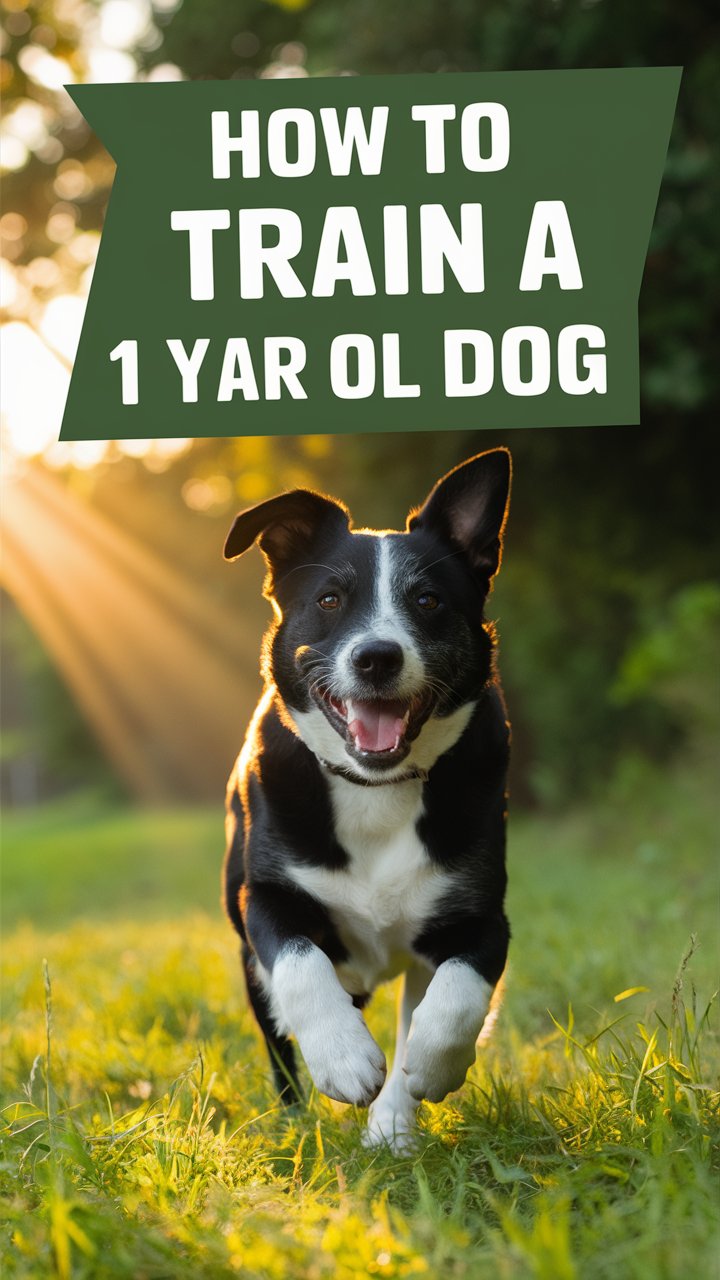
So, your puppy survived the baby stage and is now a 1-year-old “teenager dog.” 🎉 Congratulations—you’ve officially entered the dog teenage years: high energy, stubborn attitude, and endless curiosity.
This stage can feel overwhelming. Some days, your dog seems like a genius; other days, you wonder if they’ve forgotten every single command. But here’s the good news: with the right training strategies, patience, and a touch of humor, you can turn this chaos into confidence—for both of you.
Let’s dive into the most effective (and sanity-saving) ways to train your 1-year-old dog.
1. Understand the “Teenage Dog” Phase
At this age, your dog is:
- More confident than a puppy but still testing limits.
- Full of energy (physical AND mental).
- Easily distracted and sometimes “selectively deaf.”
Think of them like a teenager: they know the rules, but they’ll test boundaries just to see what happens. Your job? Stay calm, consistent, and positive.
🔑 Pro Insight: Studies show dogs respond 5x faster to positive reinforcement than punishment. Praise + reward = faster learning.
2. Master (and Refresh) the Basics
Even if your dog learned commands as a pup, reinforcement is key. Focus on:
- Sit → builds impulse control.
- Stay → prevents chaos in public spaces.
- Come → lifesaving recall.
- Leave it → protects them from eating dangerous stuff.
Training Tips:
- Keep sessions short (5–10 minutes).
- Use high-value rewards (chicken, cheese, or store-bought training treats).
- Always end on success so your dog feels accomplished.
3. Leash Training That Actually Works
If your 1-year-old thinks “walk” means “drag human across the neighborhood,” you’re not alone.
Step-by-Step Fix:
- Start in a low-distraction area (backyard, quiet street).
- Reward every time your dog walks next to you.
- If they pull → stop walking. Stand still like a tree until they return.
- Resume walking once they’re calm.
⚡ Gear Upgrade:
- Use a front-clip harness to discourage pulling.
- Skip retractable leashes—they cause more problems than they solve.
👉 Recommended: Check out these top-rated no-pull leashes & harnesses (handpicked for comfort and safety).
4. Stop Bad Habits Before They Stick
At this age, problem behaviors often peak:
- Jumping on guests
- Chewing shoes or furniture
- Barking at every squirrel
How to Fix:
- Redirect, don’t punish → swap shoes for a chew toy, then reward.
- Stay calm → yelling makes things worse.
- Consistency matters → if one family member lets them jump but another scolds, your dog will never understand.
5. Socialization Isn’t Over Yet
Many owners stop socialization after puppyhood—but at 1 year old, it’s still critical.
- Expose them to new environments (parks, markets, dog-friendly cafes).
- Arrange playdates with well-mannered dogs.
- Watch body language → tail tucked or ears back = slow down.
💡 Pro Insight: Dogs that stay socialized beyond puppyhood show 40% less anxiety in adulthood.
6. Mental Stimulation: The Secret to a Calm Dog
A tired dog isn’t just physically tired—it’s mentally satisfied. Brain work often exhausts dogs faster than running.
Ideas That Work:
- Puzzle toys & snuffle mats
- Hide-and-seek with treats
- Teaching fun tricks (spin, roll over, “high five”)
- Scent games (let them find hidden toys with smell)
👉 See our top picks for best puzzle toys for 1-year-old dogs.
7. Be Consistent (The Golden Rule)
Dogs thrive on routine. Mixed signals confuse them.
- Set house rules → couch, bed, or no furniture? Decide and stick with it.
- Involve the family → everyone should follow the same rules.
- Create a routine → meals, walks, training, and playtime at regular times build trust and security.
8. Patience Over Perfection
Training takes time. Celebrate small wins:
- First successful walk without pulling.
- Sitting on command without a treat.
- Staying calm when a guest enters.
🎯 Mindset Shift: Training isn’t about creating a “perfect” dog—it’s about creating a happy, confident bond between you and your pup.
And if you feel overwhelmed? Take a break. Training should feel fun, not frustrating.
Bonus: Common Mistakes to Avoid 🚫
- Skipping daily training → even 5 minutes matters.
- Using punishment instead of redirection.
- Inconsistent family rules.
- Expecting instant results.
Final Thoughts: You’ve Got This 🐾
Training a 1-year-old dog is a rollercoaster—but every small effort pays off. Stay patient, be consistent, and lean into positive reinforcement. Before you know it, you’ll have a well-mannered companion who’s as fun to train as they are to love.