
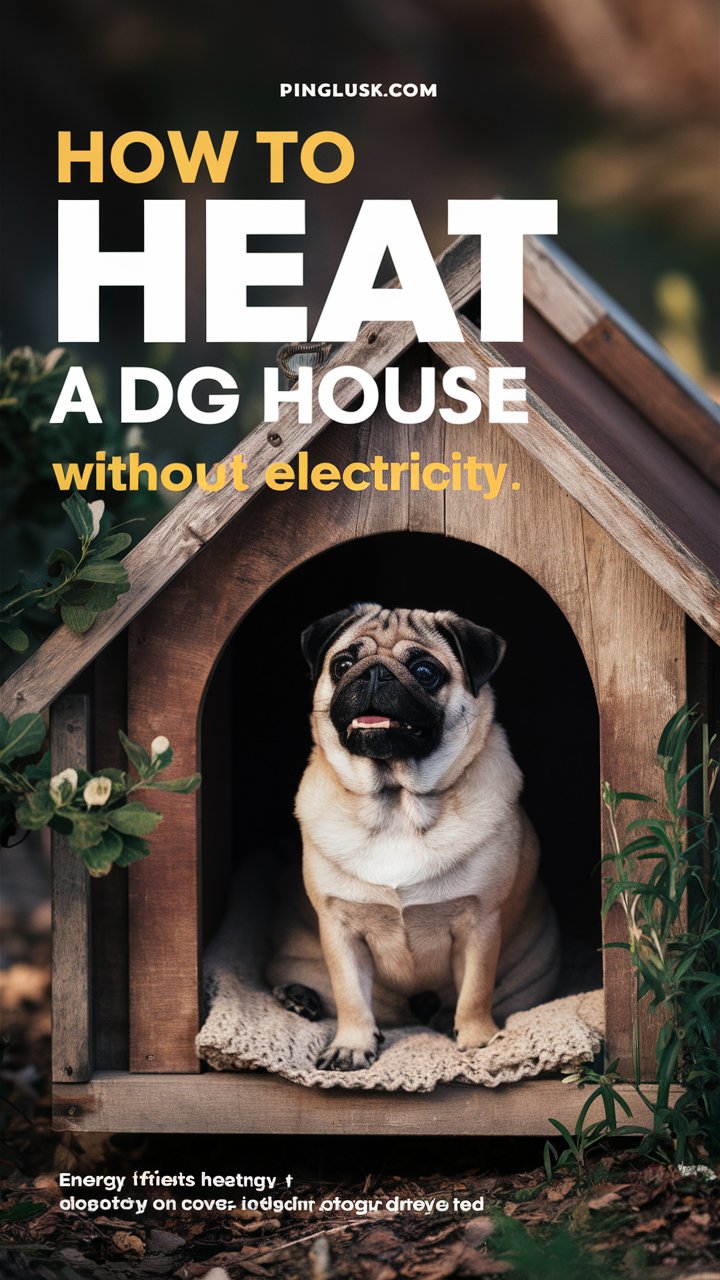
When winter hits hard and the temperatures start dropping, your dog’s cozy little house can turn into an icy cave — unless you prepare ahead.
If you’ve ever wondered how to heat a dog house without electricity, you’re not alone. Many dog parents want to keep their furry friends warm without running power cables across the yard or spending a fortune on electric heating.
The good news?
You can keep your dog’s house toasty warm using safe, simple, and affordable tricks — no electricity required.
This complete guide shares 9 proven, vet-approved ways to warm your dog’s house naturally, plus extra tips to make it winter-ready, safe, and snug all season long.
🐾 Why It’s Important to Keep a Dog House Warm
Even though dogs have fur, cold exposure can be dangerous — especially for small, short-haired, or senior dogs.
Hypothermia, frostbite, and arthritis flare-ups are common in freezing weather.
“If the temperature drops below 45°F (7°C), smaller breeds and older dogs should have extra warmth and insulation,”
— Dr. Kelly Morgan, DVM, Chicago Pet Wellness Clinic
A warm dog house isn’t just about comfort — it’s about health, safety, and peace of mind.
🏡 9 Ways to Heat a Dog House Without Electricity
Let’s explore the smartest, safest, and most effective methods — tested and loved by dog owners and approved by vets.
1. Use Insulated, Warm Bedding
Your dog’s bedding is their first line of defense against the cold. Use high-quality insulation materials like:
- Memory foam or orthopedic dog beds
- Fleece blankets or sleeping bags
- Straw alternatives such as cedar or pine shavings (natural pest repellent)
🧡 Pro Tip: Avoid regular straw or hay — they attract bugs and hold moisture.
Add an extra layer of thermal blanket underneath for better heat retention.
2. Insulate the Dog House Walls and Roof
Think of this like giving your dog’s home a cozy winter jacket.
Line the interior with:
- Foam insulation boards
- Reflective bubble wrap
- Fiberglass panels (covered safely with plywood)
Seal any cracks or gaps where wind might enter. This helps trap body heat and keeps the cold out.
💡 Quick Fix: Use a thick outdoor rug or carpet along the walls and floor for quick DIY insulation.
3. Add a Doggy Door or Vinyl Flap
A simple vinyl door flap can make a huge difference by blocking wind and trapping heat.
Choose a flexible, heavy-duty flap that’s easy for your dog to push open.
If your dog house faces north or gets strong winds, this one step can increase the internal temperature by several degrees.
4. Raise the Dog House Off the Ground
Cold ground = heat loss.
Raise the dog house 4–6 inches using bricks, pallets, or a wooden platform to prevent contact with the frozen earth.
You can also place rubber mats or straw underneath for an added barrier.
🐕🦺 Bonus: Elevating the house also protects against rainwater, mud, and pests.
5. Choose the Right Location
Where you place the dog house matters more than most people think.
✅ Place it:
- In a sunny area to capture natural warmth
- Away from cold winds or open spaces
- Near a building wall (your home radiates heat)
🎨 Paint it a dark color (black or deep brown) to help absorb more heat from sunlight.
6. Use Heat-Retaining Accessories
These DIY heating tricks are simple yet effective:
- Fill a plastic bottle with warm (not boiling) water, wrap it in a sock, and place it in your dog’s bed.
- Or, microwave a rice-filled sock and use it as a natural heating pad.
These work for several hours and can be refreshed nightly. They’re safe, cost-effective, and toxin-free.
7. Stuff the Interior with Padding
Blankets, cushions, or even old sleeping bags work wonders.
Just make sure there’s enough room for your dog to move comfortably.
🧺 Avoid overstuffing — you want warmth, not suffocation or moisture buildup.
8. Try Solar Power for Eco-Friendly Heat
Solar energy is a powerful, electricity-free solution.
Install a small solar panel kit to run:
- A heating mat
- A low-voltage fan to circulate warm air
- Or a solar air heater panel
Even a simple DIY greenhouse effect (using clear plastic sheets around the dog house) can trap daytime heat and release it slowly overnight.
🌞 Best for areas with steady sunlight, not cloudy or snow-heavy regions.
9. Upgrade to a Thermal Dog House
If your current dog house is thin or cracked, consider upgrading to an insulated thermal dog house.
Look for features like:
- Double walls with foam insulation
- Raised flooring
- Sloped roof for drainage
- Removable panels for cleaning
These are pricier but offer year-round comfort — and you’ll save on heating costs long-term.
❄️ Extra Tips for Keeping a Dog House Warm in Winter
Weatherproof the Outside
- Wrap with tarp, plastic sheeting, or “house wrap” to block wind and moisture.
- Use sealing tape or staples for a snug fit.
- Remove in spring to prevent mold buildup.
Rotate Bedding Weekly
Moist bedding = lost heat. Wash or replace it weekly, and keep it dry at all times.
Add Reflective Surfaces
Place foil panels or a Mylar emergency blanket on the ceiling to reflect your dog’s body heat back down.
Clothe Your Dog (If Needed)
Small, short-haired, or older dogs may benefit from a thermal dog jacket or sweater.
⚠️ 5 Things to Avoid When Heating a Dog House
🚫 1. Straw Bedding – attracts fleas and molds easily
🚫 2. Gas Heaters – fire hazard and toxic fumes
🚫 3. Battery Heaters – inconsistent and unsafe if chewed
🚫 4. Infrared Bulbs – burn risk if touched
🚫 5. Electric Blankets – never safe unsupervised
Stick to natural and insulated solutions. Safety > shortcuts.
🌡️ What Temperature Should a Dog House Be?
The ideal temperature inside a dog house should be between 68°F and 75°F (20°C to 24°C).
Larger, thick-coated breeds (like Huskies) can tolerate cooler temps, while smaller or short-haired dogs (like Chihuahuas) need more warmth.
📏 How to Check the Temperature
Use an indoor-outdoor digital thermometer with a wireless sensor inside the dog house.
It gives you peace of mind knowing your pup’s comfort level without constantly checking.
👉 Try models like the SMARTRO SC92, which are affordable and reliable.
❤️ Final Thoughts: Warmth Is an Act of Love
Your dog gives you endless loyalty — the least we can do is give them a warm, safe place to rest.
You don’t need electricity to do that.
With the right insulation, materials, and a few clever tricks, your dog’s winter retreat can be as cozy as your living room.
Because a warm dog house = a happy, healthy dog. 🐶💤