
Introduction
Have you ever stumbled upon a dog that looks so unique it makes you question if it’s even real?
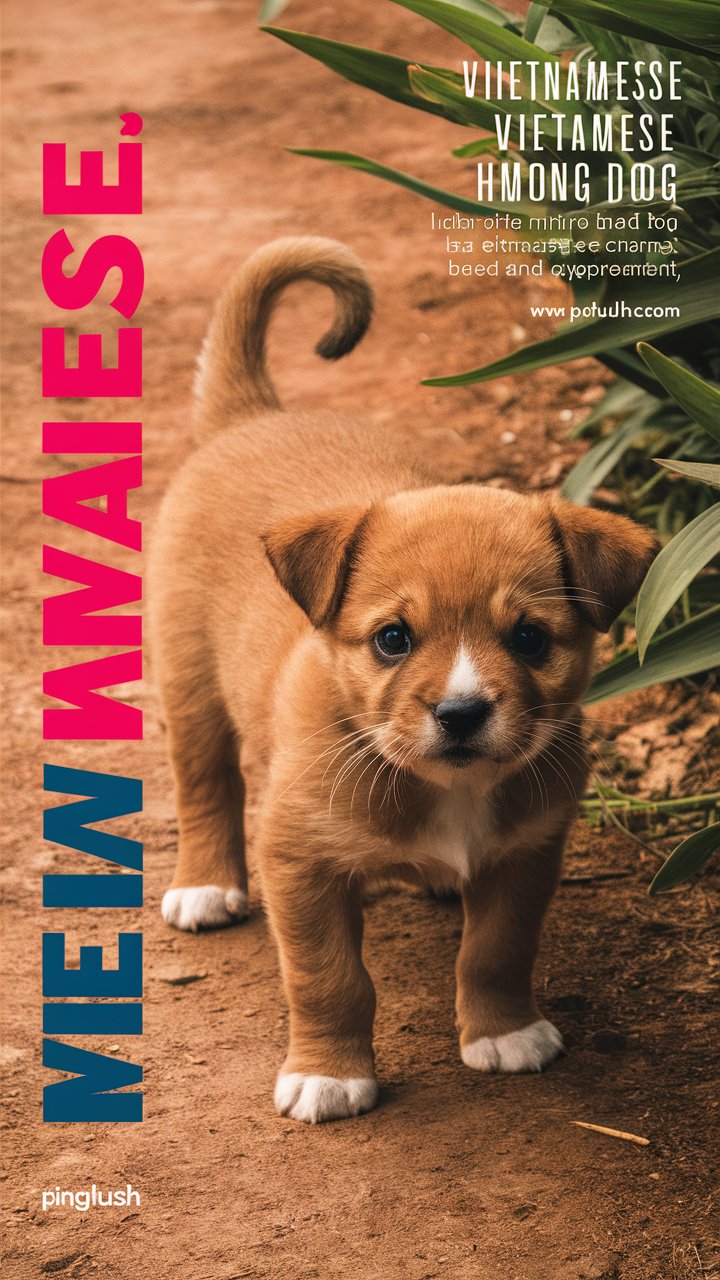
Meet the Hmong Dog, often nicknamed the Cat-Dog Hybrid for its feline-like agility, compact body, and expressive face that looks oddly “catlike.”
While it might sound like something out of a cartoon, the Hmong dog is a very real, ancient breed with deep roots in Vietnam’s misty northern mountains. Beloved by locals and admired by dog enthusiasts worldwide, this rare breed combines loyalty, intelligence, and charm in one compact package.
In this guide, we’ll explore everything about the Hmong Dog — its origins, genetics, personality, training, health, and why it’s becoming a global sensation among rare dog lovers.
🐕 What Is a Hmong Dog?
The Hmong Dog is a primitive dog breed native to the Hmong ethnic people of Northern Vietnam and Southern China. The breed was traditionally used for hunting, guarding homes, and herding livestock in mountainous regions like Lao Cai and Ha Giang.
Despite their ancient roots, Hmong dogs are now gaining attention online due to their “cat-dog” look — a compact, muscular frame with short legs, thick fur, and a stubby tail.
Unlike modern designer breeds, the Hmong dog has remained genetically stable for centuries, preserving its wild instincts and natural adaptability.
🌏 Historical Background: From Mountains to Modern Fame
🏔️ The Hmong People and Their Companion
The Hmong people have lived in the rugged highlands of Southeast Asia for thousands of years. In their isolated mountain villages, these resilient people relied on dogs that could survive extreme climates, protect livestock, and track prey across dense forests.
The Hmong Dog evolved in this environment — a mix of natural selection and selective breeding by the Hmong tribes. Its keen senses and loyalty made it an invaluable part of daily life.
🔬 Genetic Origins
While some claim the Hmong dog is a mix between a native mountain dog and a jungle wolf, there’s no genetic study confirming this yet.
However, experts classify it as a “landrace” breed — meaning it naturally developed over generations without human-controlled crossbreeding.
This makes the Hmong dog one of the few truly ancient, indigenous dog breeds that still exist largely unchanged.
🧬 What Breeds Make a Hmong Dog?
The exact lineage of the Hmong dog remains unclear due to limited records. But based on morphology and behavior, researchers suggest it could be related to:
- Indochinese native dogs
- Asian wolf descendants
- Possibly the Vietnamese Dingo or Laotian village dogs
Unlike hybrid designer dogs (like Labradoodles or Pomskies), the Hmong dog is not a man-made mix — it’s a naturally evolved breed fine-tuned by geography, isolation, and survival needs.
🐾 Hmong Dog Appearance & Characteristics
| Trait | Description |
|---|---|
| Size | Medium (18–22 inches tall, 35–55 pounds) |
| Build | Stocky, muscular, short legs, docked tail |
| Coat Type | Double coat, coarse outer layer, dense undercoat |
| Coat Colors | Black, tan, brindle, white, brown; rare albino variety exists |
| Eye Color | Brown, amber, or black; occasionally blue |
| Lifespan | 10–15 years (some live up to 20) |
| Temperament | Loyal, intelligent, social, protective |
| Trainability | High, with positive reinforcement |
| Energy Level | Moderate to high |
| Shedding | Moderate; needs weekly brushing |
🐕🦺 Physical Appearance: The “Cat-Dog” Look Explained
What makes the Hmong dog resemble a cat?
- Rounded, expressive eyes and a slightly upturned snout.
- Compact, flexible body that moves with feline-like grace.
- Short, thick tail that adds to its unique silhouette.
- Playful yet independent demeanor, often compared to a cat’s curiosity.
Their physical balance, alert posture, and ability to climb or jump with precision are what earned them the “cat-dog” nickname online.
🧠 Personality & Temperament
The Hmong dog is highly intelligent, loyal, and emotionally expressive. It forms strong bonds with its family and is known for:
- Loyalty: Fiercely protective of its owner and territory.
- Playfulness: Enjoys human interaction and gentle play with children.
- Sociability: Gets along well with other pets when socialized early.
- Calm Demeanor: Balanced energy levels — active outdoors, calm indoors.
- Alertness: Naturally vigilant, making it an excellent watchdog.
Unlike some primitive breeds, Hmong dogs are friendly and affectionate, not aggressive — though they can be wary of strangers.
🐶 Trainability & Intelligence
Hmong dogs are quick learners. Their intelligence and eagerness to please make training easy for patient owners.
✅ Training Tips
- Use positive reinforcement (treats, praise, play).
- Keep sessions short and engaging.
- Include puzzle toys and scent games to stimulate their mind.
- Start socialization early with people and other dogs.
They respond well to clicker training and can excel in obedience, agility, and scent work — a reflection of their historic role as hunting dogs.
💪 Activity Level & Exercise Needs
Because of their mountain origins, Hmong dogs are energetic and agile.
They require at least 60 minutes of daily activity, which can include:
- Long walks or light hikes
- Play sessions in open areas
- Fetch or obstacle courses
- Scent training
They enjoy mental stimulation as much as physical activity — puzzle feeders, hide-and-seek, or new commands keep them sharp and happy.
Without enough exercise, they can become restless or destructive.
🧴 Grooming & Shedding
Despite their thick double coat, Hmong dogs are moderate shedders.
Grooming Routine:
- Brushing: 2–3 times per week to remove loose fur and prevent matting.
- Bathing: Every 2–3 months or when dirty.
- Nail Trimming: Monthly.
- Ear Cleaning: Regularly to prevent infections.
Their coat naturally repels dirt and moisture — perfect for highland climates.
❤️ Health & Lifespan
The Hmong dog is known for its hardiness and resilience. Being a naturally evolved breed, it’s genetically strong and resistant to many modern canine diseases.
Common Health Concerns
Though generally healthy, owners should still watch for:
- Hip Dysplasia (common in medium breeds)
- Eye infections
- Parasites or fleas (if outdoors often)
With proper care, balanced diet, and regular vet visits, Hmong dogs can live 15–20 years, a remarkable lifespan for a medium-sized breed.
🍗 Diet & Nutrition
A balanced diet is key to the Hmong dog’s longevity.
Since they originated as working dogs, they thrive on high-protein, moderate-fat diets.
Recommended Foods
- Lean meats (chicken, beef, fish)
- Brown rice or oatmeal
- Vegetables (carrots, pumpkin, spinach)
- Occasional fruits (apple, banana)
Avoid artificial fillers, processed foods, and excessive grains.
🏡 What Are Hmong Dogs Like as Pets?
Hmong dogs make wonderful family companions. They’re gentle, intelligent, and emotionally sensitive — perfect for families who spend time at home.
They are:
- Protective but not overly aggressive
- Gentle with children
- Adaptable to both rural and urban environments (with enough activity)
- Low maintenance compared to high-shedding breeds
They also form deep emotional attachments and may follow their favorite person everywhere — a behavior similar to cats.
💰 Hmong Dog Price & Rarity
Because of their limited availability outside Vietnam and Laos, Hmong dogs are extremely rare internationally.
Estimated Price
- In Vietnam: $600–$1,000 USD
- Outside Asia (if imported): Up to $2,500 or more due to rarity and transport costs
Always ensure you buy from ethical breeders or local Hmong communities, not illegal wildlife traders.
🌍 Cultural Significance
To the Hmong people, these dogs aren’t just pets — they’re part of the family and community heritage.
They symbolize loyalty, bravery, and companionship, often appearing in Hmong folklore and local stories.
Some families even believe the dog’s spirit protects their home from evil, making it both a guardian and a companion.
📸 Social Media & Modern Popularity
In recent years, the Hmong dog went viral thanks to adorable photos and videos shared online — especially one famous pup nicknamed “Dúi”, who became known worldwide as the “Vietnamese Cat-Dog.”
This exposure brought international interest to the breed, but also highlighted the importance of ethical adoption and conservation rather than impulsive buying.
❓ Frequently Asked Questions
Is the Hmong Dog a Real Breed?
Yes — it’s an authentic, ancient breed from Northern Vietnam, though not officially recognized by major kennel clubs yet.
Is a Cat-Dog Hybrid Real?
No — the “cat-dog” term is just a nickname based on appearance and behavior. There’s no such biological hybrid.
Are Hmong Dogs Good With Kids?
Absolutely. They’re patient, playful, and gentle, making them excellent companions for children.
Are They Easy to Train?
Yes, especially with consistent positive reinforcement. Their intelligence makes them fast learners.
Can You Keep a Hmong Dog in an Apartment?
Yes, but only if you provide enough daily exercise and mental stimulation. They adapt surprisingly well to urban life if active.
🔍 Advanced Insights: Why the Hmong Dog Stands Out
- Primitive Intelligence:
Unlike modern breeds, the Hmong dog retains natural problem-solving instincts, similar to wolves. - Emotional Empathy:
Many owners report that their Hmong dog senses emotions — comforting them when sad or stressed. - Low Genetic Inbreeding:
Because they evolved in isolation, they have fewer hereditary issues compared to commercial breeds. - Eco-Friendly Adaptation:
Their coat and body structure make them efficient in both cold and humid climates.
These factors combine to make the Hmong dog a living link between ancient wild canines and modern domestic pets.
🌟 Final Thoughts
The Hmong Dog, affectionately known as the Cat-Dog Hybrid, is more than just an internet sensation — it’s a testament to natural evolution, loyalty, and companionship.
With a perfect balance of intelligence, adaptability, and affection, this ancient breed from Vietnam has captured the hearts of dog lovers worldwide.
If you ever get the chance to meet or adopt one, you’ll quickly understand why the Hmong dog is unlike any other.