
By David
Updated: February 22, 2025
Introduction: The Charm and Challenge of Raising a Yorkie
So, you’ve welcomed a Yorkshire Terrier into your home—congratulations! These tiny, energetic, and undeniably adorable pups pack more personality than most dogs twice their size. But along with their charm comes a unique set of health considerations.
Yorkies are a beloved toy breed known for their glossy coats, intelligent eyes, and sassy attitude. However, their petite size, genetic makeup, and sensitive systems mean they are more prone to certain health problems compared to larger or mixed-breed dogs.
As a responsible pet parent, the best thing you can do is educate yourself on potential health concerns—because early detection and timely care can make all the difference.
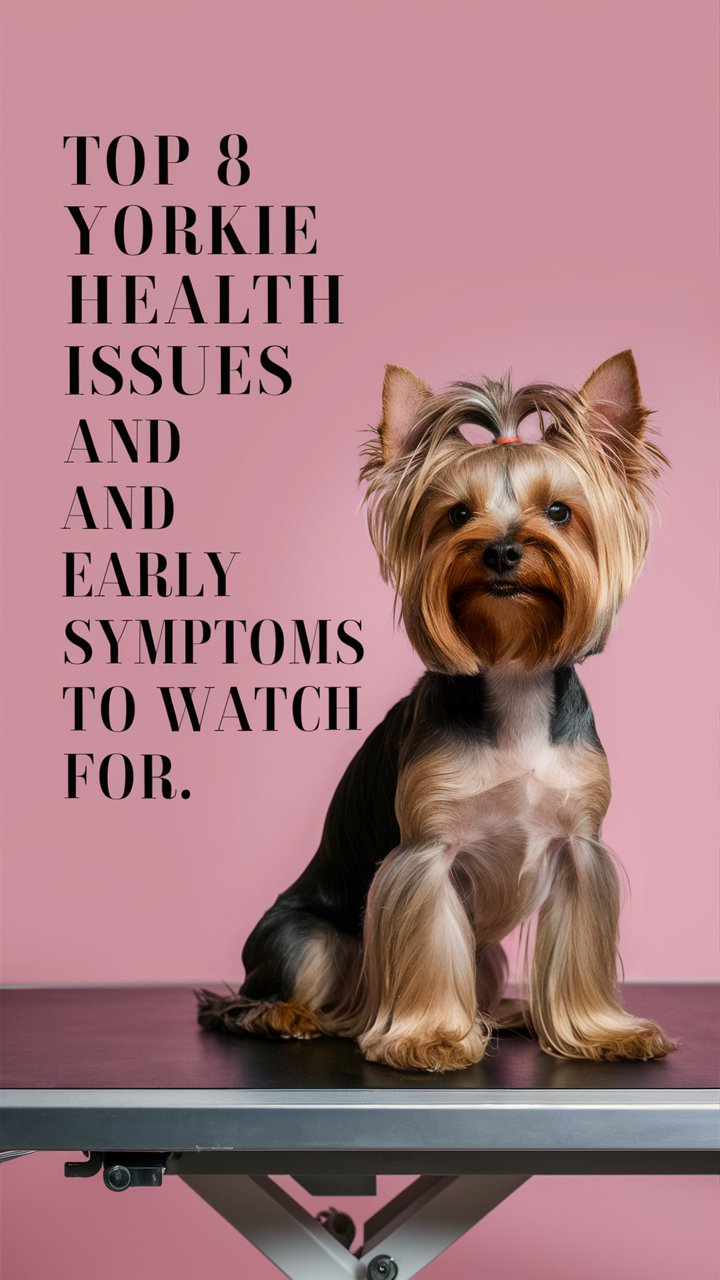
In this guide, we’ll walk you through eight of the most common health issues in Yorkies, the warning signs to look for, and proactive steps you can take to ensure your little companion stays healthy and happy for years to come.
1. Luxating Patella (Slipping Kneecaps)
What Is It?
Luxating patella occurs when the kneecap (patella) shifts out of its normal position. In Yorkies, this condition is often inherited and more prevalent due to their small stature.
Common Symptoms:
- Sudden limping or hopping
- “Skipping” steps while walking or running
- Temporary lameness in one leg
- Yelping or showing pain when the knee is touched
Causes:
- Genetic predisposition
- Jumping off furniture or overexertion
- Weak ligaments or shallow knee grooves
Treatment:
- Mild cases: Managed with weight control, physical therapy, and joint supplements (like glucosamine and chondroitin).
- Severe cases: May require corrective surgery to realign the patella and prevent arthritis.
Prevention Tips:
- Use pet stairs to limit jumping.
- Keep your Yorkie at a healthy weight.
- Provide joint-supporting supplements early on.
2. Collapsed Trachea
What Is It?
The trachea (windpipe) consists of cartilage rings that help maintain an open airway. In toy breeds like Yorkies, these rings can weaken over time, leading to a collapsed trachea.
Symptoms:
- Dry, honking cough (often mistaken for kennel cough)
- Gagging or wheezing, especially during excitement or pressure on the neck
- Difficulty breathing
- Cyanosis (bluish gums in severe cases)
Causes:
- Genetic predisposition
- Chronic respiratory infections
- Pressure from collars
Treatment:
- Switch to a harness instead of a collar to reduce neck pressure.
- Use cough suppressants and bronchodilators as prescribed.
- In advanced cases, surgical intervention may be required.
Pro Tip:
Avoid exposing your Yorkie to smoke, strong perfumes, or dusty environments that can irritate their airway.
3. Hypoglycemia (Low Blood Sugar)
Why It’s Common in Yorkies:
Due to their small size and high metabolism, Yorkies—especially puppies—are at risk for sudden drops in blood sugar, which can be life-threatening if not addressed promptly.
Symptoms:
- Lethargy or extreme tiredness
- Shakiness or trembling
- Disorientation or confusion
- Seizures in severe cases
- Unconsciousness
Causes:
- Missed meals
- Excessive physical activity
- Stress or changes in environment
Immediate Response:
- Rub honey or corn syrup on your dog’s gums (if they’re conscious).
- Keep them warm and calm.
- Contact your veterinarian immediately.
Prevention:
- Feed small, frequent meals throughout the day.
- Avoid long gaps between feedings.
- Monitor for signs of fatigue after play or training.
4. Dental Disease
Why Yorkie Teeth Need Extra Attention:
Yorkies often suffer from overcrowded teeth due to their small mouths. This makes it easy for plaque and tartar to accumulate, leading to gum disease, tooth decay, and infections.
Symptoms:
- Bad breath (halitosis)
- Red or bleeding gums
- Loose teeth
- Difficulty eating or chewing
- Pawing at the mouth
Dangers of Ignoring It:
- Pain and tooth loss
- Bacteria from infected gums can enter the bloodstream, affecting the heart and kidneys
Prevention and Treatment:
- Brush their teeth daily with dog-safe toothpaste.
- Use dental chews and toys to reduce plaque.
- Schedule annual professional cleanings with your vet.
5. Legg-Calvé-Perthes Disease
What Is It?
This condition involves the spontaneous degeneration of the femoral head (the top part of the thigh bone that fits into the hip socket), resulting in pain and lameness.
Symptoms:
- Limping or favoring one leg
- Muscle wasting in the affected leg
- Pain when the hip is touched
- Decreased activity or reluctance to play
Who’s at Risk?
- Typically affects Yorkies under 1 year of age
- Often seen in genetically predisposed lines
Treatment:
- Early stages: Rest, anti-inflammatory medication
- Advanced cases: Surgery (femoral head ostectomy) is often necessary for long-term mobility
Recovery:
Post-surgery recovery usually includes physical therapy and a tailored exercise plan.
6. Portosystemic Shunt (Liver Shunt)
What Is It?
A liver shunt is a congenital abnormality where blood bypasses the liver, preventing proper detoxification. Yorkies are one of the most commonly affected breeds.
Signs to Watch:
- Stunted growth or failure to thrive
- Lethargy or confusion after eating
- Vomiting or diarrhea
- Head pressing or unsteady walking (neurological signs)
- Excessive drooling
Diagnosis:
- Blood tests, bile acid tests, and imaging (ultrasound or CT scan)
Treatment Options:
- Mild cases: Managed with a special low-protein diet and medications
- Severe cases: Surgical correction of the shunt may be necessary
Long-Term Management:
Early intervention leads to a good prognosis. Annual liver function testing is advised for monitoring.
7. Eye Problems
Common Conditions in Yorkies:
- Dry Eye (Keratoconjunctivitis Sicca): Inadequate tear production causing irritation.
- Cataracts: Clouding of the eye lens, leading to impaired vision or blindness.
- Progressive Retinal Atrophy (PRA): A genetic disease that gradually causes blindness.
Signs to Look For:
- Redness, discharge, or squinting
- Cloudy or bluish appearance in eyes
- Bumping into furniture or hesitant movement in dim light
Care and Prevention:
- Gently clean around the eyes daily
- Use prescribed eye drops for dry eye
- Schedule annual eye exams with a veterinary ophthalmologist
8. Sensitive Digestive System
Why Yorkies Have Tummy Troubles:
Yorkies are notorious for their picky eating habits and delicate stomachs. A sudden change in food or ingestion of fatty foods can lead to digestive upset.
Symptoms:
- Frequent vomiting
- Diarrhea
- Gas or bloating
- Refusal to eat
Common Causes:
- Food allergies (especially to grains, dairy, or chicken)
- Sudden dietary changes
- Eating table scraps or low-quality food
Solutions:
- Feed a high-quality, limited-ingredient diet
- Avoid rich or spicy foods
- Introduce new foods gradually
- Monitor reactions to treats and table scraps
Bonus: Additional Yorkie Health Considerations
- Allergies: Can manifest as itchy skin, licking paws, or chronic ear infections.
- Pancreatitis: Triggered by fatty foods; watch for vomiting, abdominal pain, and lethargy.
- Heart Conditions: Monitor for coughing, exercise intolerance, or fainting.
How to Keep Your Yorkie Healthy: Preventative Tips That Matter
1. Annual Veterinary Exams: Catch problems early with routine checkups.
2. Weight Management: Obesity worsens nearly all health issues in Yorkies.
3. Regular Grooming: Clean ears, trim nails, and keep fur around the eyes and mouth neat.
4. Mental Stimulation: Use toys, puzzles, and training to keep your Yorkie mentally sharp.
5. Safe Exercise: Short walks and indoor play are perfect for their size. Avoid overexertion.
Yorkie Health Checklist (Print & Save)
| Task | Frequency |
|---|---|
| Vet Visit | Every 6–12 months |
| Dental Brushing | 3–7 times per week |
| Nail Trimming | Every 3–4 weeks |
| Weight Check | Monthly |
| Eye/Ear Check | Weekly |
| Parasite Prevention | Monthly |
| Blood Work (if over 6 years) | Annually |
Final Thoughts: Your Yorkie Deserves the Best
Caring for a Yorkie requires diligence, patience, and love. These spirited little dogs may be prone to health concerns, but with the right knowledge and proactive care, they can enjoy long, vibrant lives as treasured family members.
The key is early detection and consistent preventive care. Always trust your instincts—if something seems “off” about your Yorkie’s behavior, don’t wait to consult your vet. With your attentive care, your pint-sized pal will continue charming the world (and ruling your home) for years to come.