
Meta Description:
Discover the best homes, lifestyles, and owners for the Great Pyrenees — a gentle giant known for loyalty, protection, and heartwarming devotion. Learn if this stunning breed fits your family and lifestyle.
Introduction
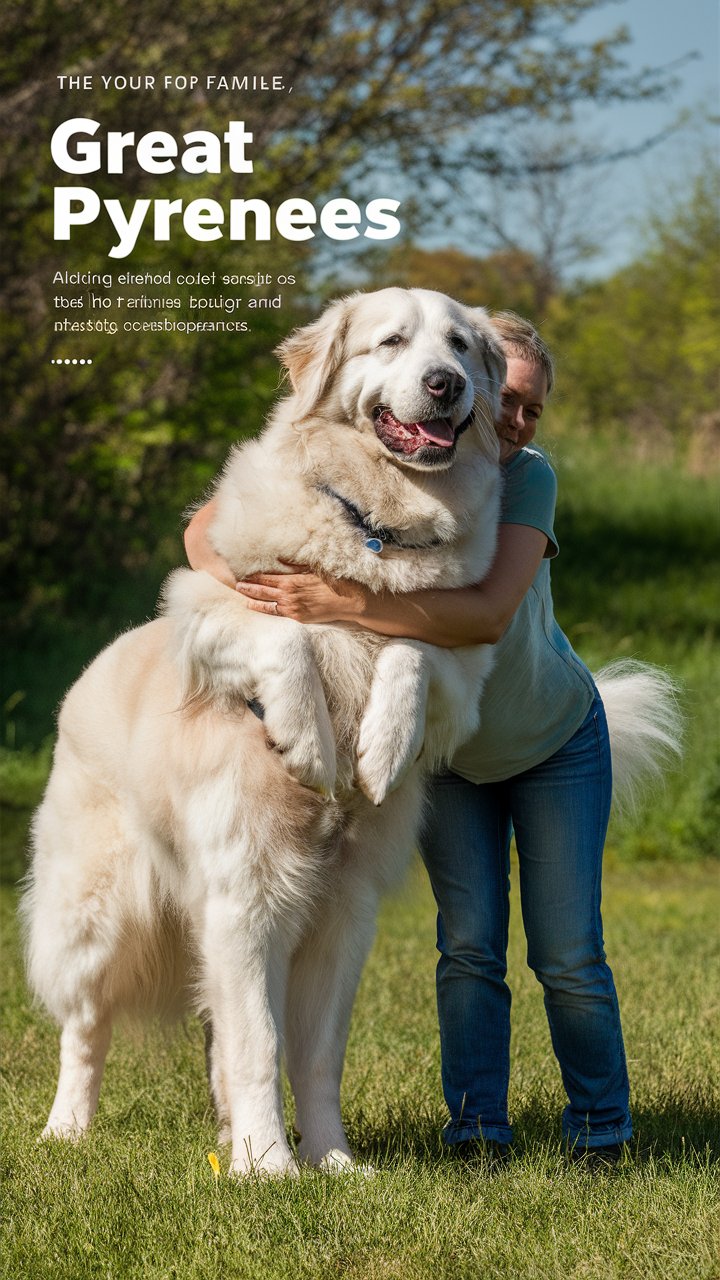
The Great Pyrenees — often called the “gentle giant of the mountains” — is a loyal, majestic, and protective breed that captures hearts at first sight. Originally bred to guard livestock in the Pyrenees Mountains of France and Spain, today they’re equally cherished as loving family companions.
But make no mistake — this isn’t a breed for everyone. Their size, independence, and protective instincts make them perfect for certain homes and challenging for others.
In this guide, you’ll discover:
- Which households and owners are ideal for the Great Pyrenees
- Common mistakes new owners make
- Real-life pros and cons
- Expert care and training advice
Let’s dive in.
🏡 What Households Are Best for a Great Pyrenees?
The Great Pyrenees thrives in spacious, calm, and structured environments. They do best with families who have:
✅ Large yards or open land — These dogs were born to roam. Small apartments frustrate them.
✅ Active lifestyles — Daily walks and mental stimulation are essential.
✅ Time for grooming — Their thick double coat sheds heavily.
✅ Confidence and leadership — They respect strong, calm owners.
Best Matches:
- Families with large fenced yards
- Experienced dog owners
- People living in rural or suburban areas
- Homeowners with livestock
Poor Matches:
- Apartment dwellers
- Busy professionals who travel often
- People allergic to dogs or sensitive to shedding
- Owners who can’t handle 100+ lbs of strength
👨👩👧👦 Are Great Pyrenees Good Family Dogs?
Absolutely. The Great Pyrenees is gentle, affectionate, and protective — a true family guardian.
They’re calm with children, patient with rough play, and deeply loyal. However, supervision is wise with toddlers simply due to their large size.
Pro Tip: Early socialization ensures they stay friendly with guests and other pets.
Family Rating: ⭐⭐⭐⭐⭐
Protectiveness: 💪 Extremely high
Energy Level: ⚡ Moderate
🧒 Are Great Pyrenees Good with Kids?
Yes — few breeds are as trustworthy around children. Their natural instinct is to watch over and protect, not to chase or bite.
However, because of their size, teaching boundaries to both the dog and the child is important. A playful nudge can knock down a small kid!
🚫 First-Time Owners: Think Twice
While their looks may tempt new owners, the Great Pyrenees is not ideal for beginners.
They’re independent thinkers — bred to make decisions without human direction. That means training requires patience, repetition, and calm authority.
If you’re a first-time owner, start with an easier breed unless you’re committed to consistent training and grooming.
🏙️ Apartment Living: A Big No
The Great Pyrenees does not belong in an apartment. Their size, energy, and tendency to bark make them poor fits for small spaces.
They need room to roam and a secure fenced yard. Without it, they become bored, noisy, and frustrated.
If city life is your reality, consider a smaller, less protective breed.
🤧 Hypoallergenic? Unfortunately, No
The Great Pyrenees is not hypoallergenic. They shed heavily — especially during seasonal coat blows — and produce plenty of dander.
If allergies are a concern, this breed will likely trigger them.
🛡️ Born Guardians: Excellent Protectors
The Great Pyrenees isn’t aggressive — but they are fearless protectors.
They’ll calmly stand between you and any perceived threat. Their deep bark alone deters intruders.
This natural guarding instinct makes them exceptional watchdogs but also means they require proper training to avoid overprotective behavior.
🏔️ The Great Outdoors: Ideal Hiking Companions
Love hiking? So will your Pyrenees.
They’re athletic, enjoy long walks, and thrive in cold, rugged environments. Their weatherproof coat keeps them warm in snow and rain.
However, always keep them leashed — their guarding instinct can cause them to wander or chase wildlife.
❤️ Service & Therapy Dog Potential
Their calm temperament, intelligence, and empathy make them excellent service or therapy dogs when properly trained.
They’re often used for:
- Emotional support
- Mobility assistance
- Hospital therapy visits
Patience and structured training are key to unlocking their full potential.
🐑 Are They Herding Dogs?
Not exactly. They’re livestock guardians, not herders.
Instead of moving animals, they protect them — often watching over sheep, goats, and even chickens.
That instinct translates beautifully into family life, where they see children as their “flock.”
❄️ Cold Weather? Bring It On!
This breed loves cold climates. Their thick double coat keeps them warm even in freezing temperatures.
However, in hot weather, ensure plenty of shade and water — they can overheat easily.
🐕 Compatibility with Other Pets
With Cats:
Great Pyrenees typically get along well with cats, especially if raised together. Their gentle nature and protective instincts extend to feline friends.
With Other Dogs:
They do well with other large, calm breeds. They enjoy companionship and play but may clash with overly dominant or small, fragile dogs.
Good Matches: Golden Retrievers, Labradors, German Shepherds
Avoid Pairing With: Tiny toy breeds (they can get hurt during rough play)
💡 Are They Smart?
Yes — but in their own way. The Great Pyrenees isn’t eager-to-please like a Border Collie; they’re independent thinkers.
They’re quick learners but question commands — especially if they see no purpose in them.
Training Tip: Use positive reinforcement, patience, and consistency. Avoid harsh correction; it breaks their trust.
💪 Strength & Size
An adult male can weigh up to 160 lbs (72 kg) and stand over 32 inches tall. Their sheer power means owners must be confident and capable handlers.
Without training, they can easily drag a person during walks.
💤 Do They Sleep a Lot?
Yes — they’re famous nappers! Adult Great Pyrenees can sleep 16–18 hours a day, especially after exercise.
It’s perfectly normal and part of their calm nature.
🧬 Common Health Issues
While generally healthy, this breed is prone to:
- Hip and elbow dysplasia
- Bloat (gastric torsion)
- Bone cancer
Routine vet checkups, high-quality food, and weight management are essential for longevity.
Average lifespan: 10–12 years
🧹 Grooming & Shedding
Expect a snowstorm of fur twice a year. Regular brushing (3–4 times weekly) keeps their coat clean and mat-free.
Baths only every few months — overbathing strips natural oils.
⚡ Quick Pros & Cons
| Pros | Cons |
|---|---|
| Loyal and protective | Heavy shedding |
| Gentle with kids | Needs space |
| Calm and confident | Hard to train |
| Great with other pets | Prone to barking |
| Cold weather tolerant | Not hypoallergenic |
🧠 Do They Fit Your Personality?
| Ideal Owner Traits | Why It Matters |
|---|---|
| Patient & calm | Training takes time |
| Active lifestyle | Needs regular walks |
| Confident leader | Prevents dominance issues |
| Homeowner with space | Needs yard and security |
| Family-oriented | Loves companionship |
If that sounds like you — congratulations, the Great Pyrenees may be your perfect match.
💬 Final Thoughts
The Great Pyrenees isn’t just a dog — it’s a protector, a best friend, and a heartwarming presence that brings peace and strength to any home.
They’re not for everyone — but for the right owner, they’re unforgettable.
If you’re ready to invest love, patience, and time, the Great Pyrenees will repay you with unmatched loyalty and lifelong devotion.