
Last Updated: July 2025
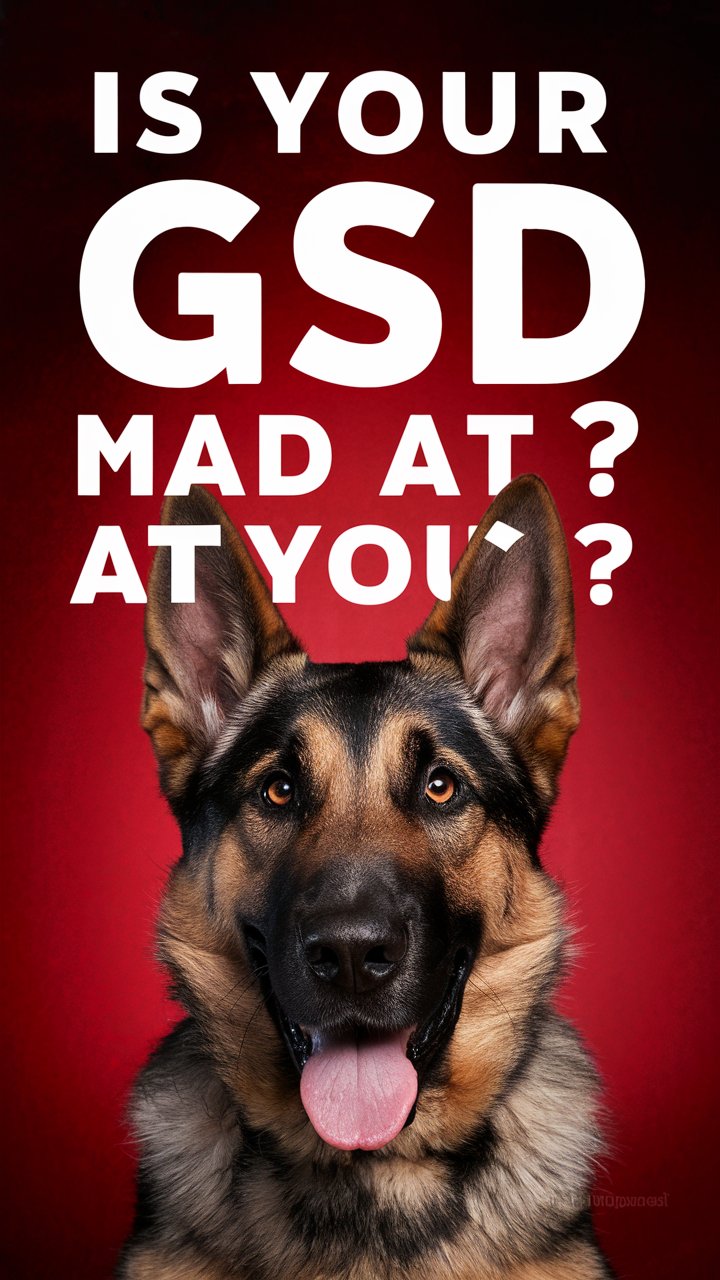
German Shepherds are known for their loyalty, intelligence, and emotional sensitivity. If you’re the proud human of a German Shepherd and you suspect that your furry companion might be upset with you, you’re not imagining things. These dogs are highly expressive and emotionally complex. While they don’t hold grudges like humans, they can certainly exhibit behaviors that indicate emotional discomfort or resentment.
In this comprehensive guide, we’ll explore:

- Common signs your German Shepherd may be mad at you
- Psychological reasons behind their behavior
- How to respond effectively
- Ways to rebuild trust and strengthen your bond
Let’s decode your dog’s feelings and help restore harmony in your home.
Understanding the Emotional Intelligence of a German Shepherd
Before jumping into the signs of a moody pup, it’s important to recognize the emotional depth of a German Shepherd. These are not your average dogs—they’re working breeds with complex needs.
✅ Why German Shepherds Are Emotionally Sensitive
- High Intelligence: German Shepherds are ranked as the third most intelligent dog breed. Their mental sharpness makes them highly aware of emotional cues.
- Strong Bonding Tendencies: Once a GSD (German Shepherd Dog) bonds with someone, the connection is deep and lasting.
- Natural Protectors: They’re pack-oriented and view family members as part of their core unit. Any emotional shift can impact them significantly.
Their intelligence makes them trainable, but also prone to feeling ignored, misunderstood, or upset if they feel slighted.
Is Your German Shepherd Mad at You? Key Signs to Watch For
Not sure whether your dog is sulking or just tired? Here are signs that indicate your German Shepherd may be upset:
1. Avoiding Eye Contact
When a German Shepherd feels emotionally off, they may refuse to look you in the eye. Normally, dogs seek eye contact for reassurance and bonding. Avoidance is their way of saying, “I’m not okay with you right now.”
2. Ignoring Commands
A well-trained GSD doesn’t suddenly forget how to sit or stay. If your dog is “forgetting” simple commands they once obeyed flawlessly, they might be doing so out of frustration or emotional withdrawal.
3. Withdrawing from Affection
Has your usually cuddly companion started keeping their distance? A once-snuggly German Shepherd refusing affection or walking away when you try to pet them can be a clear indicator that they’re upset.
4. Heavy Sighing or Huffing
German Shepherds are known for their expressive body language. Dramatic sighs, grunts, or groans can be subtle ways of expressing disappointment or sadness.
5. Overt Pouting
Yes, dogs pout. You might find your dog sitting in the corner with a downturned expression, ears back, tail limp, and eyes full of silent protest.
6. Acting Jealous or Possessive
If you recently gave attention to another dog, your GSD might react by sulking, ignoring you, or clinging to their favorite toys.
7. Mild Destructive Behavior
Chewing on furniture, ripping up toys, or excessive digging could be emotional outlets for a frustrated or under-stimulated dog.
What Causes a German Shepherd to Be Upset?
To truly understand your dog’s feelings, it’s essential to look at why they may be upset. Dogs don’t get mad without reason. Emotional responses are triggered by events or repeated neglect of their needs.
🔹 1. You Left Them Alone Too Long
German Shepherds thrive on human interaction. Leaving them alone for extended periods can cause anxiety and loneliness.
Fix It:
- Invest in interactive toys or puzzles to keep them occupied.
- Hire a dog walker or sitter if you’re gone for long hours.
- Spend quality time together when you’re home.
🔹 2. You Yelled or Scolded Them Harshly
These dogs are sensitive. Harsh punishments, yelling, or aggressive tones can damage their trust in you.
Fix It:
- Always correct behavior using calm, firm commands.
- Reward positive behavior instead of just punishing the negative.
- Use consistent training methods and avoid shouting.
🔹 3. Inconsistent Routines
Dogs are creatures of habit. If you frequently change walk times, mealtimes, or sleeping arrangements, your German Shepherd might act out due to stress.
Fix It:
- Stick to a predictable daily routine.
- Keep feeding and walking schedules consistent.
- Create a calm environment with clear boundaries.
🔹 4. Insufficient Physical or Mental Exercise
Boredom is the enemy of a German Shepherd’s well-being. Without proper stimulation, they can become frustrated or emotionally withdrawn.
Fix It:
- Ensure your dog gets at least 1–2 hours of exercise daily.
- Use games like fetch, scent trails, or obstacle courses.
- Incorporate training sessions to keep their minds engaged.
🔹 5. Jealousy Over Another Pet or Human
If you brought home a new pet or started spending time with someone new, your dog might feel replaced.
Fix It:
- Reassure your dog by giving them one-on-one time.
- Avoid ignoring them in favor of a new pet.
- Use treats and positive reinforcement to create positive associations with the new companion.
How to Rebuild Trust with Your German Shepherd
When a German Shepherd gets upset, rebuilding trust is possible—but it requires consistency and understanding.
✅ 1. Respect Their Space
Don’t force affection when your dog is pulling away. Give them time and space to come back on their terms.
✅ 2. Use Positive Reinforcement
Never underestimate the power of a treat or a belly rub. Pair rewards with your presence to create positive associations.
✅ 3. Speak Calmly and Softly
Use a gentle, reassuring voice. Dogs are highly receptive to tone, and soft, kind speech is more likely to soothe a hurt pup.
✅ 4. Make Amends with Actions
Saying “I’m sorry” doesn’t translate to your dog—but your actions do. A surprise walk, a new toy, or some dedicated cuddle time can work wonders.
✅ 5. Be Consistent
German Shepherds feel secure when they know what to expect. Routines, boundaries, and predictability are key.
✅ 6. Learn Their Love Language
Just like humans, dogs have preferences. Some love praise, others enjoy play, and some prefer treats or affection. Notice what lights your dog up and do more of it.
Healthy Habits to Prevent Emotional Distress
Prevention is better than cure. Here are a few habits that will help ensure your German Shepherd feels emotionally secure and bonded with you.
💡 Establish a Predictable Routine
Consistency builds confidence. Try feeding, walking, and playing with your dog at similar times each day.
💡 Provide Enrichment
Don’t just give them exercise—give them purpose. Mental stimulation through puzzles, commands, or scent games is essential.
💡 Prioritize One-on-One Time
Make time each day to connect without distractions. Even 15 minutes of dedicated attention can work wonders.
💡 Socialize Carefully
Expose your German Shepherd to other dogs, people, and environments early and often—but always in a safe, controlled way.
💡 Observe Their Body Language
Ears, eyes, tail, and posture all tell a story. Learn to read these subtle signs and respond with empathy.
Common Misunderstandings About Angry Dogs
Let’s clear up some myths:
❌ Myth #1: “He’s just being stubborn.”
Truth: Most disobedience in German Shepherds is due to unmet emotional or physical needs—not spite.
❌ Myth #2: “Ignore them until they come around.”
Truth: While some space is good, dogs also need reassurance and attention to rebuild trust.
❌ Myth #3: “He’ll get over it.”
Truth: Dogs don’t always “get over” emotional trauma unless we actively help them heal.
When to Seek Professional Help
If your dog’s behavior turns aggressive, severely withdrawn, or self-destructive, it’s time to call in help. Signs you may need a professional dog behaviorist or trainer:
- Aggression toward family members or other pets
- Complete loss of interest in food, play, or walking
- Obsessive behavior like pacing or licking
- Inability to relax, even in a quiet setting
Veterinary consultation can also help rule out underlying health issues contributing to behavioral changes.
Final Thoughts: A German Shepherd’s Loyalty Runs Deep
German Shepherds don’t hold grudges the way people do, but they do feel deeply. If they’re upset, it’s often because they’re confused, hurt, or feeling neglected. Thankfully, they are also incredibly forgiving and loyal once trust is rebuilt.
If you suspect your German Shepherd is mad at you:
- Pay attention to their behavior
- Reflect on your own actions
- Respond with patience, love, and consistency
When you meet their emotional and physical needs, your German Shepherd will reward you with fierce loyalty, affection, and a bond few species can match.
So, go ahead—apologize with a treat, a walk, and some undivided attention.
They’re probably already watching you with those soulful eyes, waiting to forgive