
Slug:
french-bulldog-licking-chewing-paws-reasons-and-solutions
Short Meta Description (155 characters):
Discover 12 reasons why your French Bulldog licks and chews their paws and learn expert-backed, vet-approved tips to stop this behavior safely.
Focus Keywords:
- French Bulldog licking paws
- French Bulldog chewing paws
- Why does my Frenchie lick paws
- Stop French Bulldog paw licking
- French Bulldog paw care
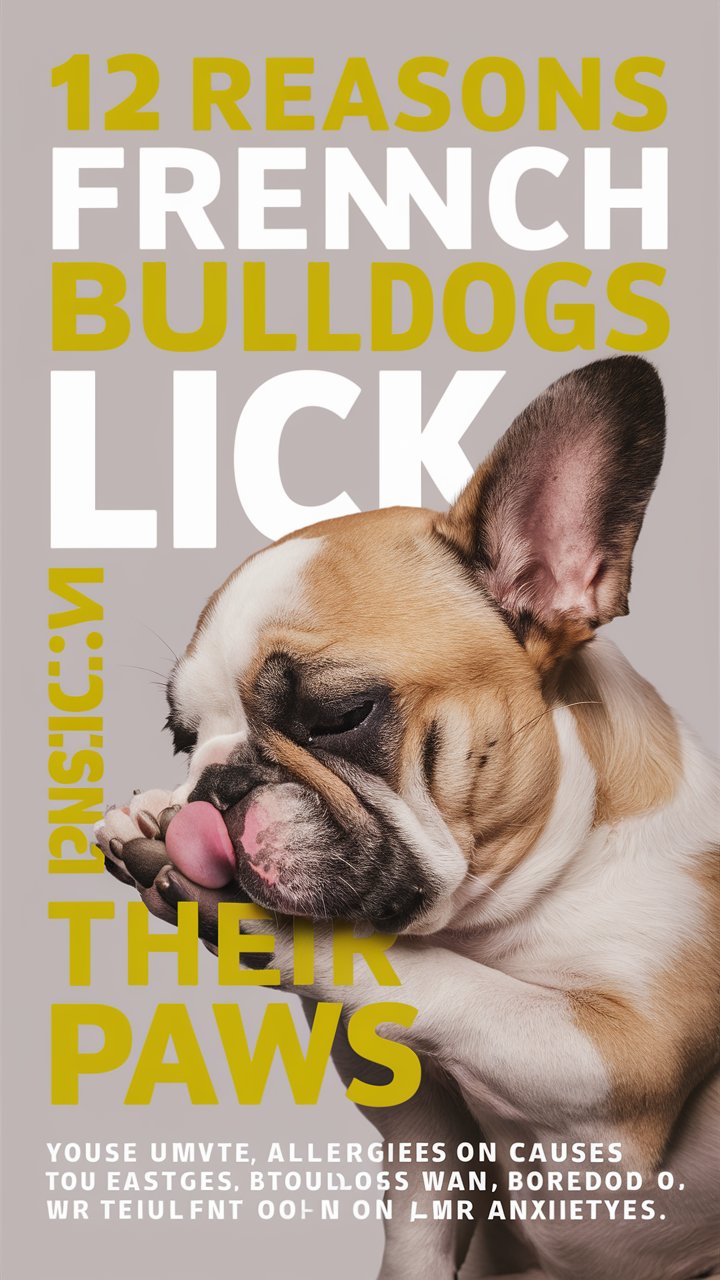
🐶 Introduction: Why Your Frenchie’s Paw Licking Isn’t Always “Cute”
You adore your Frenchie. Their snorts, wiggles, and goofy smiles melt your heart — until you notice them constantly licking or chewing their paws.
At first, it might seem innocent, even adorable. But when it becomes excessive, it could mean something deeper — from allergies to anxiety or even hidden pain.
French Bulldogs are known for their sensitive skin and emotional nature, making them more prone to paw issues than most breeds.
This guide covers the 12 real reasons behind their paw licking, how to tell when it’s serious, and proven ways to help your Frenchie stop — all backed by expert insight and practical solutions.
🧠 Why French Bulldogs Lick & Chew Their Paws
Occasional licking is normal — it’s part of self-grooming.
However, excessive or obsessive licking usually points to something physical (like irritation or infection) or emotional (like boredom or anxiety).
The key is to observe patterns — how often, when, and where your Frenchie does it.
Let’s break down the most common causes and expert fixes.
🐾 12 Common Reasons Why French Bulldogs Lick & Chew Their Paws
1. Self-Grooming (Normal Behavior)
Like humans wash their hands, Frenchies lick to clean dirt, mud, or debris from their paws.
If your Frenchie licks their paws occasionally after walks or meals, it’s simply part of their grooming ritual.
⚠️ When It’s Okay:
- Only happens occasionally
- No redness, swelling, or odor
- Stops after a short while
✅ What To Do:
- Wipe paws gently with unscented baby wipes or dog-safe wipes after walks.
- Keep their nails trimmed to avoid irritation between toes.
2. Self-Soothing & Stress Relief
French Bulldogs are emotional, people-oriented dogs. They lick and chew as a way to calm themselves when stressed.
Licking releases endorphins — natural “feel-good” hormones that comfort them during anxiety.
🧩 Common Triggers:
- Loud noises (fireworks, thunder)
- Moving homes or changes in routine
- Being left alone too long
- Loss of a family member or pet
✅ What To Do:
- Spend more playtime or add mental stimulation (puzzle toys, treat-dispensing toys).
- Use a pheromone diffuser like Adaptil to calm anxiety.
- Try slow, gentle massages to relax them before bedtime.
💡 Vet Insight: “Repetitive licking in dogs often mirrors human anxiety habits like nail-biting. Managing stress is key to reducing this behavior.” — Dr. Lisa Radosta, Veterinary Behaviorist
3. Dry or Cracked Paws
Just like humans get dry skin, your Frenchie can suffer from dry or cracked paw pads — especially in winter or after walks on hot pavement.
👀 Signs To Watch:
- Flaky skin between paw pads
- Licking right after outdoor play
- Small cracks or rough texture
✅ What To Do:
- Apply dog-safe paw balm (like Musher’s Secret or Burt’s Bees Paw Lotion).
- Avoid walking on salted roads or hot sidewalks.
- Use Omega-3 supplements (salmon oil) to keep skin hydrated from the inside.
4. Food Allergies
Food sensitivities are among the top reasons for paw licking in French Bulldogs.
Common culprits: chicken, beef, dairy, soy, wheat, and eggs.
👀 Symptoms Beyond Paw Licking:
- Itchy ears or red skin
- Chronic gas or diarrhea
- Rashes or constant scratching
✅ What To Do:
- Switch to a hypoallergenic diet or limited ingredient food (like lamb, duck, or salmon).
- Introduce a new protein and monitor results for 8–12 weeks.
- Ask your vet for a professional elimination diet plan.
5. Environmental (Airborne) Allergies
Dust mites, pollen, or grass chemicals can trigger allergic reactions in Frenchies, leading to itchy, inflamed paws.
If licking increases after outdoor time, this might be the cause.
✅ What To Do:
- Rinse or wipe paws after every walk.
- Use a mild, anti-itch dog shampoo weekly.
- Keep your home air-filtered and dust-free.
🐾 Expert Tip: Some Frenchies develop seasonal allergies — track flare-ups by month to spot patterns.
6. Pain or Injury
A hidden cut, splinter, or burn can make your Frenchie lick obsessively to relieve discomfort.
👀 Signs:
- Licking only one paw
- Limping or favoring a leg
- Visible swelling or redness
✅ What To Do:
- Examine the paw pads, nails, and between toes under good light.
- Use a saline rinse to clean minor cuts.
- Visit a vet if swelling, pus, or limping continues beyond 24 hours.
7. Fleas, Ticks, or Mites
Parasites like fleas and mites cause intense itchiness that can drive your Frenchie to chew their paws raw.
👀 Check For:
- Tiny black “flea dirt” on skin
- Red bumps or scabs
- Constant scratching of paws and body
✅ What To Do:
- Use monthly flea/tick prevention treatments.
- Wash bedding weekly in hot water.
- Visit a vet for parasite control medication if infestation persists.
8. Yeast Infection (Fungal Problem)
French Bulldogs are prone to yeast infections due to their skin folds and moisture retention.
Yeast buildup causes a greasy feel, sour odor, and constant paw licking.
✅ What To Do:
- Wash paws with antifungal dog shampoo (containing chlorhexidine or ketoconazole).
- Dry paws thoroughly after baths or walks.
- Add probiotics to their diet for gut balance.
🦠 Vet Tip: “If your Frenchie’s paws smell like corn chips or cheese, it’s likely a yeast infection.”
9. Atopic Dermatitis (Skin Sensitivity)
Atopic dermatitis is a chronic allergic condition often linked to genetics.
It can make your Frenchie’s skin itchy even when nothing visible appears wrong.
👀 Signs:
- Licking and biting paws daily
- Rubbing face or belly on carpets
- Hair loss on paws or legs
✅ What To Do:
- Ask your vet about allergy testing.
- Use medicated shampoos and anti-itch sprays.
- Maintain regular grooming to remove allergens trapped in fur.
10. Paw Cysts (Swollen Growths)
If you notice swelling or bumps between your Frenchie’s toes, it could be an interdigital cyst — painful and persistent.
✅ What To Do:
- Do not squeeze or pop it.
- Keep paws clean and dry.
- Visit your vet — cysts often require drainage or minor surgery.
11. Blisters or Burns
Walking on hot pavements, rough surfaces, or icy sidewalks can cause blisters or burns on delicate paws.
👀 Warning Signs:
- Licking after outdoor walks
- Red or peeling skin on pads
✅ What To Do:
- Rinse paws in cool (not cold) water.
- Apply a vet-approved healing balm.
- Use dog booties for protection during extreme weather.
12. Boredom or Habit
Sometimes your Frenchie just… has nothing better to do.
Understimulated dogs may develop habitual licking, similar to nail-biting in humans.
✅ What To Do:
- Increase exercise and playtime (30–45 minutes daily).
- Offer chew toys, treat puzzles, or snuffle mats.
- Teach new tricks to mentally challenge them.
🧴 4 Proven Tips to Stop French Bulldog Paw Licking for Good
1. Maintain Paw Health Year-Round
- Trim nails regularly.
- Check for cuts or foreign objects weekly.
- Wipe paws after every walk with dog-safe wipes.
- Moisturize with paw balm every 2–3 days.
2. Reduce Stress & Boredom
- Provide daily bonding time — short training sessions, fetch, or cuddles.
- Rotate toys weekly to keep them fresh.
- Create a calm, stable routine (Frenchies thrive on predictability).
3. Identify Allergies Early
- Keep a “paw diary” to track diet changes, environments, and licking frequency.
- Consult your vet for blood or patch testing if symptoms persist.
- Switch to natural cleaning products at home — harsh chemicals can irritate paws.
4. Get a Vet’s Professional Help
If licking continues despite home care, it’s time for a check-up.
A vet can:
- Test for skin infections or parasites
- Prescribe anti-inflammatory or anti-fungal medications
- Offer allergy relief treatments or special diets
💬 “Persistent paw licking is your dog’s way of saying, ‘Something’s wrong.’ Don’t ignore the message.” — Dr. Jennifer Coates, DVM
📋 Quick Reference Chart
| Cause | Common Signs | Home Fix | When to See Vet |
|---|---|---|---|
| Dry Skin | Flaky, rough pads | Paw balm, Omega-3 | If bleeding or cracked |
| Food Allergies | Itchy ears, gas | Elimination diet | If persistent itching |
| Parasites | Red bumps, scratching | Flea control | If infection develops |
| Yeast Infection | Odor, greasy paws | Antifungal wash | If recurring |
| Anxiety | Licking during stress | Toys, comfort, exercise | If compulsive |
💡 Bonus: Preventive Paw Care Routine (Weekly Plan)
🗓️ Monday: Gentle paw wash & moisture check
🗓️ Wednesday: Trim nails, inspect for debris
🗓️ Friday: Omega-3 supplement dose
🗓️ Sunday: Paw massage with balm before bedtime
Keeping a simple routine like this prevents most paw-related issues from returning.
❤️ Final Thoughts: Keep Those Frenchie Paws Happy
Licking and chewing are natural, but when it becomes excessive, it’s your Frenchie’s way of asking for help.
By identifying the root cause — whether it’s allergies, dryness, or stress — and applying these vet-approved fixes, you can help your pup stay comfortable, healthy, and happy.
And remember: Happy paws mean a happy Frenchie!