
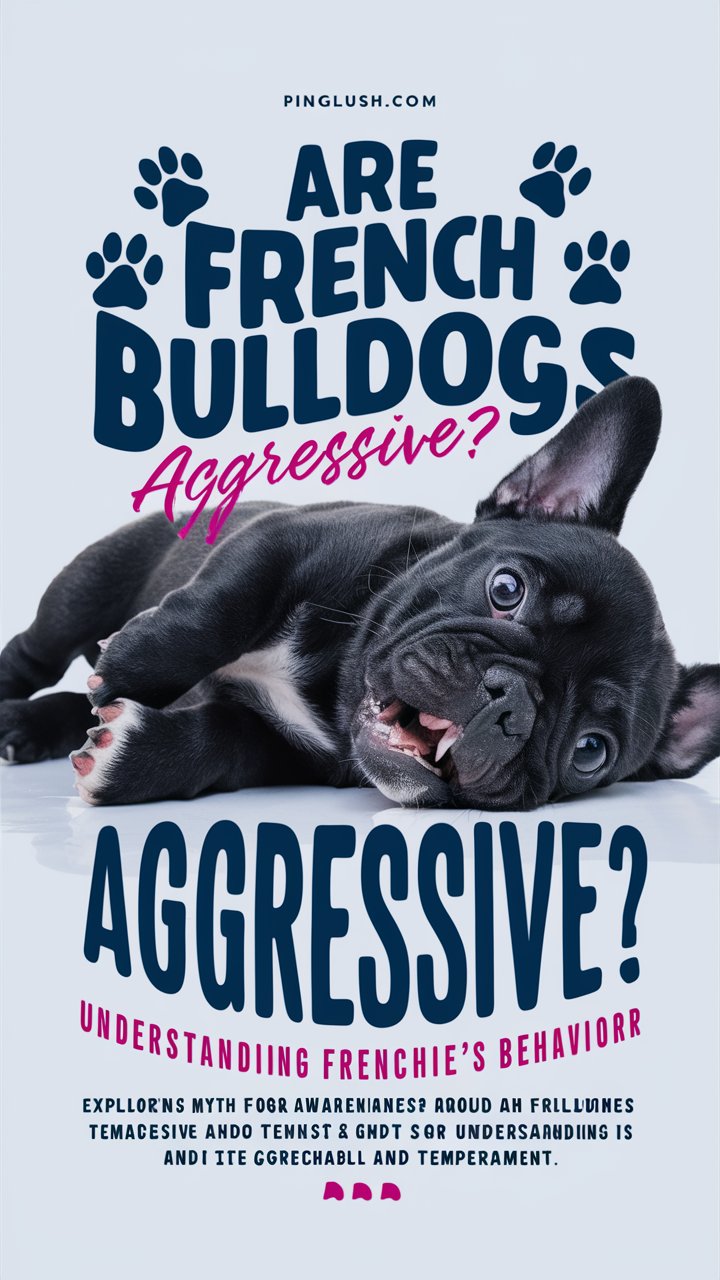
French Bulldogs are known for their playful, clownish, and affectionate personalities. But what happens when your normally sweet Frenchie suddenly growls, snaps, or bites?
If your French Bulldog is showing aggression, it can be worrying and confusing — especially when you’ve raised them with love. Don’t panic. You’re not alone, and the good news is that most cases of aggression can be solved with the right approach, patience, and understanding.
In this complete guide, you’ll learn:
✅ Why French Bulldog aggression happens
✅ The different types of aggression and what they mean
✅ Advanced behavior correction strategies
✅ Real training techniques that work
✅ How to prevent future aggression permanently
Let’s dive into the heart of what’s really going on — and how to bring back your loving, calm Frenchie.
🧩 Why French Bulldog Aggression Happens
Aggression in French Bulldogs rarely comes “out of nowhere.” It’s a response to something deeper, often linked to fear, pain, frustration, or past trauma.
Here are the 3 most common root causes — with a few advanced insights other articles miss.
1️⃣ Traumatic Experiences When Young
If your Frenchie experienced abuse, neglect, or frightening situations as a puppy, those emotional scars can last into adulthood. Even something that seems small — like a loud noise, rough handling, or being left alone too long — can cause long-term fear reactions.
Why this happens:
Dogs store memories emotionally. A single fearful moment can condition them to associate similar sights, sounds, or smells with danger.
Advanced Fix:
👉 Use desensitization therapy. Gradually reintroduce the trigger at a low level (for example, a stranger at a distance) while rewarding calm behavior with high-value treats.
👉 Keep sessions short and positive.
💡 Expert Tip: Add pheromone diffusers (like Adaptil) around the home — these mimic mother dog scents that help calm anxious or reactive Frenchies.
2️⃣ Lack of Early Socialization
French Bulldogs who didn’t meet enough people, dogs, or environments between 3–14 weeks old may struggle to trust others later in life. They see unfamiliar situations as threats rather than normal life experiences.
Signs:
- Barking at strangers
- Growling when other dogs approach
- Hiding or lunging at guests
Advanced Fix:
👉 Start gradual social confidence training — introduce your Frenchie to one new person or dog weekly in a calm setting.
👉 Pair every interaction with treats or toys to build positive associations.
👉 Avoid dog parks early on — start with neutral environments.
3️⃣ Poor or Reckless Breeding
Sadly, not every breeder prioritizes temperament. Some French Bulldogs inherit reactive or nervous traits because of poor genetic selection.
Fix:
You can’t change genetics, but you can retrain emotional responses through consistent positive reinforcement, exercise, and confidence-building activities (like scent work or agility).
💡 Expert Tip: If adopting, always research breeders who perform temperament tests and socialize litters early.
⚡ 8 Types of French Bulldog Aggression (and What Each Means)
Understanding why your Frenchie acts aggressively is step one to correcting it. Let’s break down the most common forms and how to address each:
1. Territorial or Protective Aggression
Your Frenchie feels they must guard their home, toys, or you.
Fix: Teach “place” or “settle” commands. Reward calmness when someone enters your space. Never yell — that only reinforces tension.
2. Possessive Aggression
Triggered by food, toys, or favorite spots.
Fix: Hand-feed meals occasionally to rebuild trust and reduce guarding behavior. Use “trade” commands with treats to swap items calmly.
3. Fear-Based or Defensive Aggression
Rooted in anxiety — your Frenchie bites or growls to protect themselves.
Fix: Never punish fear. Instead, reward bravery in small steps (like staying calm when seeing another dog). Combine with confidence games like “touch” training.
4. Frustration Aggression
When they want something they can’t reach — like another dog, toy, or freedom.
Fix: Practice impulse control training. Teach “wait” and “leave it.” Reward calm waiting instead of barking or lunging.
5. Redirected Aggression
When your Frenchie takes frustration out on you or another pet.
Fix: Recognize early signs (stiff body, focused eyes). Interrupt with a recall command before escalation. Keep a safe distance from triggers until trained.
6. Sexual Aggression
Hormone-driven behavior during mating seasons.
Fix: Spay or neuter if not already done. It drastically reduces hormone-related aggression and dominance behavior.
7. Pain Aggression
Sudden aggression can mean your Frenchie is hurting — from arthritis, dental pain, or injuries.
Fix: Visit a vet immediately to rule out medical issues before assuming it’s behavioral.
8. Social or Dominance Aggression
Happens when your dog challenges your leadership or another dog’s position.
Fix: Build structure — consistent feeding times, obedience drills, and calm leadership (not force). A confident, calm owner = a calm dog.
🧠 5 Proven Ways to Stop French Bulldog Aggression
Here’s how to transform your reactive Frenchie into a relaxed, balanced companion.
1️⃣ Get Professional Reactivity Training Help
Aggression cases can be tricky to manage alone.
💡 Work with a certified dog behaviorist (CPDT-KA or CDBC) who specializes in brachycephalic breeds (like Frenchies).
Online programs like K9 Training Institute or SpiritDog Training offer virtual reactivity courses — perfect for home-based learning.
2️⃣ Desensitization + Counterconditioning
The gold standard for fear-based aggression.
- Step 1: Identify the trigger (strangers, loud noises, other dogs).
- Step 2: Expose your Frenchie at a non-threatening distance.
- Step 3: Reward calmness with high-value treats.
- Step 4: Gradually decrease the distance over sessions.
This rewires their emotional response from fear → positive association.
3️⃣ More Positive Socialization
Introduce your dog to calm, balanced dogs and friendly people in controlled settings.
Avoid crowded areas early on — one safe exposure at a time builds lifelong confidence.
Try: Doggy daycare trials or structured obedience groups.
4️⃣ Mental & Physical Stimulation
Many aggressive behaviors stem from boredom or excess energy.
Add:
- Daily 2× walks
- Brain games like “find it”
- Puzzle feeders
- Obedience refreshers
A tired dog is a happy (and non-aggressive) dog.
5️⃣ Rule Out Medical Issues
Sudden aggression = red flag for pain.
Schedule a vet exam for hidden conditions: dental abscesses, ear infections, or hip pain.
⚠️ Common Mistakes to Avoid
Even well-meaning owners sometimes worsen aggression by accident. Avoid these pitfalls:
🚫 Shouting or hitting — increases fear and mistrust
🚫 Overexposure too fast — floods your dog with stress
🚫 Inconsistent discipline — confuses your dog about leadership
🚫 Ignoring early warning signs — growling is communication, not defiance
💬 Advanced Pro Tips
✅ Use calming supplements (CBD chews, L-theanine, or chamomile blends — vet-approved)
✅ Practice “structured affection”: only pet when your dog is calm, not hyper
✅ Play “trust games” — let your Frenchie earn rewards through calm eye contact
✅ Train in 10-minute sessions — frequent, short, consistent practice works best
❤️ Final Thoughts
Aggression doesn’t mean your Frenchie is a “bad dog.” It’s a cry for help — a sign of fear, frustration, or misunderstanding. With consistency, love, and structured training, you can reshape their behavior and rebuild trust.
Remember: progress takes time, but even the most reactive French Bulldog can become calm, confident, and loving again with the right guidance.