
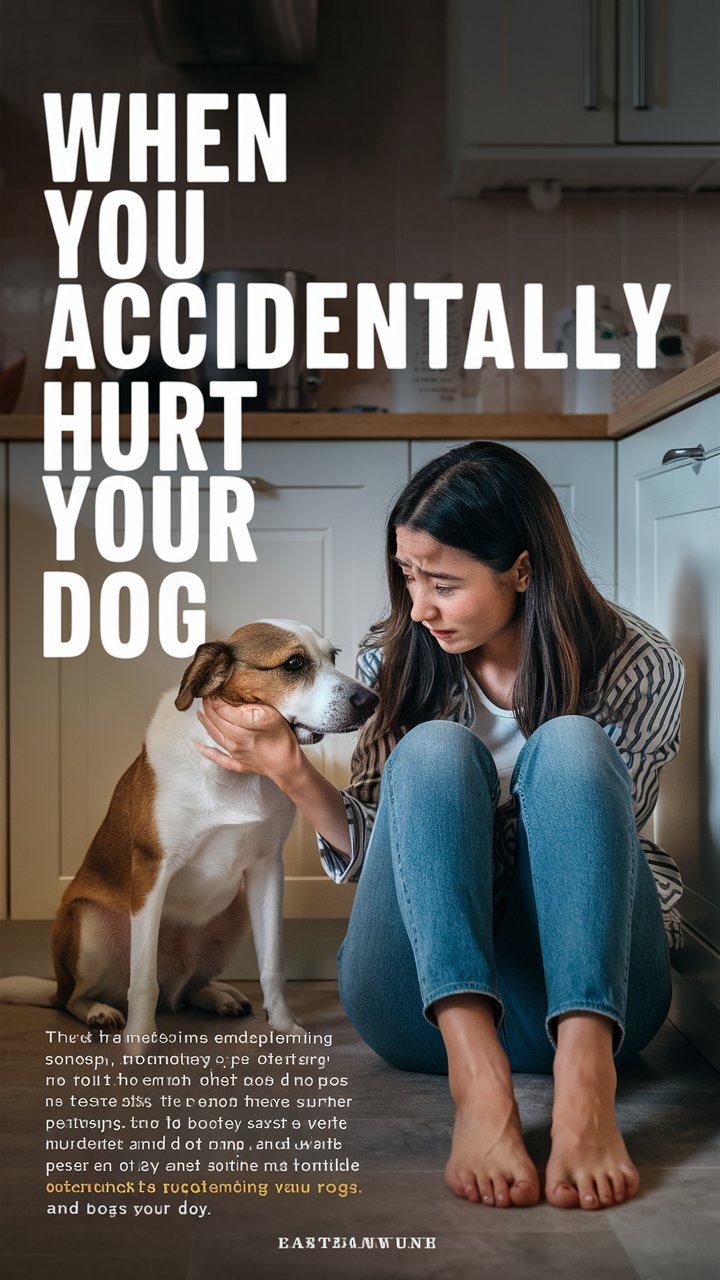
Accidentally stepping on your dog’s paw, tail, or bumping into them is something every pet owner has experienced at least once. But the big question many owners ask is: “Do dogs know it was an accident?”
The answer is yes—dogs are incredibly skilled at reading human body language, tone of voice, and facial expressions. While they may not understand “accidents” the way humans do, they’re quick to figure out your intentions.
In this article, you’ll discover:
✅ Top 3 ways dogs know you didn’t mean to hurt them
✅ How fast dogs forgive accidents
✅ Whether dogs can tell the difference between accidents & intentional harm
✅ Tips to show your dog love after an accident
✅ Advanced ways to avoid accidentally hurting your furry friend
Let’s dive in! 🐶💕
🔎 Do Dogs Understand Accidents?
Dogs may not understand the concept of “accidents” in human terms, but they do understand intentions. They know the difference between aggression and clumsiness because they rely heavily on:
- Body Language → Aggressive stance vs. apologetic gestures.
- Tone of Voice → Harsh, yelling tones vs. soft, soothing tones.
- Facial Expressions → Angry vs. sad or caring looks.
👉 In short, if you step on your dog by mistake and quickly apologize in a gentle voice while showing care, they’ll sense you didn’t mean harm.
🐕 Top 3 Ways Dogs Know You Hurt Them by Accident
1. Your Body Language
Dogs are experts at reading posture and movements.
- If you intentionally meant harm, your body would be tense, fast, and threatening.
- If it’s an accident, your body shows surprise, softness, or even guilt.
Pro Tip: Kneel down to your dog’s level after an accident to reassure them with calm energy.
2. Your Tone of Voice
Your voice communicates more than words.
- Angry, loud, or scolding tones = danger or punishment.
- Soft, apologetic, high-pitched tones = comfort & safety.
Dogs instantly pick up on these subtle vocal changes.
3. Your Facial Expressions
Studies show dogs can read human facial expressions almost like toddlers.
- Angry face = possible threat.
- Sad or concerned face = reassurance.
So when you give your dog those “I’m sorry” eyes with a gentle smile, they know you care.
🕒 How Fast Do Dogs Forgive Accidents?
The good news? Dogs forgive very quickly.
- A one-time accident (like stepping on a paw) will not damage your bond.
- After a few cuddles or treats, most dogs move on within minutes.
- Unlike humans, dogs don’t hold grudges.
⚠️ However, repeated accidental harm (like constantly stepping on them, pulling leash harshly, or rough play) can cause anxiety or distrust.
❓ Do Dogs Know the Difference Between Accident & On Purpose?
Yes! Dogs combine all their senses to judge your intentions.
- If you yell, stomp, or push aggressively → they know it’s intentional.
- If you react calmly with soothing gestures → they sense it was an accident.
👉 The key is your reaction immediately after the incident. Overreacting or yelling at yourself can confuse them. Stay calm, comfort them gently, and move on.
❤️ Does My Dog Still Love Me After I Hurt Them Accidentally?
Absolutely! Dogs are loyal, loving creatures. While they may be startled or cautious for a moment, they don’t “hate” you after accidents.
Some may even come to comfort you if they sense you’re upset about it.
Pro Tip: After an accident, offer affection (gentle pets, soothing words, or a favorite treat). This reinforces your bond.
🐾 How to Show Your Dog It Was an Accident
Here’s what you can do right after:
- Use a gentle, apologetic voice (“It’s okay, buddy”).
- Show a calm face (no anger, no panic).
- Give them a hug, scratch, or small treat.
- Keep your energy relaxed, so they don’t sense stress.
Dogs mirror your emotions. If you’re calm, they’ll relax faster.
✅ Top 5 Ways to Avoid Hurting Your Dog by Accident
- Get a Noisy Collar (for Small Dogs)
- A bell or tag helps you track their location, especially if they love being underfoot.
- Create a Safe Sleeping Spot
- Encourage your dog to nap away from high-traffic areas. Place a cozy bed in a quiet corner.
- Be Gentle in Play
- Avoid overly rough play or pulling toys too hard, especially with small breeds.
- Mind the Leash
- Jerking the leash can strain your dog’s neck. Instead, use gentle corrections and consider a harness for safety.
- Be Aware of Your Strength
- Remember: even small accidental movements from humans can hurt. Move carefully when your dog is close.
📝 Advanced Insights (Weak Point Fix)
Most articles stop here—but let’s go deeper:
- Breed Differences: Some breeds (like toy breeds or sighthounds) are more fragile, so even small accidents can hurt them more.
- Age Factor: Puppies and senior dogs are more sensitive—puppies because their bones are soft, seniors due to arthritis or joint pain.
- Training Tip: Teach commands like “move” or “back” to prevent them from being constantly underfoot.
- Emotional Recovery: Dogs not only forgive but may also grow closer after seeing your care post-accident.
🎯 Concluding Reflections: Key Takeaways
- Dogs know when you accidentally hurt them by reading your body language, tone, and facial expressions.
- They forgive quickly, but repeated accidents can harm trust.
- A calm, loving response helps reassure them instantly.
- Prevent accidents by giving them safe spaces and being mindful during play, walks, and daily activities.
👉 Remember: No dog lover intentionally hurts their pup. Accidents happen, but your furry friend loves you unconditionally and will keep trusting you as long as you show care and kindness.