
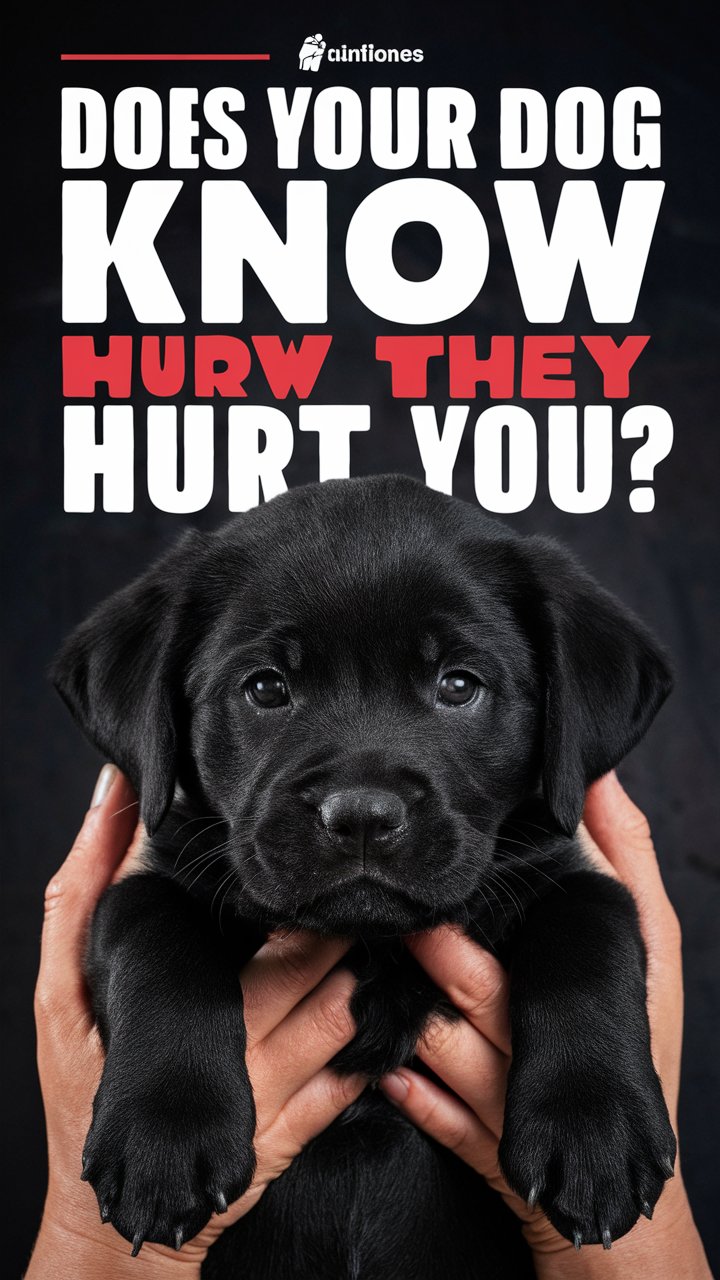
Dogs are incredible companions, deeply connected with our emotions. But sometimes, during play, they may accidentally scratch, nip, or bite harder than intended. This often leaves dog owners wondering: “Does my dog actually know they hurt me?”
The truth is, while dogs don’t feel guilt in the human sense, they are masters at reading our emotions. They might not understand why you’re upset, but they certainly notice the change in your mood, tone, and body language — and they respond to it in their own unique ways.
In this guide, we’ll cover:
- ✅ Do dogs really understand when they hurt you?
- ✅ Why dogs can’t feel guilt like humans
- ✅ 10 signs your dog knows something is wrong
- ✅ Expert insights backed by science
- ✅ Practical tips to stop rough play accidents
- ✅ FAQs dog owners ask about this topic
Let’s dive in.
🧠 Do Dogs Understand When They Hurt You?
Short answer: Not exactly.
Dogs don’t have the cognitive ability to fully process complex emotions like guilt or shame. According to Dr. Alexandra Horowitz (Barnard College, Columbia University), most “guilty dog” looks are actually fear or submissive behaviors — not real guilt.
However, dogs are experts at:
- Recognizing sudden mood changes
- Reading facial expressions
- Interpreting tone of voice
- Picking up on body language
So, when you yelp in pain or suddenly stop playing, your dog may not directly know they caused the pain, but they do realize something changed — and they react.
😔 Do Dogs Feel Guilt? Science Says No
- Dogs can feel basic emotions like happiness, fear, anger, and excitement.
- But secondary emotions (guilt, shame, pride) require higher self-awareness that dogs don’t possess.
- What looks like “guilt” is usually fear or submission, often based on past experiences of being scolded.
Example: Your pup looks away, tucks their tail, or hides when you’re upset. That’s not guilt — it’s their way of avoiding conflict.
🐕 10 Signs Your Dog Knows Something’s Wrong
Here are the most common ways dogs react when they sense they’ve upset you:
- They stop playing suddenly – noticing your shift in energy.
- They stare at you, puzzled – trying to read your face for cues.
- They lick you (“kiss it better”) – instinctive way to comfort you.
- They bring you a toy – offering peace or distraction.
- Their tail tucks between legs – a classic sign of submission.
- They cower or hide – showing avoidance when they sense anger.
- They hide behind another family member – seeking comfort and protection.
- They roll onto their back – the ultimate submissive gesture.
- They whine or whimper – vocalizing confusion or concern.
- They follow you closely – making sure they’re still connected with you.
💡 4 Advanced Tips to Prevent Accidental Hurts
- Train Gentle Play Early
- Teach puppies bite inhibition and discourage finger-nipping.
- Use Safe Toys
- Redirect rough energy to tug ropes, chew toys, or balls instead of your hands.
- Stay Calm When Hurt
- Yelling or overreacting can confuse or scare your dog. Instead, end play calmly.
- Regular Nail & Dental Care
- Trim nails to reduce scratches and check teeth for sharp edges or issues.
📌 Expert Insights (Going Beyond Basics)
- Dogs and Empathy: Studies show dogs may display empathetic behaviors, like comforting a crying owner, even if they don’t fully understand guilt.
- Body Language Decoding: Observing micro-signals (ears back, lip licking, yawning) can help you understand their emotional state better.
- Comparisons with Wolves: Wolves also rely on submission cues in packs — dogs have inherited this instinct to maintain harmony with their “human pack.”
❓ FAQs: Do Dogs Know When They Hurt You?
Q: Why does my dog look guilty even if they didn’t do anything?
A: They’re reacting to your body language, not to what they did.
Q: Can dogs sense pain in humans?
A: Yes, they can detect changes in tone, posture, even smell changes from stress hormones.
Q: Should I punish my dog if they hurt me?
A: No. Instead, calmly stop play and redirect their energy to toys. Punishment only creates fear, not learning.
🐾 Closing Thoughts
Dogs may not “know” they’ve hurt you in the same way humans understand guilt. But what they do know is that your mood has shifted — and they often try their best to make it right in their own loving way.
By training gently, staying calm, and learning to read their body language, you can prevent rough play accidents while strengthening the incredible bond you share with your furry friend.