
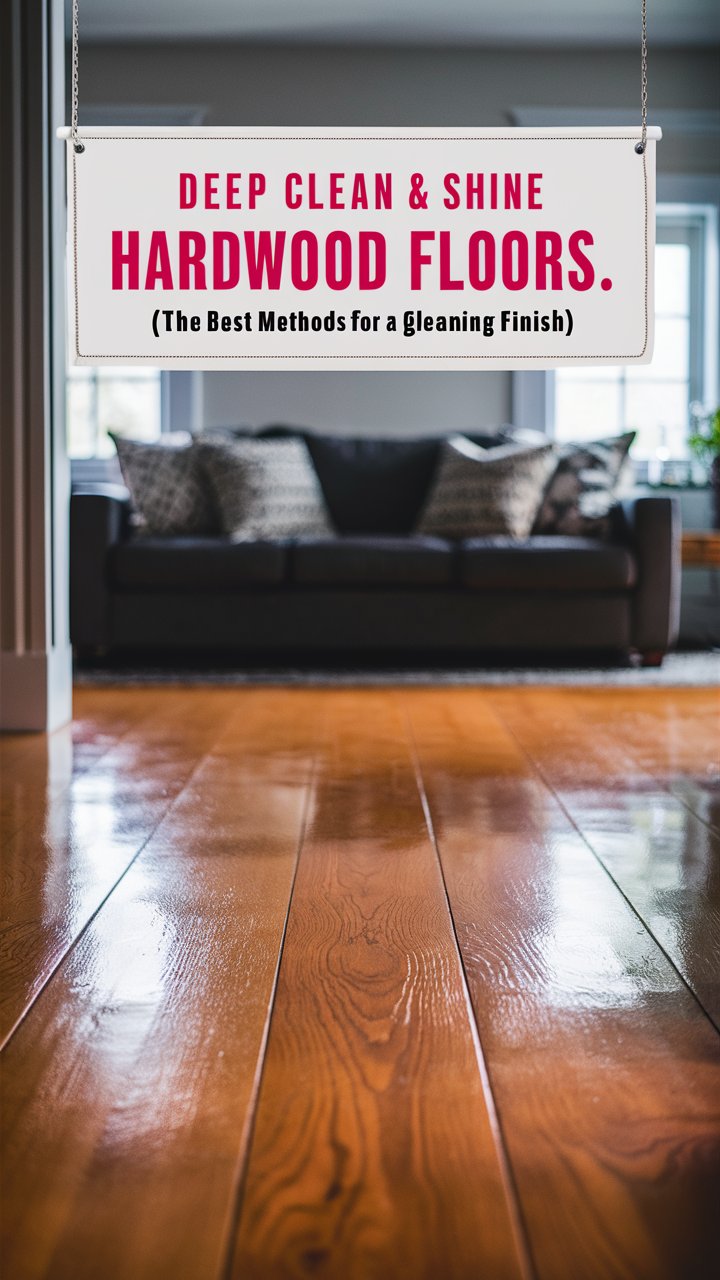
Wood floors are one of the most timeless and elegant choices for any home. They add warmth, character, and style—but keeping them spotless and damage-free can feel like a never-ending battle, especially if you have pets, kids, or high foot traffic.
Don’t worry—you don’t need to be a professional cleaner to maintain that beautiful, glossy finish. With the right techniques, products, and a little consistency, you can keep your hardwood floors looking like they were installed yesterday.
This guide will walk you through 12 expert-approved cleaning and maintenance hacks that not only protect your investment but also save you time, effort, and money.
Why Proper Wood Floor Care Matters
Hardwood flooring can last decades—sometimes over 100 years—if cared for correctly. But improper cleaning habits (like using too much water or harsh chemicals) can lead to:
- Warping and swelling
- Scratches and dullness
- Permanent stains
- Costly refinishing or replacement
That’s why following safe and effective cleaning methods is essential.
1. Sweep or Vacuum Daily – Dust Is Your Enemy
Dust and grit act like fine sandpaper, scratching your wood floors over time. Even small particles you can’t see cause micro-abrasions that dull the finish.
Best Tools:
- Microfiber dust mop – traps dust without scratching.
- Vacuum with hardwood setting – make sure it has a soft brush attachment to prevent damage.
✅ Pro Tip: If you have pets, sweep daily. Otherwise, 3–4 times a week is enough for most households.
2. Avoid Excess Water at All Costs
Wood is highly sensitive to moisture. Even small puddles can seep in, causing warping, cupping, or swelling.
The Right Way to Mop:
- Use a damp, not wet, microfiber mop.
- Wring out excess water before each pass.
- For deep cleaning, use a wood-safe cleaner instead of plain water.
⚠ Warning: Never steam mop hardwood floors—heat and moisture together can permanently damage them.
3. Skip Harsh Chemicals – Go Gentle
Bleach, ammonia, and oil soaps may promise a deep clean, but they can strip protective finishes and discolor your flooring.
Safe Options:
- Commercial hardwood cleaner like Bona® or Method® Wood Floor Cleaner.
- DIY mix: 1 part white vinegar + 10 parts water with a few drops of essential oil for fragrance.
⚠ Note: Vinegar is safe for sealed floors, but avoid it on waxed or unfinished wood—it can dull the surface.
4. Buff for a Professional-Grade Shine
Once you’ve mopped, don’t just leave it—buffing brings out the natural beauty of your floors.
How to Buff:
- Use a dry microfiber cloth or towel.
- Move in the direction of the wood grain.
- Focus on high-traffic areas for extra shine.
Think of it as giving your floor a spa day—it makes a huge difference.
5. Protect High-Traffic Areas
Your kitchen, hallway, and entryway take the most abuse. Without protection, these areas will lose their luster much faster.
Easy Solutions:
- Add area rugs or runners with non-slip backing.
- Use felt pads under every piece of furniture.
- Enforce a no-shoes rule inside the house.
6. Clean Spills Immediately
The longer a spill sits, the more likely it is to stain or damage your wood.
Quick Response:
- For sticky spills: use a damp cloth with mild soap.
- For oily spills: sprinkle baking soda, let it absorb, then wipe clean.
7. Remove Scuffs with Household Items
Scuffs are unavoidable—but easy to fix.
Two Fast Fixes:
- Rub the spot with a tennis ball.
- Make a baking soda paste and gently rub with a soft cloth.
Both methods are chemical-free and safe for your floors.
8. Schedule Deep Cleans
Even if you clean regularly, a deep clean every 1–2 months removes hidden grime.
Steps for Deep Cleaning:
- Sweep or vacuum thoroughly.
- Apply wood floor cleaner section by section.
- Wipe with a damp cloth before it dries.
- Buff for a streak-free finish.
9. Repair Scratches Without Refinishing
Light scratches can be treated at home:
- Walnuts: Rub over the scratch to release natural oils.
- Wood markers: Match the floor color and fill in the scratch.
Deeper scratches may require sanding and refinishing by a professional.
10. Polish for Long-Term Protection
Polish not only enhances shine—it creates a protective barrier.
How to Polish:
- Use a water-based wood floor polish.
- Apply with a microfiber mop.
- Let it dry completely before walking on it.
✅ Best frequency: every 2–3 months for high-traffic homes.
11. Move Furniture the Right Way
Dragging furniture is a scratch disaster waiting to happen.
Best Practice:
- Use furniture sliders when moving heavy items.
- Check felt pads regularly and replace if worn.
12. Maintain Proper Humidity Levels
Wood floors expand and contract with changes in humidity.
- Ideal range: 35–55% humidity.
- Use a humidifier in winter and a dehumidifier in summer to prevent warping or cracking.
Seasonal Care Tips
- Winter: Sweep daily to remove salt and sand from shoes.
- Spring/Summer: Control indoor humidity to prevent swelling.
- Rainy Season: Keep entry mats at all doors to stop water tracking.
Final Thoughts
Caring for wood floors isn’t about perfection—it’s about consistent, gentle maintenance. With these 12 expert hacks, you’ll:
- Save money on repairs
- Keep your floors looking new for years
- Enjoy that warm, inviting wood glow every day
Your wood floors are an investment—treat them like one. ✨