
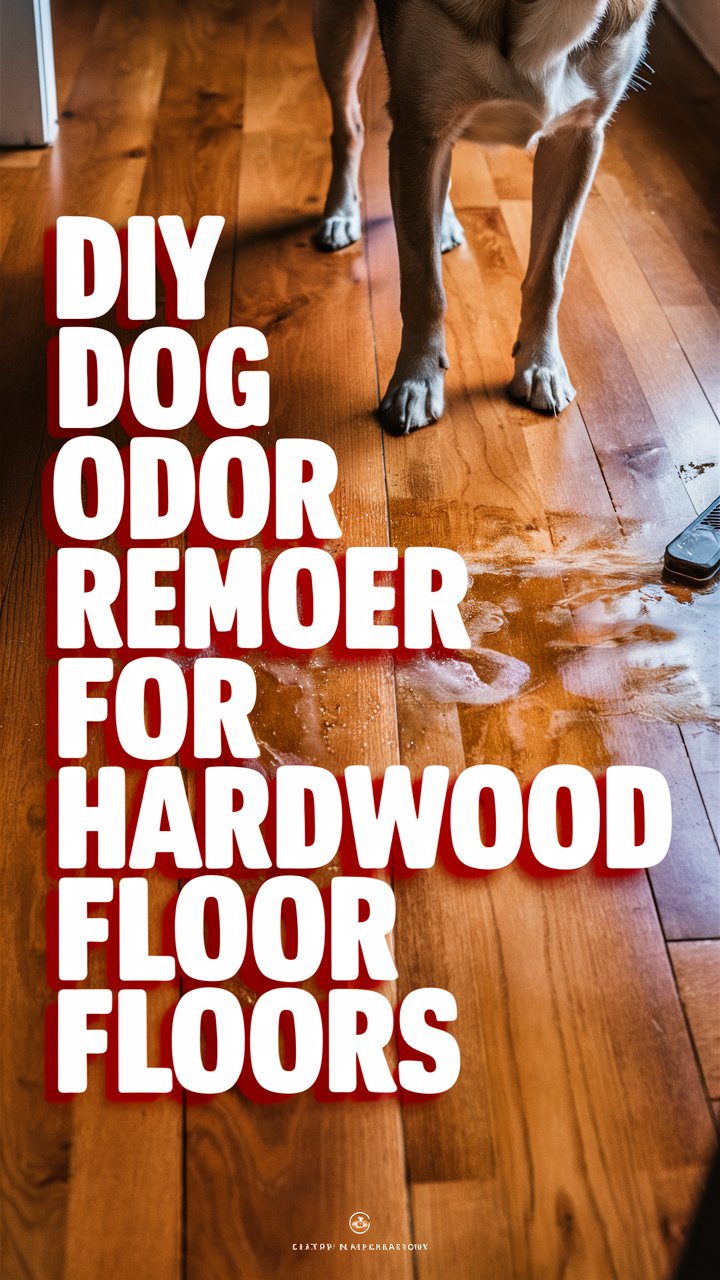
Accidents happen — whether it’s a curious puppy, an aging senior dog, or just a “whoops” moment. Unfortunately, when dog urine meets hardwood floors, it’s more than just a mess; it’s a race against time to prevent stains, odors, and permanent damage.
The good news? You can restore your floors to their original beauty — without harsh chemicals or expensive repairs — by following the right steps. Here’s your complete, pro-level guide to removing dog pee from hardwood floors and preventing it from coming back.
Step 1: Act Immediately to Prevent Stains
Dog pee can penetrate wood fibers quickly, causing deep stains and unpleasant odors. The faster you clean it, the better the outcome.
Do this immediately:
- Use paper towels or a microfiber cloth to blot (not rub) the urine.
- Work from the outside in to avoid spreading it further.
- If the area is large, gently press down with your foot to absorb as much liquid as possible.
🚫 Avoid: Scrubbing hard — this can push urine deeper into the grain.
Step 2: Neutralize Odor Without Damaging the Finish
Odor removal is crucial — if your dog can smell even the faintest trace, they’ll likely return to the spot.
Safe DIY Odor Neutralizer:
- Mix 1 cup white vinegar + 1 cup lukewarm water in a spray bottle.
- Add 2–3 drops of mild dish soap for cleaning power.
- Spray lightly on the area and let sit for 5–7 minutes.
- Wipe with a dry cloth.
Advanced Tip: For premium hardwood finishes, use a pH-balanced wood floor cleaner instead of vinegar to avoid dulling the shine.
Step 3: Eliminate Stubborn Odors with Baking Soda
Even after cleaning, deep urine smells can linger. Baking soda absorbs odors naturally.
- Sprinkle baking soda over the area.
- Leave it overnight for maximum effect.
- Vacuum using a soft-brush attachment the next morning.
Pro Hack: For high-traffic spots, place an absorbent pet mat while the baking soda works to prevent tracking it around.
Step 4: Disinfect Safely with Enzyme Cleaners
Dog urine isn’t just smelly — it can harbor bacteria. Enzyme-based cleaners break down proteins in urine, removing both the smell and the bacteria.
How to use:
- Spray generously on the affected area.
- Let it sit for the time listed on the label (usually 10–15 mins).
- Wipe dry with a soft cloth.
💡 Pro Tip: Always test in a hidden spot first to ensure the cleaner doesn’t affect the floor’s finish.
Step 5: Remove Set-In Stains with Hydrogen Peroxide
If urine has left a dark stain:
- Soak a cloth in 3% hydrogen peroxide.
- Place it over the stain and cover with plastic wrap.
- Let sit for 3–4 hours, checking periodically.
- Once lightened, clean with a damp cloth and dry immediately.
⚠ Caution: Hydrogen peroxide can lighten wood color — monitor closely.
Step 6: Restore Shine & Protect the Floor
After cleaning, restore your floor’s beauty and protect it from future mishaps:
- Apply a wood-safe polish or floor wax to the area.
- Keep your dog’s nails trimmed to reduce scratches.
- Consider sealing your hardwood with a water-resistant polyurethane for long-term protection.
Step 7: Prevent Future Accidents
Prevention saves time, stress, and money.
- Regular Potty Breaks: Puppies & senior dogs may need breaks every 2–3 hours.
- Pee Pads & Mats: Place them in high-risk areas.
- Training Reinforcement: Reward your dog for outdoor bathroom trips.
- UV Light Check: Use a UV flashlight monthly to spot hidden urine before it sets.
What NOT to Do
Avoid these mistakes when cleaning dog pee from hardwood:
- ❌ Using ammonia-based cleaners — they mimic urine smell and can encourage repeat accidents.
- ❌ Soaking wood with water — moisture damages wood fibers and causes warping.
- ❌ Using steam mops — heat and moisture can push urine deeper into the grain.
Final Thoughts
Cleaning dog pee from hardwood floors doesn’t have to be a nightmare. By acting fast, using safe and effective cleaners, and taking preventative measures, you can keep your floors spotless and odor-free.
Accidents happen — but with the right approach, your home can stay fresh, clean, and paw-approved. 🐾