
Focus Keyword:
Can French Bulldogs Be Left Home Alone
Slug:
can-french-bulldogs-be-left-home-alone
Short Meta Description (under 155 characters):
Learn the truth about leaving your French Bulldog home alone safely. Expert tips, anxiety fixes & real owner strategies. (See all on our blog)
🐾 Introduction: The Frenchie Dilemma
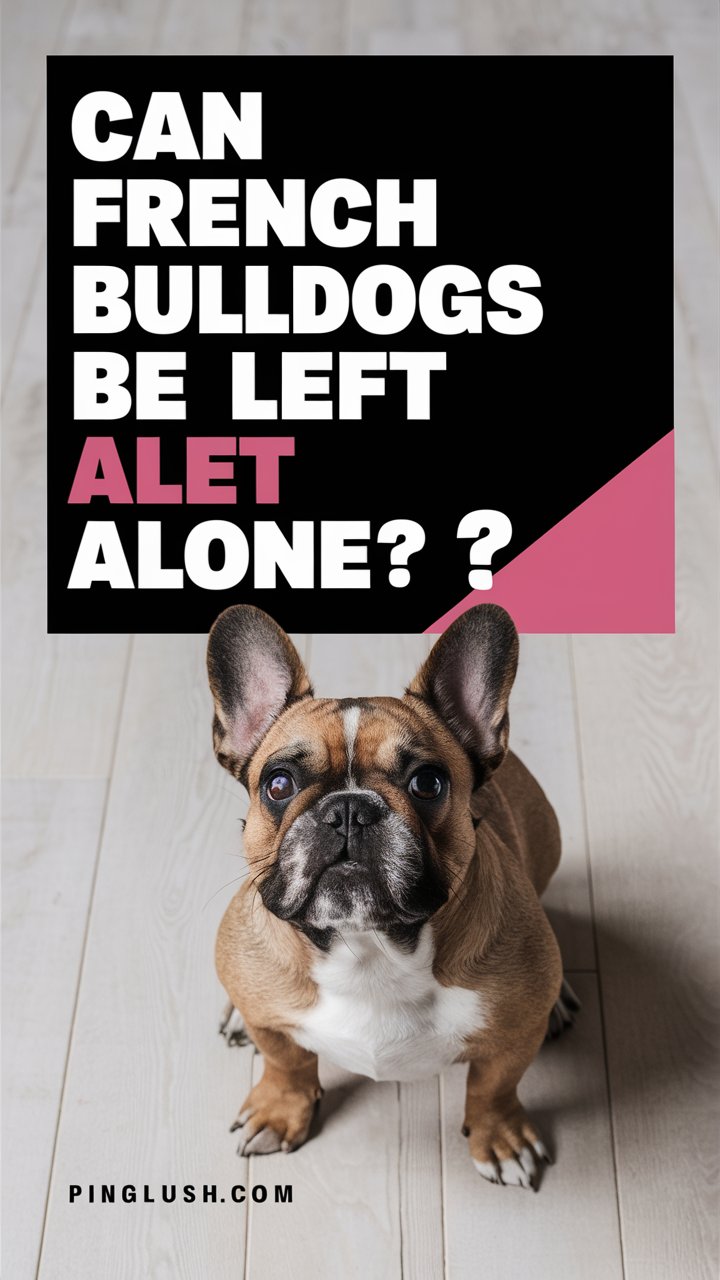
You grab your keys, slip on your shoes, and your French Bulldog gives you that look — those big, soulful eyes that scream, “You’re leaving me?”
If you’re a Frenchie parent, you’ve likely faced the guilt and worry of leaving your pup home alone. French Bulldogs are affectionate, people-loving companions — but does that mean they can’t be left alone at all?
Here’s the truth: French Bulldogs can be left home alone — but not without preparation, patience, and smart training.
In this guide, you’ll discover:
- How long your Frenchie can safely stay home alone
- The truth about separation anxiety
- Expert behavioral training methods
- Modern tools to make alone time stress-free
- Advanced tips for working owners
Let’s dive into everything you need to know to keep your Frenchie safe, calm, and happy — even when you’re not home.
🕒 Can French Bulldogs Be Left Home Alone?
Yes — French Bulldogs can be left home alone, but not as easily as independent breeds like Huskies or Labradors.
Frenchies are companion dogs bred to be close to their humans. They crave attention and emotional connection. When left alone too long without guidance, they can become anxious, vocal, or destructive.
But the good news? With the right approach, your Frenchie can learn to relax and enjoy alone time safely.
⏳ How Long Is Too Long for a French Bulldog to Be Left Alone?
Let’s break it down by age and training level:
| Frenchie Age/Condition | Maximum Time Alone | Notes |
|---|---|---|
| Puppy (8–16 weeks) | 1–2 hours | Needs frequent potty breaks & socialization |
| Adolescent (4–9 months) | 3–4 hours | Begin independence training gradually |
| Adult (1–6 years) | 6–8 hours | Only if properly crate-trained & exercised |
| Senior (7+ years) | 4–6 hours | Needs more comfort & potty access |
💡 Pro Tip:
If you work long hours, schedule a midday visit — either a dog walker, sitter, or neighbor check-in.
A dog camera or automatic treat dispenser (like Furbo or Petcube) can also help you interact remotely.
🧠 Understanding the French Bulldog’s Mindset
French Bulldogs are emotionally intelligent. They thrive on routine, attention, and reassurance.
When suddenly left alone, they may feel:
- Abandoned
- Confused about what’s happening
- Fearful of being separated from their “pack leader” (you)
This is why separation anxiety is one of the most common behavioral issues in Frenchies.
💔 French Bulldog Separation Anxiety: Signs and Solutions
Common Signs:
- Excessive barking or whining after you leave
- Destructive chewing (furniture, shoes, doors)
- Indoor accidents despite being potty trained
- Trembling, pacing, or panting
- Extreme excitement or clinginess when you return
Why It Happens:
- Over-attachment due to constant companionship
- Lack of alone-time training during puppyhood
- Past trauma or neglect (for adopted dogs)
- Irregular schedules and inconsistent boundaries
🧩 Weak Point From Original Article (Fixed Here)
👉 The original content mentioned anxiety but lacked real behavior science and step-by-step desensitization methods.
Below is a scientifically grounded, expert-level solution you can actually follow:
🧘♀️ Step-by-Step: Training Your French Bulldog to Stay Alone Comfortably
Step 1: Desensitize Their Triggers
Dogs are pattern learners. Your Frenchie knows your “leaving routine”: grabbing keys, putting on shoes, or picking up your bag.
🔹 Fix:
- Start doing these actions without leaving — grab your keys, sit down, and watch TV.
- Gradually desensitize them so these cues stop triggering panic.
Step 2: Build Independence in Short Sessions
Start with just 2–3 minutes of separation and gradually increase the time.
- Leave the room, return calmly.
- No over-the-top goodbyes or greetings.
- Reward calm behavior with gentle praise or treats.
⏱️ Slowly extend separation periods up to 30–60 minutes before attempting longer absences.
Step 3: Make Their Alone Time Positive
Turn alone time into a reward, not a punishment.
✅ Leave them with:
- Interactive puzzle toys (like KONG filled with frozen peanut butter)
- Long-lasting chew sticks
- Comforting music or dog-calming sounds (Spotify even has pet playlists!)
- Your worn T-shirt — the scent provides comfort and familiarity.
Step 4: Use Crate Training Wisely
Crate training isn’t cruel — it’s a safe, den-like space when done right.
- Introduce the crate as a “fun zone” with treats and toys.
- Never use it for punishment.
- Keep it in a quiet area, not complete isolation.
Over time, your Frenchie will retreat to their crate voluntarily when tired or anxious.
Step 5: Exercise Before You Leave
A tired dog is a calm dog.
Frenchies need moderate exercise — a 20–30 minute walk, play session, or puzzle challenge before you leave can help burn off energy.
This helps your dog rest rather than stress while you’re away.
🩺 Can You Leave a Sick or Injured French Bulldog Alone?
Absolutely not.
If your Frenchie is recovering from illness, surgery, or injury, never leave them alone for extended hours.
🚨 Risks:
- They may reopen wounds, vomit, or choke without help.
- Medication schedules could be disrupted.
💡 Solution:
Arrange a trusted sitter, family member, or pet care service for supervision during recovery.
🏡 Should You Give Your French Bulldog Access to the Whole House?
The original article’s advice was basic — here’s the advanced behavioral version:
Start small and earn trust.
- Limit access initially (like to one safe room).
- Gradually expand territory as your Frenchie proves reliable.
- Use dog gates to separate off-limits areas.
This prevents destruction and builds confidence in manageable steps.
🐕🦺 Should You Get a Second Dog for Company?
Frenchies love companionship — but adding another dog should be a well-thought-out decision, not just to cure loneliness.
✅ A second pet helps if:
- Both dogs are socialized properly
- You’re away frequently
- You can manage double the expense and care
🚫 Avoid if:
- Your Frenchie is possessive or territorial
- You have limited time for introductions and supervision
If possible, introduce them through neutral territory (like a park) before making them roommates.
🎓 Advanced Tips for Working Frenchie Owners
If you’re gone 8+ hours a day, here are real-world strategies that work:
1. Use Technology
- Pet Cameras (Furbo, Petcube, Eufy): See, talk, and toss treats remotely.
- Smart Feeders: Schedule meal times automatically.
- Home Sensors: Track temperature and humidity (important for short-nosed breeds).
2. Midday Help
- Hire a dog walker or pet sitter 2–3 times per week.
- Ask a trusted neighbor to drop in for 15 minutes.
3. Consistent Routine
- Dogs thrive on predictability.
- Feed, walk, and leave around the same time daily.
- Consistency builds emotional stability.
🌿 Natural Calming Aids (Vet-Approved Options)
If your Frenchie still struggles despite training, these gentle solutions can help:
- Dog calming sprays or diffusers (Adaptil)
- L-Theanine supplements for anxiety relief
- CBD treats (vet-approved)
- Lavender aromatherapy (mild, supervised use only)
⚠️ Always consult your veterinarian before starting supplements.
📱 Modern Alone-Time Essentials Checklist
| ✅ Must-Have | 💡 Purpose |
|---|---|
| Interactive Toy (KONG) | Keeps them mentally busy |
| Pet Camera | Monitors activity remotely |
| Soft Blanket / Shirt | Comforts with your scent |
| White Noise or Music | Masks outside sounds |
| Frozen Treat Puzzle | Occupies them for hours |
❤️ Emotional Side: Why Frenchies Miss You So Much
Your Frenchie isn’t just being dramatic — they genuinely form deep emotional bonds.
Studies show that French Bulldogs recognize their owner’s scent and voice frequencies even after long absences. This bond is part of their charm — and their challenge.
But remember, independence can be taught.
When your Frenchie learns that you always return, their anxiety slowly fades into trust.
🏁 Conclusion: Alone, But Not Lonely
Leaving your French Bulldog alone doesn’t have to be heartbreaking.
With proper training, structure, and love, your little companion can stay calm and confident — even when you’re not around.
So next time you reach for your keys, take a deep breath. You’re not abandoning your pup — you’re teaching them to be brave, patient, and balanced.
And when you walk back through that door, those happy wiggles will remind you: it was worth it.