
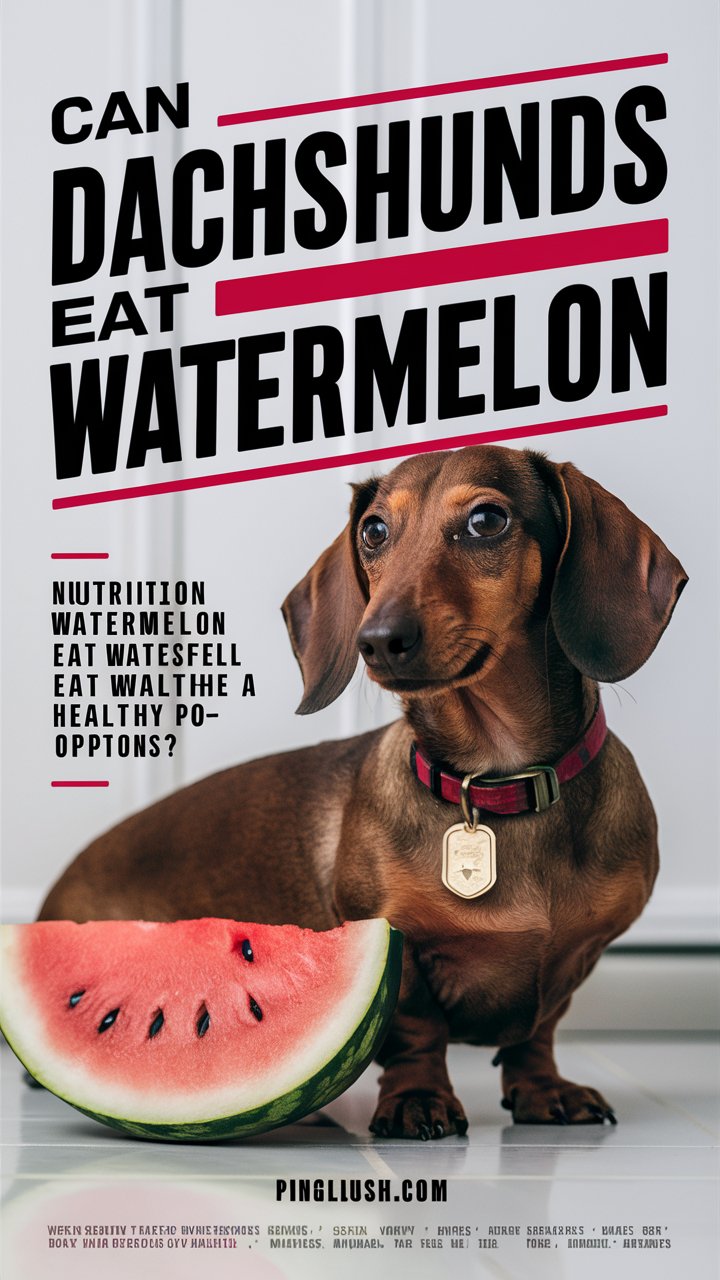
Watermelon is a summertime favorite for humans, known for its juicy sweetness and hydrating properties. But if you’re a Dachshund owner, you might be wondering: can my dog safely enjoy watermelon too?
The answer is yes—but with caution. Dachshunds can enjoy watermelon as an occasional treat when prepared properly. This article provides an in-depth, evidence-based guide to feeding watermelon to your Dachshund, including its health benefits, potential risks, proper feeding techniques, and expert tips to keep your pup safe and healthy.
Table of Contents
- Can Dachshunds Eat Watermelon?
- 3 Dangers of Feeding Watermelon to Dachshunds
- Watermelon Seeds
- Watermelon Rind/Skin
- Overeating Watermelon
- What to Do If Your Dachshund Eats the Seeds or Rind
- How Much Watermelon Can a Dachshund Eat?
- 9 Health Benefits of Watermelon for Dachshunds
- Hydration
- Nutrient and Plant Compound Boost
- Muscle Soreness Relief
- Heart Health
- Improved Digestion
- Anti-Cancer Properties
- Skin and Coat Health
- Eye Health
- Reducing Inflammation & Oxidative Stress
- Advanced Feeding Techniques & Treat Ideas
- Weak Points in Common Watermelon Feeding Advice
- Expert Tips to Maximize Benefits & Safety
- FAQs About Dachshunds and Watermelon
- Conclusion
1. Can Dachshunds Eat Watermelon?
Yes, Dachshunds can eat watermelon—but only without the seeds, rind, or skin. Watermelon is naturally low in calories and packed with essential nutrients like vitamins A, B6, and C, potassium, magnesium, iron, fiber, antioxidants, and amino acids.
Key Takeaway: Watermelon can be a hydrating, nutrient-rich treat for Dachshunds when fed correctly and in moderation.
2. 3 Dangers of Feeding Watermelon to Dachshunds
Despite its health benefits, feeding watermelon to your Dachshund comes with risks if not handled properly.
2.1 Watermelon Seeds
- Seeds can cause intestinal blockages, especially in small breeds like Dachshunds.
- Hard seeds are difficult to digest and may lead to vomiting, constipation, or lethargy if swallowed.
Tip: Always remove all seeds before serving watermelon to your dog.
2.2 Watermelon Rind/Skin
- The rind and skin are tough and indigestible.
- If swallowed, large pieces can cause intestinal obstruction, a medical emergency.
Tip: Only feed the soft red or pink flesh.
2.3 Overeating Watermelon
- Watermelon contains natural sugars, which can raise blood sugar levels if overfed.
- Overfeeding may lead to weight gain, diarrhea, or digestive upset.
- Dachshunds are prone to obesity, making portion control especially important.
Tip: Stick to the 90/10 rule—90% of daily intake from dog food, 10% from treats.
3. What to Do If Your Dachshund Eats Seeds or Rind
If your dog accidentally eats seeds or rind:
- Monitor for vomiting, lethargy, constipation, or abdominal pain.
- Ensure your dog stays hydrated.
- Seek veterinary attention immediately if symptoms persist.
Pro Tip: Early detection of intestinal blockages is critical for small breeds like Dachshunds.
4. How Much Watermelon Can a Dachshund Eat?
- Start with tiny pieces to test your dog’s tolerance.
- A safe serving is roughly 2-3 one-inch cubes per treat session, keeping within the 10% daily treat limit.
- Gradually increase quantity only if your dog tolerates it well.
Advanced Tip: Use frozen cubes as hydrating summer treats, which can slow eating and prevent digestive upset.
5. 9 Health Benefits of Watermelon for Dachshunds
5.1 Helps Keep Your Dachshund Hydrated
Watermelon is 92% water, making it an excellent way to boost hydration, regulate body temperature, and support organ function.
5.2 Packed With Nutrients and Beneficial Plant Compounds
- Vitamin A: Supports skin, coat, muscle, and nerve health.
- Vitamin B6: Regulates hormones, neurotransmitters, and protein metabolism.
- Vitamin C: Boosts immunity and acts as an antioxidant.
- Potassium & Magnesium: Promote heart, kidney, and muscle function.
- Fiber: Supports digestion and bowel regularity.
- Lycopene & Amino Acids (like Citrulline): Support cardiovascular health, vision, and cellular repair.
Advanced Insight: Citrulline may enhance blood flow and reduce muscle soreness, particularly useful for older or active Dachshunds.
5.3 May Relieve Muscle Soreness
- Citrulline relaxes blood vessels, improving oxygen delivery to muscles.
- Helps accelerate recovery after exercise or play sessions.
5.4 May Improve Heart Health
- Lycopene and citrulline help lower blood pressure and cholesterol levels.
- Magnesium, potassium, and antioxidants further support cardiovascular function.
5.5 May Improve Digestion
- Watermelon’s water + fiber combination aids digestion and prevents constipation.
- Can act as a gentle, natural anti-constipation snack.
5.6 May Have Anti-Cancer Effects
- Lycopene and cucurbitacin E may help protect cells from oxidative damage.
- May lower insulin-like growth factor (IGF) levels, reducing abnormal cell division.
5.7 May Aid Skin & Coat Health
- Vitamins A and C support collagen production, skin repair, and healthy fur.
- Keeps coats shiny and reduces dryness or flakiness.
5.8 May Prevent Macular Degeneration
- Antioxidants in watermelon may protect eyes from age-related degeneration.
- Lycopene reduces oxidative stress in retinal cells.
5.9 May Reduce Inflammation & Oxidative Stress
- Combines antioxidants, lycopene, and vitamin C to combat inflammation.
- Chronic inflammation is linked to many diseases, making watermelon a protective treat.
6. Advanced Feeding Techniques & Treat Ideas
- Frozen Cubes: Freeze small watermelon pieces in ice cube trays.
- KONG Stuffing: Fill a KONG with chopped watermelon and freeze for a fun puzzle treat.
- Watermelon Smoothie: Blend watermelon with dog-safe yogurt and freeze.
- Training Treats: Small cubes are perfect low-calorie rewards during training.
- Hydrating Ice Pops: Mix watermelon and coconut water for a summer cooling treat.
Pro Tip: Rotate watermelon with other fruits like blueberries or cantaloupe for variety and nutrient diversity.
7. Weak Points in Common Watermelon Feeding Advice
- Many articles over-rely on human studies without dog-specific references.
- Serving sizes are often vague—owners need clear quantitative guidance.
- Risks like allergies or digestive sensitivities are often ignored.
- Overuse of fun facts and filler text reduces readability and trustworthiness.
- Lack of visual aids or feeding charts.
Solution: Use dog-specific evidence, precise serving sizes, and visual feeding guides to improve clarity.
8. Expert Tips to Maximize Benefits & Safety
- Remove seeds, rind, and skin completely.
- Feed only in moderation—stick to the 10% treat rule.
- Introduce gradually to test for digestive tolerance or allergies.
- Use frozen or blended treats for hydration and slow eating.
- Monitor for digestive issues like diarrhea or vomiting after first servings.
- Combine with a balanced diet to prevent nutrient imbalances.
- Rotate with other fruits to avoid excessive sugar intake.
- Consult your vet if your dog has heart, kidney, or digestive conditions.
9. FAQs About Dachshunds and Watermelon
Q1: Can puppies eat watermelon?
Yes, in small amounts, but introduce gradually and remove seeds/rind. Puppies are more sensitive to sugar and digestive upset.
Q2: How often can I give watermelon to my Dachshund?
Treats like watermelon should be given 2-3 times per week, staying within the 10% daily intake limit.
Q3: Can watermelon cause allergies?
Allergies are rare but possible. Watch for itching, vomiting, or diarrhea.
Q4: Are watermelon seeds toxic to dogs?
Not toxic, but they can cause intestinal blockages, especially in small breeds.
10. Conclusion
Watermelon can be a delicious, hydrating, and nutrient-packed treat for Dachshunds when fed safely. By removing seeds, rind, and skin, controlling portions, and monitoring your dog’s reaction, you can offer your Dachshund this summer favorite without worry.
Always remember: moderation, safety, and observation are key. With proper care, watermelon can be a fun, beneficial addition to your dog’s diet.