
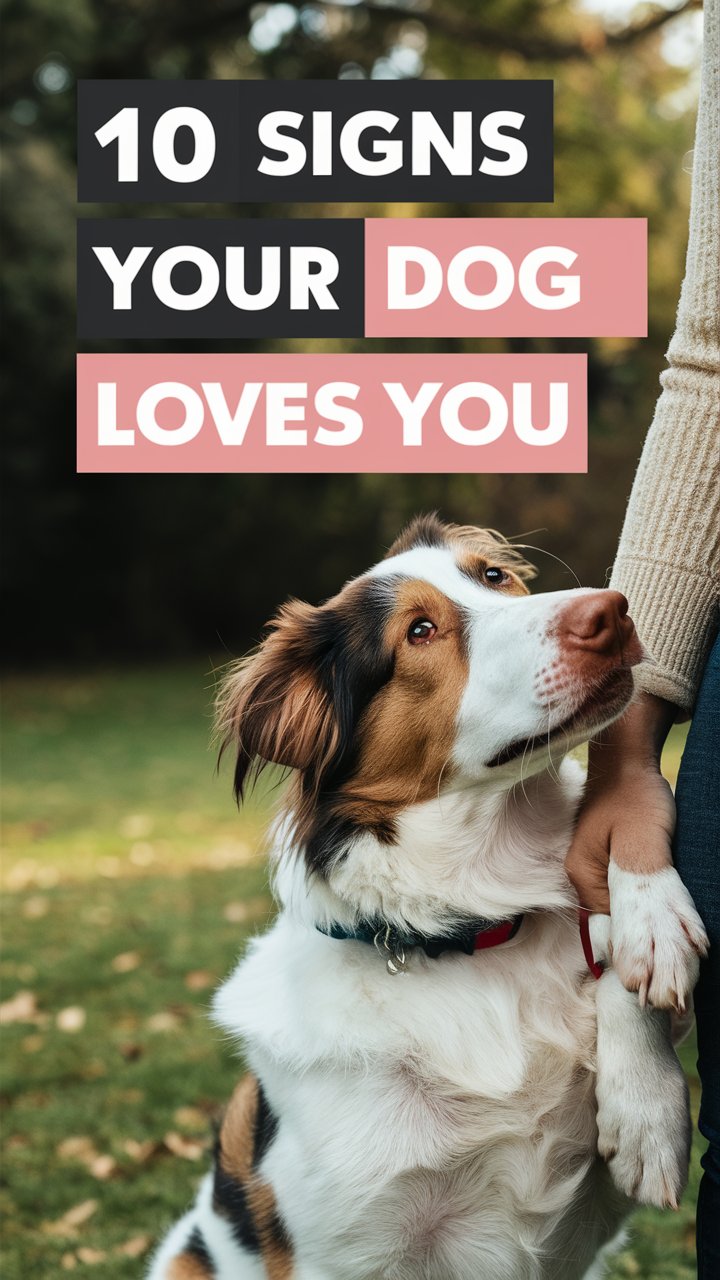
Dogs are loyal, affectionate, and often called “man’s best friend”. But what happens when that love becomes a little too much? Many owners wonder: can a dog love you so much that it turns unhealthy?
The short answer is yes. Dogs that show extreme attachment, destructive behavior when left alone, or excessive guarding may be experiencing over-attachment or separation anxiety. While it feels flattering at first, it can negatively impact both you and your dog’s well-being.
In this article, we’ll explore the top signs your dog might love you too much, why it happens, and expert-backed strategies to fix it—so your furry friend can be both happy and independent.
Why It’s Possible for a Dog to Love You Too Much
Love is healthy. But codependency is not—whether in humans or dogs.
When dogs rely on your constant presence for comfort, they develop separation anxiety. This condition causes emotional stress, destructive behavior, and even physical harm.
According to the American Kennel Club (AKC), up to 14% of dogs suffer from separation anxiety, showing that this is a real issue many owners face.
5 Signs Your Dog Loves You Too Much
Here are the most common behaviors that signal unhealthy over-attachment:
1. Overly Protective Around Other Dogs or People
If your dog blocks you from petting other animals, growls when people approach, or constantly demands attention, it may be a sign of possessiveness driven by over-love.
2. Excessive Barking, Whining, or Howling When Alone
Dogs that cry for hours when you leave are not just “missing you”—they are emotionally distressed. This can harm their mental health and upset your neighbors too.
3. Destructive Behavior When You’re Gone
Chewed shoes, shredded pillows, or destroyed doors? This isn’t “naughtiness.” It’s a cry for attention and a way to cope with stress by clinging to items that smell like you.
4. Trembling or Shaking When You Return
Shaking isn’t always excitement—it can be a sign of nervous exhaustion. Dogs so stressed by your absence may physically tremble when you come home.
5. Self-Harming Behaviors
From over-licking their paws to refusing food or injuring themselves while trying to escape, these are severe red flags of unhealthy attachment.
Why Do Some Dogs Love Too Much?
Several factors contribute to this extreme bond:
- Traumatic Puppyhood: Dogs abandoned or abused early often cling harder once they finally trust someone.
- Over-Pampering: Dogs that receive constant attention from puppyhood may struggle to handle independence.
- Breed Tendencies: Some breeds (like Labrador Retrievers, German Shepherds, or Maltese) are naturally more people-oriented and prone to separation anxiety.
- Lack of Training: If a dog is never taught to be alone, they may panic whenever you leave.
Is It Unhealthy for Dogs to Love You Too Much?
Yes, because it creates mental and physical stress:
- Emotional breakdowns (constant crying or panic)
- Physical harm (injuries, refusing food, digestive issues)
- Damaged relationship (destructive behaviors testing your patience)
Healthy love means balance: affection and independence.
How to Help Your Dog Be Less Over-Attached
You don’t want your dog to love you less—you want them to feel secure without you. Here’s how:
1. Gradual Independence Training
- Start by leaving your dog alone for 5–10 minutes.
- Slowly increase the time.
- Reward calm behavior when you return.
2. Crate Training (the Right Way)
A crate should be a safe den, not a punishment. Place toys, a blanket with your scent, and treats inside so your dog associates it with comfort.
3. Provide Mental Stimulation
Dogs left with nothing to do will miss you more. Puzzle toys, treat dispensers, or chew bones keep them engaged.
4. Exercise Before You Leave
A tired dog is a calm dog. A brisk walk or play session before you leave can reduce anxiety.
5. Don’t Overreact to Goodbyes & Hellos
Keep departures and arrivals calm. Over-excitement reinforces their anxiety.
6. Consider Professional Help
If your dog’s behavior is severe, consult a veterinarian or dog behaviorist. Sometimes, professional training or even medication is necessary.
Concluding Reflections
So, can a dog love you too much? Unfortunately, yes—but it’s really about dependency, not love itself.
The best gift you can give your dog is not endless attention but the confidence to feel secure even when you’re not there. With patience, training, and the right techniques, you can transform clingy love into a healthy, balanced bond.
Remember: the goal is not to reduce their love—it’s to help them love you in a healthier way.