
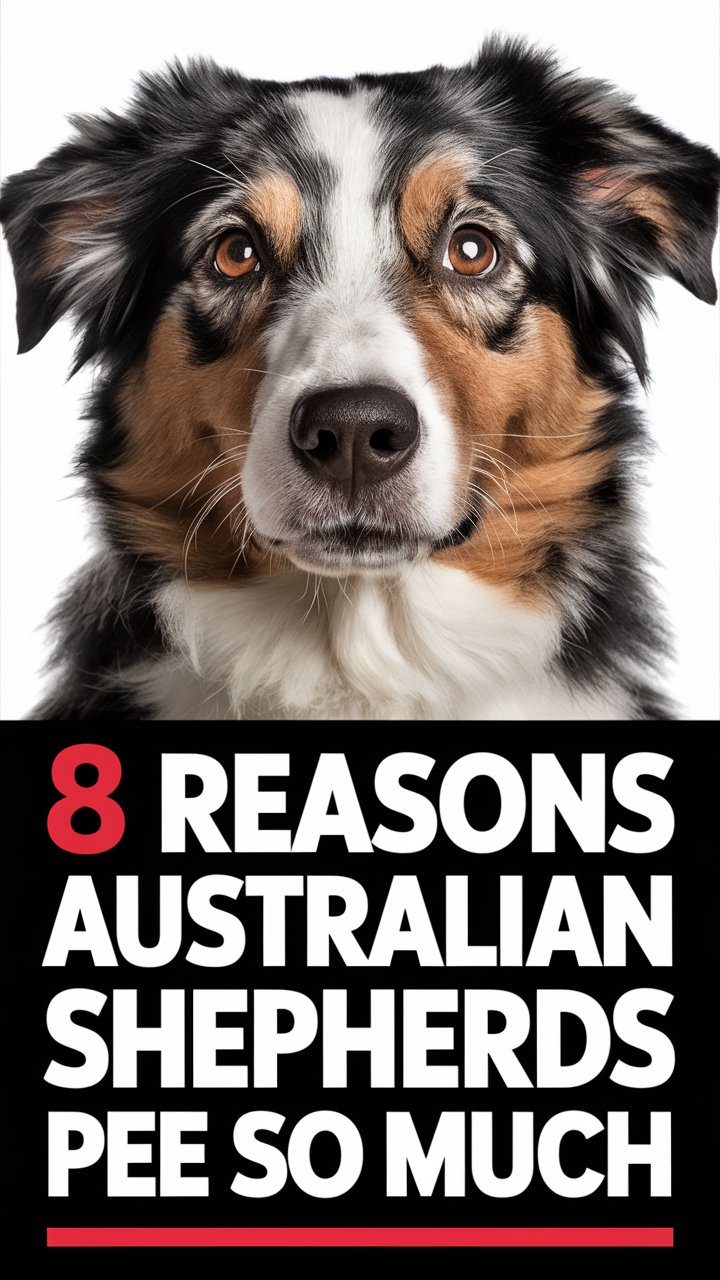
If your Australian Shepherd seems to have an endless bladder — always asking to go outside or having accidents inside — you’re not alone. Many Aussie owners face the same confusing issue. Is your dog’s constant peeing normal, or could something be wrong?
Let’s uncover the real reasons why Australian Shepherds pee so much, the hidden weak points you might be missing, and pro tips to help your Aussie regain control — once and for all.
🔍 Understanding Normal vs. Excessive Peeing
Before you worry, it’s important to know what’s normal for your dog.
A healthy Australian Shepherd pees about 2 ml of urine per kg of body weight per hour.
That means a 30 lb (13.6 kg) Aussie should produce roughly 650 ml of urine a day (around 2.5 cups).
💡 Pro Tip:
If your pup is going more frequently than this — especially every 30–60 minutes — it’s a red flag. It could be due to overstimulation, hormonal imbalance, or even health concerns like urinary infections or diabetes.
🧠 9 Advanced Reasons Why Australian Shepherds Pee So Much
1️⃣ Overstimulation & Excitement Urination
Aussies are naturally high-energy and emotional dogs. When they get excited (like when you come home or play fetch), they can lose bladder control temporarily — especially puppies or seniors.
👉 Stay calm when greeting them to prevent accidental peeing.
2️⃣ Puppy Bladder Development
Puppy Aussies have small bladders and undeveloped muscle control. It’s completely normal for them to need frequent potty breaks — sometimes every 1–2 hours.
✅ Training Tip: Gradually extend outdoor breaks and reward them for holding it longer to build control.
3️⃣ Marking Territory Behavior
Australian Shepherds are intelligent herding dogs — and scent communication is part of their instinct. They often release small amounts of urine in different areas to mark territory or signal presence.
💬 Think of it as “leaving a message” for other dogs in the area!
4️⃣ Aging & Incontinence
As Aussies grow older, the muscles that control the bladder weaken. This can lead to involuntary leaks, especially during rest.
🩺 Regular vet visits and bladder-support supplements can help manage age-related incontinence.
5️⃣ Increased Water Intake
Hot weather, salty food, or even a shift in activity level can make your Aussie drink more water — leading to more frequent urination.
⚠ Watch out: Excessive thirst might also indicate diabetes or kidney issues. Keep an eye on their water bowl.
6️⃣ Hormonal Changes After Neutering/Spaying
Right after surgery, hormone imbalances can cause temporary bladder issues. Most dogs normalize within a few weeks.
💧 Stay patient and maintain consistent potty routines during this phase.
7️⃣ Stress, Anxiety & Environmental Triggers
Aussies are emotionally sensitive and thrive on stability. Moving homes, a new baby, loud noises, or schedule changes can cause stress-induced peeing.
🧘 Calm them down with: predictable routines, quiet zones, and mental stimulation (puzzle toys, sniff walks).
8️⃣ Diet & Hidden Sodium
Many owners overlook this — salty treats and processed foods make your dog drink (and pee) excessively.
🍽 Solution: Keep 90% of their diet from balanced dog food and only 10% from treats.
9️⃣ Medical Issues: When to See a Vet
Frequent urination can sometimes indicate UTIs, bladder infections, diabetes, or Cushing’s disease.
🚨 If your Aussie shows signs like:
- Peeing indoors suddenly
- Blood in urine
- Constant licking near genitals
- Increased thirst
Then a vet visit is essential. Early diagnosis prevents bigger health problems later.
🧩 5 Expert Tips To Help Your Aussie Pee Less
✅ 1. Limit Excitement When Greeting
Keep calm energy when you come home. Take your dog directly outside before engaging in play. This trains them to associate excitement with outdoor peeing — not indoor accidents.
✅ 2. Identify Triggers
Keep a pee diary for 3–5 days — note what triggers frequent peeing (visitors, loud noises, new pets). Once you find patterns, you can desensitize them or remove triggers.
✅ 3. Deep Clean Accident Spots
Dogs love returning to familiar scents. Use enzymatic cleaners (not regular detergents) to completely erase urine odor. This breaks the “pee here” habit loop.
✅ 4. Support a Healthy Diet
Feed your Aussie a low-sodium, protein-balanced diet to reduce unnecessary thirst. Avoid human snacks, bacon, and overly salty treats.
✅ 5. Vet Consultation & Hydration Check
If nothing changes after lifestyle adjustments, book a vet exam. Bring notes on frequency, color, and volume — it helps diagnose infections or metabolic issues quickly.
⚡ Hidden Weak Points Most Owners Miss
Even responsible dog parents often overlook these:
- ❌ Giving free access to water right before bedtime
- ❌ Punishing accidents instead of positive training
- ❌ Ignoring signs of early bladder weakness in seniors
- ❌ Not tracking food-to-water-to-pee ratio
Recognizing these small factors can make a massive difference in controlling your Aussie’s bathroom habits.
💬 Final Thoughts: Keep Calm & Keep Observing
Frequent peeing in Australian Shepherds isn’t always a cause for panic — but it is a message. Your dog is trying to tell you something, whether it’s excitement, stress, or a health issue.
By paying attention, building routines, and staying patient, you’ll have a happier, healthier Aussie (and cleaner floors!).