
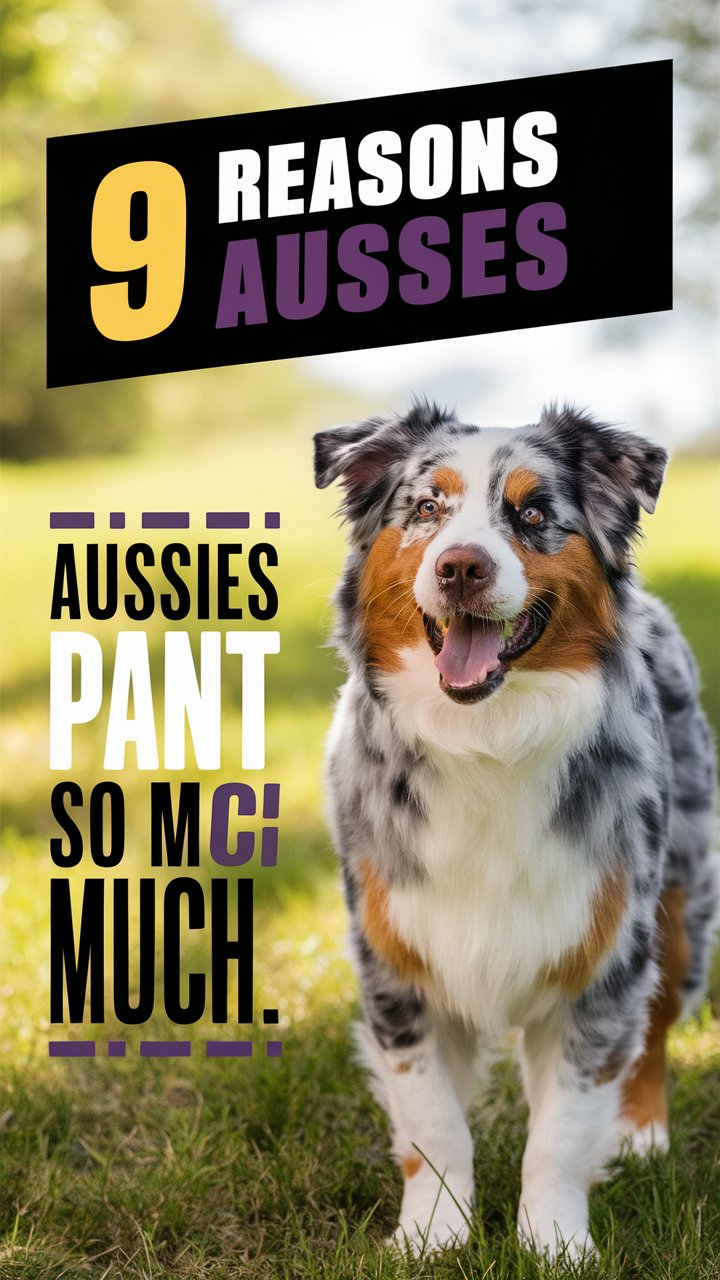
Updated 2025 | Australian Shepherds Expert Care Guide
Introduction
If you’re a proud Australian Shepherd owner, you already know how lively, intelligent, and affectionate this breed can be. But there’s one behavior that often worries new and even experienced Aussie owners — constant panting.
You might notice your dog panting after a walk, during play, or sometimes even when they’re simply lying down. Naturally, this raises concern — is this normal, or a sign that something’s wrong?
Here’s the truth:
Panting is a completely natural way for dogs to regulate body temperature. But when your Australian Shepherd pants excessively — even in cool environments or at rest — it could indicate stress, overheating, pain, or an underlying health issue.
This article goes far beyond the basics. You’ll discover:
✅ The 9 real reasons your Australian Shepherd pants so much (with in-depth explanations).
✅ Advanced insights into how to differentiate normal vs. excessive panting.
✅ 4 expert-level tips to help reduce panting and improve your dog’s comfort.
✅ Vet-backed explanations and advanced prevention methods for long-term health.
By the end, you’ll know exactly when panting is normal — and when it’s time to take action.
Why Do Australian Shepherds Pant So Much?
Australian Shepherds are incredibly athletic dogs with high endurance, bred to herd livestock all day under the sun. That heritage means they have boundless energy — and with energy comes heat.
Since dogs can’t sweat like humans, they rely primarily on panting to cool themselves down.
When your Aussie’s tongue hangs out and they breathe rapidly, they’re releasing heat and moisture, allowing cooler air to circulate through their body.
However, excessive or unusual panting (especially without heat or exercise) could indicate a physical or emotional issue. Let’s break down every possible cause — from harmless to serious.
Top 9 Reasons Australian Shepherds Pant So Much
1. Cooling Down Naturally
The most common reason your Australian Shepherd pants is simple — they’re hot.
Unlike humans, dogs only sweat through limited areas (mainly their paw pads and nose). Their thick double coat, designed for protection, can also trap heat, making them more prone to overheating.
When your Aussie pants, the moisture on their tongue evaporates, and the air they inhale helps regulate internal body temperature.
Signs it’s normal panting:
- Their tongue is extended but pink (not pale or blue).
- They just finished exercise, play, or outdoor activity.
- Panting stops within a few minutes after resting.
Weak Point in Old Articles (Improved Here):
Most articles stop here — but here’s the advanced insight:
Australian Shepherds can overheat faster than some breeds because their coat acts like insulation. If not groomed properly during summer, the undercoat traps heat. That’s why regular deshedding is crucial in hot weather — it keeps air flowing through their coat.
Pro Tip:
Use a slicker brush weekly and a deshedding rake every 2–3 weeks during summer. Keeping their coat clean and trimmed helps reduce excessive panting dramatically.
2. Catching Their Breath After Activity
Australian Shepherds are born athletes.
After running, fetching, or herding (or even a quick zoomie session around your house), they’ll pant heavily to replenish oxygen and cool their muscles.
Panting helps circulate oxygen to their tissues while releasing the heat built up during physical activity.
When it’s normal:
- They pant right after playtime or a walk.
- It gradually slows within 10–15 minutes of resting.
When to worry:
- Panting persists long after exercise.
- Accompanied by drooling, disorientation, or refusal to move.
Advanced Tip:
Avoid heavy exercise in temperatures above 80°F (27°C) or during midday. Walk your Aussie early in the morning or late in the evening when pavement and air are cooler.
3. Over-Excitement
Aussies are emotionally expressive dogs. Panting can also happen when they’re overly excited — such as when you grab their leash, say “walk,” or when guests arrive.
Why this happens:
Excitement triggers adrenaline release, increasing heart rate and respiration. The result? Panting, wagging tails, and lots of happy energy.
Healthy management:
If your Aussie gets overexcited easily, try training calm behaviors before play or walks. Teaching them to “sit” before door time helps control emotional energy and breathing patterns.
Expert Upgrade Tip:
Add impulse control training — exercises like “wait” and “stay” — to reduce hyperactivity-related panting. It improves obedience and emotional balance.
4. Anxiety or Stress
Excessive panting can also signal anxiety.
Australian Shepherds are highly intelligent and sensitive — they easily pick up emotional cues and environmental stressors.
Common triggers include:
- Loud noises (fireworks, thunder, vacuum cleaners).
- Separation from their owner.
- Traveling or vet visits.
- New environments or guests.
You’ll notice panting paired with:
- Trembling or whining
- Pacing
- Yawning or lip licking
- Avoidance behavior
Advanced Insight:
Panting caused by stress happens because adrenaline and cortisol (stress hormones) raise your dog’s heart rate and body temperature — even when they’re not physically active.
Expert Tip:
Desensitization and counter-conditioning are your best long-term solutions. Start small — e.g., play recordings of thunder at low volume while rewarding calm behavior — and gradually increase exposure over time.
5. Pain or Discomfort
If your Aussie suddenly begins panting more than usual, even in cool conditions, it could mean they’re in pain.
Dogs instinctively hide pain to appear strong, but panting often becomes one of the first visible symptoms.
Possible causes:
- Joint pain or arthritis (common in older Aussies).
- Wounds, sprains, or fractures.
- Stomach upset or internal discomfort.
- Post-surgery recovery.
Warning signs:
- Refusing to move or eat.
- Restlessness at night.
- Whimpering or licking a specific area.
Advanced Tip:
Monitor when your Aussie pants the most — e.g., after meals (possible bloating), during rest (joint pain), or during urination (infection). Keep a log for your vet — it helps diagnose pain sources faster.
6. Playfulness and Emotional Expression
Not all panting means something’s wrong! Sometimes, it’s your Aussie simply expressing joy.
During playtime, panting is their way of saying “I’m having fun.” It helps them cool off while maintaining energy levels.
Fun Fact:
Studies show that panting releases endorphins, helping dogs self-regulate and stay calm even during excitement. So a happy pant after fetch? Totally normal.
Upgrade Tip:
Keep play sessions balanced — 10–15 minutes of activity, followed by water breaks and 5 minutes of rest. It prevents overheating while maintaining good muscle stamina.
7. Ate Something Bad
If your Australian Shepherd has eaten something toxic or spoiled, they may pant excessively as their body reacts to stress or nausea.
Common culprits:
- Chocolate, grapes, onions, xylitol (toxic to dogs).
- Household chemicals or plants.
- Foreign objects (socks, toys, plastic).
Symptoms include:
- Vomiting, diarrhea, drooling.
- Weakness or shaking.
- Rapid breathing or restlessness.
Immediate Action:
Contact your vet or an emergency pet helpline. Bring any packaging or remnants of what they ate — it helps the vet provide faster treatment.
8. Old Age
As your Aussie ages, their stamina, metabolism, and lung function change.
Older dogs tend to pant more easily because their respiratory muscles weaken, and even mild exercise can elevate heart rate.
Other signs of age-related panting:
- Stiff joints
- Slow recovery after walks
- Trouble standing up
- Grey fur around the muzzle
Expert Upgrade:
Support senior Aussies with:
- Orthopedic beds (reduces joint strain)
- Omega-3 supplements (anti-inflammatory benefits)
- Moderate exercise routines to maintain mobility
Never push your elderly Aussie beyond comfort — even small efforts can raise their temperature quickly.
9. Underlying Health Conditions
Finally, persistent panting with no clear cause could indicate an underlying medical issue.
Common possibilities include:
- Heart disease (reduced oxygen flow)
- Cushing’s disease (excess cortisol production)
- Lung disease
- Anemia
- Laryngeal paralysis
- Diabetes
When to visit the vet immediately:
- Panting sounds hoarse or labored
- Gums or tongue appear pale or bluish
- Accompanied by coughing or fainting
- Happens even in cool temperatures at rest
Advanced Tip:
Request a chest X-ray and full blood panel during your vet visit. It helps rule out cardiovascular or endocrine issues early — key for long-term Aussie health.
When Panting Is a Red Flag
Not all panting is dangerous, but here’s when it’s definitely worth professional attention:
🚨 Persistent panting even when resting indoors.
🚨 Panting combined with drooling, vomiting, or shaking.
🚨 Noisy or strained breathing sounds.
🚨 Refusal to eat or drink.
🚨 Rapid heartbeat or pale gums.
If your Aussie exhibits these, seek veterinary care immediately.
4 Expert Tips to Help Your Australian Shepherd Stop Panting So Much
1. Help Them Cool Off Quickly
- Keep a cool water bowl accessible 24/7.
- Use a cooling mat or an elevated bed to enhance airflow.
- Avoid hot walks; stick to early mornings or evenings.
- Never shave your Aussie — it damages coat protection and worsens heat sensitivity.
- Provide shaded outdoor areas.
Expert Upgrade:
Mix a teaspoon of low-sodium chicken broth into their water during summer. It encourages hydration and prevents dehydration-related panting.
2. Identify & Overcome Their Triggers
If stress or fear causes panting:
- Observe when it happens (fireworks, strangers, travel).
- Remove or minimize exposure to that trigger.
- Use positive reinforcement to build tolerance — treats, toys, or praise when calm.
- Create a “safe zone” in your home — a quiet area with a soft bed and toy.
Vet-backed Bonus Tip:
Consider pheromone diffusers or natural calming treats (like chamomile or CBD dog chews) under vet supervision.
3. Adjust Exercise & Routine
Australian Shepherds thrive on activity — but balance is key. Overexertion in warm weather or prolonged play can cause overheating and constant panting.
Optimal schedule:
- 30–45 minutes of exercise twice daily (cool times).
- Indoor games like “find it” or “tug” on hot days.
- Swimming as a low-impact, cooling alternative.
Advanced Pro Insight:
Rotate activities — mental games (puzzle feeders) are as effective for Aussies’ energy outlet as physical workouts, reducing stress-related panting.
4. Regular Vet Checkups & Preventive Care
Consistent veterinary care is the best prevention.
Get bi-annual health checkups for middle-aged and senior Aussies to detect issues before they become serious.
Routine tests to request:
- Heart and lung evaluation
- Blood panel (for hormonal or metabolic imbalances)
- Dental check (oral infections can cause pain-panting)
Advanced Tip:
Track your Aussie’s breathing rate while sleeping (normal: 10–35 breaths/min). A consistent increase may signal underlying heart or lung stress.
Conclusion
Panting is one of your Australian Shepherd’s most vital and visible ways to communicate.
It might mean they’re just cooling down — or that something deeper is going on.
By learning to recognize the difference between normal and excessive panting, you’re empowering yourself to keep your Aussie comfortable, calm, and healthy for years to come.
Remember:
- Observe patterns.
- Manage heat and stress.
- Provide regular care and checkups.
Your Aussie depends on you not just for love — but for understanding what their body is trying to say.