
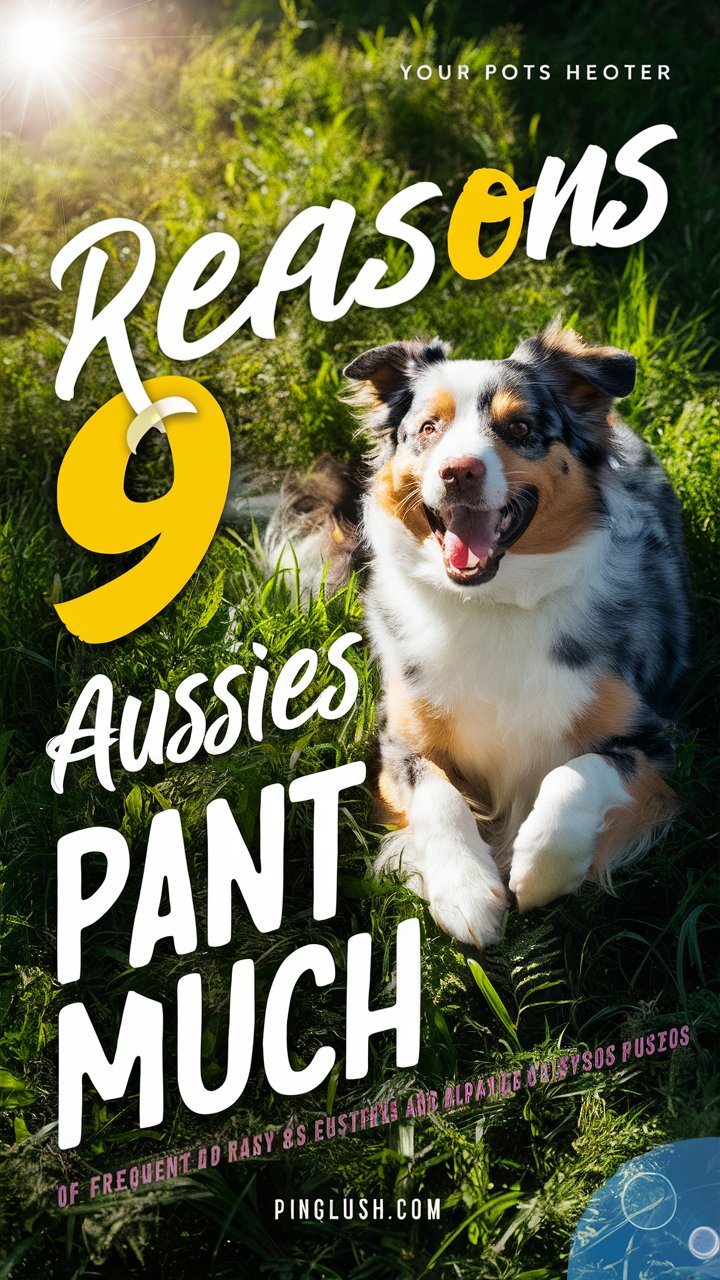
Australian Shepherds are loyal, energetic, and intelligent — but if you’ve noticed your Aussie drooling more than usual, it can be a little worrying (and messy!).
So, why do Australian Shepherds drool so much? Sometimes, it’s perfectly normal — like when they’re waiting for dinner. But other times, excessive drooling can signal something more serious, such as anxiety, oral health issues, or even heat exhaustion.
In this guide, you’ll discover:
✅ The 9 most common reasons Aussies drool excessively
✅ When it’s normal vs. when it’s a warning sign
✅ Vet-approved tips to reduce drooling safely
✅ Plus, bonus care advice to keep your Aussie happy and healthy
Let’s dive in! 🦴
🦴 Why Do Australian Shepherds Drool?
Drooling is a natural process that helps your Aussie digest food and keep their mouth clean. However, when it becomes excessive, it’s called ptyalism — and it’s worth paying attention to.
Australian Shepherds may drool more due to anticipation, nausea, dental problems, stress, or even environmental heat.
Below are the top 9 real reasons your Aussie might be drooling — and what you can do about it 👇
1️⃣ Anticipation (Completely Normal)
If your Australian Shepherd drools while waiting for food or treats, don’t panic — this is totally normal.
Just like humans salivate when we smell something delicious, dogs drool in anticipation of a tasty meal.
When to worry: Only if the drooling continues long after eating or is accompanied by pawing at the mouth or visible discomfort.
Quick Tip:
Try feeding smaller portions more frequently, so your Aussie doesn’t get overexcited and drool excessively.
2️⃣ Upset Stomach or Nausea 🤢
If your Aussie is drooling along with vomiting, pacing, or panting, it may be due to nausea or an upset stomach.
Possible causes:
- Eating grass or garbage 🗑️
- Sudden diet change
- Motion sickness
- Stress or anxiety
What to do:
Keep your Aussie hydrated and monitor for signs like diarrhea or loss of appetite. If symptoms persist for more than 24 hours, consult a vet immediately.
3️⃣ Anxiety or Stress 🐾
Australian Shepherds are emotional and highly intelligent — which means they’re prone to anxiety-based drooling.
Triggers can include:
- Loud noises (thunder, fireworks)
- Being left alone (separation anxiety)
- Traveling or meeting new people
Signs of stress: pacing, whining, shaking, licking, or panting excessively.
Solution:
- Create a calm environment
- Use anxiety jackets or calming chews
- Train with positive reinforcement
💡 Pro Tip: A consistent daily routine greatly reduces anxiety-driven drooling.
4️⃣ Oral Health Problems 🦷
One of the most common causes of drooling in Aussies is dental disease — such as gum infections, tartar buildup, or broken teeth.
Studies show over 80% of dogs develop dental problems by age 3!
Warning signs:
- Foul breath
- Swollen gums
- Difficulty eating
- Constant pawing at the mouth
Solution:
🪥 Brush their teeth 2–3 times a week
🦴 Offer dental chews
👩⚕️ Schedule vet checkups every 6 months
5️⃣ Exposure to Toxins ☠️
If your Aussie suddenly starts drooling excessively, it might be due to something toxic they licked or ingested.
Common culprits:
- Household cleaners
- Certain plants (e.g., tulips, azaleas)
- Chocolate, xylitol, grapes, or onions
- Insecticides or antifreeze
Emergency signs: vomiting, diarrhea, weakness, or tremors.
👉 Immediate Action: Contact your vet or the Pet Poison Helpline (1-855-764-7661).
6️⃣ Heat Exhaustion or Heat Stroke 🌞
Australian Shepherds have a thick double coat — which means they can overheat quickly, especially during summer.
Excess drooling is one of the first signs of heat stress.
Other signs:
- Heavy panting
- Red gums
- Weakness or collapse
Prevent it:
- Always provide fresh water
- Avoid midday walks
- Keep them indoors on very hot days
- Use cooling mats or fans
7️⃣ Something Stuck in Their Mouth or Throat 😬
Sometimes drooling is your Aussie’s way of saying, “There’s something stuck!”
This could be a piece of food, toy, bone, or even a stick.
Signs: gagging, coughing, pawing at the mouth, or refusing to eat.
What to do:
- Don’t try to remove it blindly.
- If visible and safe to reach, gently take it out.
- Otherwise, see your vet immediately to avoid choking or damage.
8️⃣ Rabies (Very Rare but Serious) ⚠️
Although rare — especially if vaccinated — rabies can cause excessive drooling due to throat paralysis.
Other signs: aggression, paralysis, confusion, seizures.
Always keep vaccinations up to date and avoid contact with wild animals.
9️⃣ Underlying Health Issues 🏥
Chronic drooling can also point to internal health problems like:
- Kidney or liver disease
- Sinus infections
- Throat inflammation
If drooling lasts more than 48 hours without explanation, get a full health checkup.
💡 4 Proven Tips to Reduce Drooling in Australian Shepherds
🦷 1. Maintain Great Dental Hygiene
Brush their teeth regularly and use vet-approved dental treats to prevent tartar buildup.
🧘 2. Manage Stress Triggers
Provide mental stimulation (puzzle toys, walks) and calming environments to reduce anxiety-based drooling.
🚫 3. Keep Dangerous Items Away
Store toxic foods and small chewable items out of reach. Prevention is easier than treatment!
👩⚕️ 4. Schedule Regular Vet Visits
Even if your Aussie seems fine, a vet check every 6–12 months can detect early issues before they worsen.
🐕 When to See a Vet Immediately
Take your Aussie to the vet ASAP if drooling comes with:
- Vomiting or diarrhea
- Trouble breathing
- Pawing at the mouth constantly
- Loss of appetite or fatigue
💬 Final Thoughts
While drooling is completely normal for Australian Shepherds in small amounts, excessive drooling shouldn’t be ignored.
By understanding the causes and using preventive care, you can keep your Aussie healthy, happy, and slobber-free! 🐾
Pro Tip: Always trust your instincts — if your Aussie’s drooling feels off, it’s always better to check with a vet.