
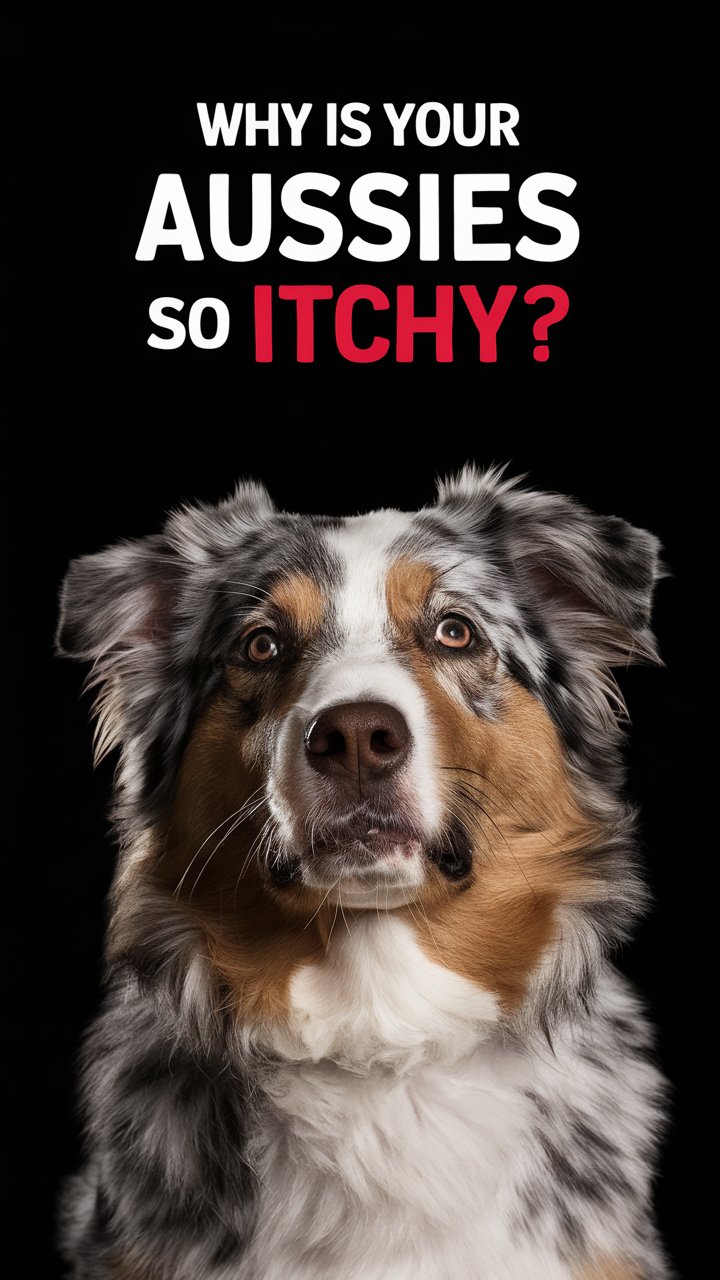
If your Australian Shepherd seems frightened by noises, sudden movements, strangers, or even harmless objects around the house — you’re not alone. Many Aussie owners notice their dogs trembling, hiding, or barking at things that seem ordinary.
But is it normal for Australian Shepherds to be scared of everything? Or is there something deeper going on?
This detailed guide uncovers 8 real reasons your Australian Shepherd is scared of everything, plus proven, expert-recommended solutions to help your pup feel safe, confident, and happy again.
Let’s dive right in.
🐶 Understanding the Aussie Mind: Why Fear Happens
Australian Shepherds are incredibly smart, sensitive, and energetic dogs. Their intelligence makes them great herders — but it also means they’re more aware of their surroundings and more likely to react to change or tension.
In other words, the same sensitivity that makes them loyal and intuitive also makes them prone to anxiety or fear.
When an Aussie doesn’t understand what’s happening or feels unsafe, their natural instinct kicks in: fight, flight, or freeze.
So, if your dog seems “scared of everything,” you’re actually seeing a biological response — not stubbornness or disobedience.
📋 Table of Contents
- Age & Developmental Fear Phases
- Environmental Changes
- Unintentional Reinforcement of Fear
- Emotional Dependence
- Physical Pain or Discomfort
- Past Trauma or Negative Experiences
- Lack of Early Socialization
- Genetic or Inherited Sensitivity
- 7 Expert Tips to Build Your Aussie’s Confidence
- When to Seek Professional Help
- Final Thoughts
🐕🦺 1. Age & Developmental Fear Phases
Just like humans, dogs go through developmental fear stages. For Australian Shepherds, these phases can happen twice in their early life:
- First Fear Phase (8–12 weeks):
During puppyhood, your Aussie is discovering the world. Loud sounds, new faces, or even a trash can might seem terrifying. This stage is completely normal and usually passes as they learn what’s safe. - Second Fear Phase (6–14 months):
During adolescence, hormones surge and independence grows. Your young Aussie may suddenly act fearful again, even toward things they used to tolerate. It’s temporary but requires patience and positive exposure.
✅ Expert Tip: Stay calm and confident. Don’t “baby” fearful behavior — instead, redirect their attention with treats, commands, or play. This teaches your pup that new things = positive experiences.
🌎 2. Environmental Change
Australian Shepherds thrive on structure, familiarity, and routine. Sudden changes can easily throw them off balance.
Common triggers include:
- Moving to a new home
- Rearranging furniture
- Bringing home a new baby or pet
- Visiting a new park or neighborhood
- A change in your daily schedule
Aussies read human emotions well, so if you’re stressed during these transitions, they’ll sense it and become anxious too.
✅ How to Help:
Prepare your dog gradually. Before moving, walk them around the new area. When introducing new pets or guests, do it in a calm, neutral space. Keep feeding and walk times consistent — predictability builds confidence.
💬 3. Unintentionally Reinforcing the Fear
This is one of the most common mistakes owners make without realizing it.
When your Aussie hides, trembles, or whines and you rush to comfort them with hugs, baby talk, or treats — you’re rewarding fearful behavior. Your dog learns that being scared brings extra attention, reinforcing the pattern.
On the flip side, scolding or punishing fear only makes it worse, damaging trust.
✅ Balanced Approach:
Ignore the fear-based behavior calmly. Instead, reward bravery — even small signs like looking at the scary object or stepping closer. Use a cheerful, confident tone to communicate that everything’s okay.
Example:
If your Aussie barks at the vacuum, turn it off, let them sniff it, and when they do, praise gently and offer a treat. Repeat until they associate the vacuum with safety.
💞 4. Emotional Dependence
Australian Shepherds are famously loyal — sometimes too loyal. They easily form deep emotional attachments and can become overly dependent on their owners.
When that happens, they may panic when left alone or face new experiences without you. This dependence can appear as:
- Whining when you leave the room
- Refusing to eat when alone
- Overreacting to strangers
- Fearful behavior in new settings
✅ How to Fix It:
- Gradual separation training: Leave for short intervals, increasing time slowly.
- Encourage independence: Give puzzles or chew toys to occupy them while you’re away.
- Avoid constant reassurance: Teach your Aussie they can handle short separations calmly.
💡 Remember: Confidence builds when your dog successfully faces mild challenges on their own.
⚕️ 5. Physical Pain or Discomfort
Sometimes, fear has nothing to do with behavior — it’s caused by physical pain.
Dogs in pain often become defensive or jumpy because they feel vulnerable. Common Aussie health issues include:
- Hip dysplasia
- Arthritis
- Allergies causing skin irritation
- Back or joint pain
- Dental discomfort
✅ What to Do:
If your dog suddenly starts acting fearful, avoid assuming it’s behavioral. Schedule a vet check-up to rule out injury or illness. Once pain is treated, fear responses often decrease naturally.
💔 6. Past Trauma or Negative Experiences
Rescue or rehomed Australian Shepherds often carry emotional scars from neglect, abuse, or fear-based training.
Even one traumatic event — a harsh punishment, loud explosion, or dog attack — can trigger lasting fear associations.
✅ How to Help a Traumatized Aussie:
- Keep a predictable, calm environment.
- Avoid forcing exposure to triggers.
- Use desensitization: Start at a distance from the scary thing and reward calm behavior gradually.
- Consider professional help from a certified canine behaviorist or positive reinforcement trainer.
🧠 Healing trauma takes time, patience, and consistency. Never rush progress — celebrate small wins.
🐕 7. Lack of Early Socialization
Australian Shepherds are working dogs bred for herding — their instincts make them alert and reactive. If not properly socialized during puppyhood (2–12 months), they may fear unfamiliar people, sounds, or environments.
✅ Socialization Checklist:
Expose your Aussie to:
- Different sounds (vacuum, traffic, kids playing)
- People of all ages
- Other dogs and animals
- Various surfaces (grass, wood floors, gravel)
If your dog missed early socialization, start now — slowly and positively. It’s never too late, though progress might take longer in adult dogs.
🧬 8. Genetic or Inherited Sensitivity
Some dogs are simply born more cautious or anxious due to genetics. Puppies from nervous or anxious parents are more likely to develop fear tendencies themselves.
While you can’t change genetics, you can manage the behavior through consistent training, gentle exposure, and a calm home environment.
✅ Pro Tip:
Create a safe space — like a crate or quiet corner — where your Aussie can retreat when overwhelmed. Pair it with calming cues like soft music or a familiar blanket.
🧩 7 Expert Tips to Help Your Aussie Overcome Fear
Now that you know the causes, let’s turn knowledge into action. Here’s how to rebuild your Aussie’s confidence and help them feel secure again.
1. Gradual Exposure Therapy (Desensitization)
Expose your Aussie to fear triggers slowly and positively. If they fear loud sounds, start with soft recordings at low volume while offering treats. Increase the volume over days as they stay relaxed.
Consistency and patience are key — forcing exposure can worsen fear.
2. Positive Reinforcement Only
Reward calm, confident behavior with treats, toys, or affection. Ignore fearful reactions — never punish or shout.
Your Aussie will soon associate bravery with good things, shifting their emotional response from fear to curiosity.
3. Maintain a Stable Routine
Predictability creates safety. Feed, walk, and play around the same times daily. Keep visitors and changes minimal during training.
Dogs thrive when they know what to expect — structure helps nervous Aussies feel secure.
4. Increase Exercise & Mental Stimulation
A tired Aussie is a relaxed Aussie. These dogs need at least 60–90 minutes of exercise daily — walks, fetch, agility, or herding games.
Also, provide mental workouts: puzzle toys, scent games, obedience drills. Exercise helps burn off anxious energy and promotes calm behavior.
5. Create a Safe Space
Designate a quiet area with:
- Their favorite bed or blanket
- Soft background sounds (classical music or a white-noise machine)
- Low light and minimal foot traffic
This gives your Aussie control — a refuge when they feel overwhelmed.
6. Try Calming Aids (Short-Term Support)
These aren’t long-term fixes but can help manage anxiety during training:
- Thundershirts (gentle compression provides comfort)
- Calming treats with chamomile, melatonin, or L-theanine
- Dog pheromone diffusers or sprays
- Lavender-scented toys or blankets
Always consult your vet before starting supplements.
7. Work with a Professional
If your Aussie’s fear persists, contact:
- A certified dog behaviorist, or
- A positive reinforcement trainer
They’ll create a personalized behavior modification plan using proven techniques like counter-conditioning.
🏥 When to See a Vet or Behavior Expert
You should seek professional help if your Aussie:
- Shakes uncontrollably even in calm settings
- Refuses food for long periods
- Shows aggression due to fear
- Develops new phobias suddenly
- Has physical signs of pain or illness
Early intervention prevents chronic anxiety and improves your dog’s quality of life dramatically.
🌟 Final Thoughts: Turning Fear into Confidence
Having a fearful Australian Shepherd doesn’t mean something is “wrong” — it simply means your dog needs guidance, patience, and trust.
Remember:
- Fear is a natural emotion, not misbehavior.
- Your calm energy teaches your Aussie that the world is safe.
- Every small success builds lasting confidence.
With consistent love, structured training, and positive exposure, your Australian Shepherd can transform from timid to fearless — becoming the confident, joyful companion they were born to be.
🐾 Stay patient, celebrate progress, and you’ll soon see your Aussie’s bright spirit shine again.