
By David
Updated: January 19, 2025
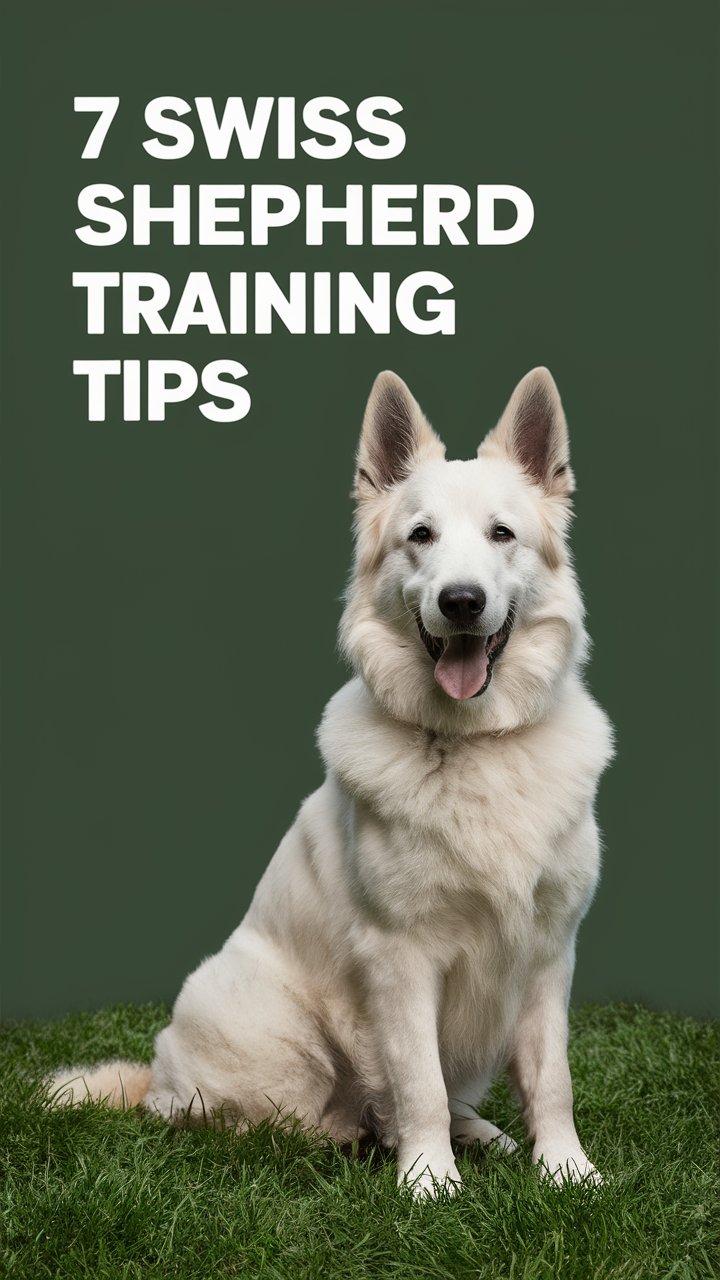
White Swiss Shepherds are intelligent, loyal, and strikingly beautiful dogs. With their wolf-like elegance and expressive eyes, they’re hard to resist—but they’re not the kind of dog that trains itself. In fact, without proper guidance, their smarts and energy can become your biggest challenge.
This breed thrives on structure, mental stimulation, and confident leadership. If you’re considering bringing one into your life—or already have—this advanced training guide will help you raise a Swiss Shepherd that’s not only obedient but deeply bonded to you.
Disclosure: As an Amazon Associate, we earn from qualifying purchases—at no additional cost to you.
Why This Training Guide Is Different
Unlike surface-level tips, this article dives deeper into breed-specific behavior, gives science-backed advice, and includes real-world strategies tailored for Swiss Shepherd owners.
Let’s jump into the 7 most effective training tips you’ll need.
1. Start Early – But Focus on Foundational Behaviors
✅ Why it matters:
White Swiss Shepherds form patterns quickly. What you allow in puppyhood becomes habit by adulthood.
🔑 Advanced strategy:
Don’t just teach commands—teach impulse control. This includes:
- Waiting before eating (“Wait” command)
- Sitting before door exits
- Calm behavior around guests
These micro-lessons lay the groundwork for a dog who respects boundaries without fear or tension.
📘 Pro Tip:
Begin marker training early (using a clicker or a “Yes!” word). This boosts communication clarity and speeds up learning.
2. Balance Mental and Physical Stimulation
❌ Common mistake:
Many owners overemphasize long walks and neglect mental workouts.
✅ Smart fix:
Use short, structured activities to challenge your dog’s brain:
- Snuffle mats and puzzle feeders
- Scent work: Hide treats and teach your dog to “Find it”
- Teach names of objects: Yes, they can learn words!
🧠 Mental workout example:
Teach your Swiss Shepherd 3 tricks in 10 minutes a day. Mix new commands with old ones to keep things fresh.
3. Prioritize Structured Socialization Over Random Encounters
✅ Why it matters:
Swiss Shepherds are naturally alert and protective—great for a watchdog, but problematic if under-socialized.
🧩 Advanced socialization plan:
- Weeks 8–16: Controlled introductions to strangers, gentle dogs, vacuum cleaners, bicycles, car rides.
- Post-16 weeks: Weekly social “field trips” to unfamiliar places.
- Use positive associations with each new experience. Pair sights/sounds with treats.
❌ Don’t do this:
Letting your dog meet random dogs at the park without control. That builds reactivity, not confidence.
4. Use Positive Reinforcement—But Be Strategic
✅ Why it works:
Swiss Shepherds are sensitive. Harsh corrections cause mistrust.
🔍 Beyond basics:
Go beyond treats—use play, verbal praise, and freedom as rewards. Rotate reward types so your dog doesn’t become food-dependent.
🧪 Example:
If your dog holds a “Stay” near the door, reward them by letting them go outside instead of a treat. That’s real-life reinforcement.
5. Teach Calmness as a Skill, Not a Side Effect
🛑 Mistake alert:
Thinking a dog will “calm down” with age. It won’t—unless taught how.
🧘♂️ How to train calm:
- Teach a “place” command (go to a mat and relax)
- Use settle training: Reward long-duration calm lying down
- Practice during high-distraction times (e.g., guests arriving)
💡 Product tip:
Use calming aids like lick mats with frozen yogurt or peanut butter during downtime.
6. Lead with Confidence, Not Control
❌ Avoid dominance myths:
Swiss Shepherds need leadership—but not intimidation.
✅ Real leadership looks like:
- Being calm, consistent, and predictable
- Enforcing rules without emotion
- Rewarding effort, not perfection
🧭 Tools that help:
- Structured routines
- Crate training (not punishment—use it as a safe space)
- Controlled freedom (use long lines for gradual off-leash trust)
7. Make Training a Lifestyle, Not a Chore
✅ Why it matters:
Training isn’t just a “thing you do.” It’s how you live with your dog daily.
🧠 Daily integration ideas:
- Ask for a “Sit” before putting the leash on
- Practice “Stay” while you prep meals
- Use car rides as reward after a good training session
🔄 Vary your training:
Train in different locations, use different tones, and challenge your dog with new environments. This avoids boredom and sharpens focus.
Frequently Asked Questions (FAQs)
❓ How long does it take to fully train a White Swiss Shepherd?
➡️ With consistent daily training, expect basic obedience within 3–4 months. Full maturity and off-leash reliability take 12–18 months.
❓ Are Swiss Shepherds good with kids?
➡️ Yes—with supervision. Teach both child and dog proper boundaries. Early socialization is key.
❓ Can they live in an apartment?
➡️ They can, but they need at least 90 minutes of exercise and stimulation per day—plus crate and calmness training.
❓ Do I need a professional trainer?
➡️ Not necessarily, but hiring one for early socialization or behavior modification can be helpful—especially with reactive dogs.
Final Thoughts: Train Smarter, Not Harder
White Swiss Shepherds aren’t for passive owners—but if you rise to the challenge, they’ll be the most loyal and loving companions you’ll ever meet.
Training isn’t about perfection—it’s about building communication, trust, and leadership. Stick to the tips in this guide, and your Swiss Shepherd won’t just obey you—they’ll respect, love, and want to work with you.
🐾 Take action today:
Start your calm command. Add a mental puzzle to your routine. Re-evaluate your reward strategy.
You’ll thank yourself—and your dog will too.