
Meta Description (Short):
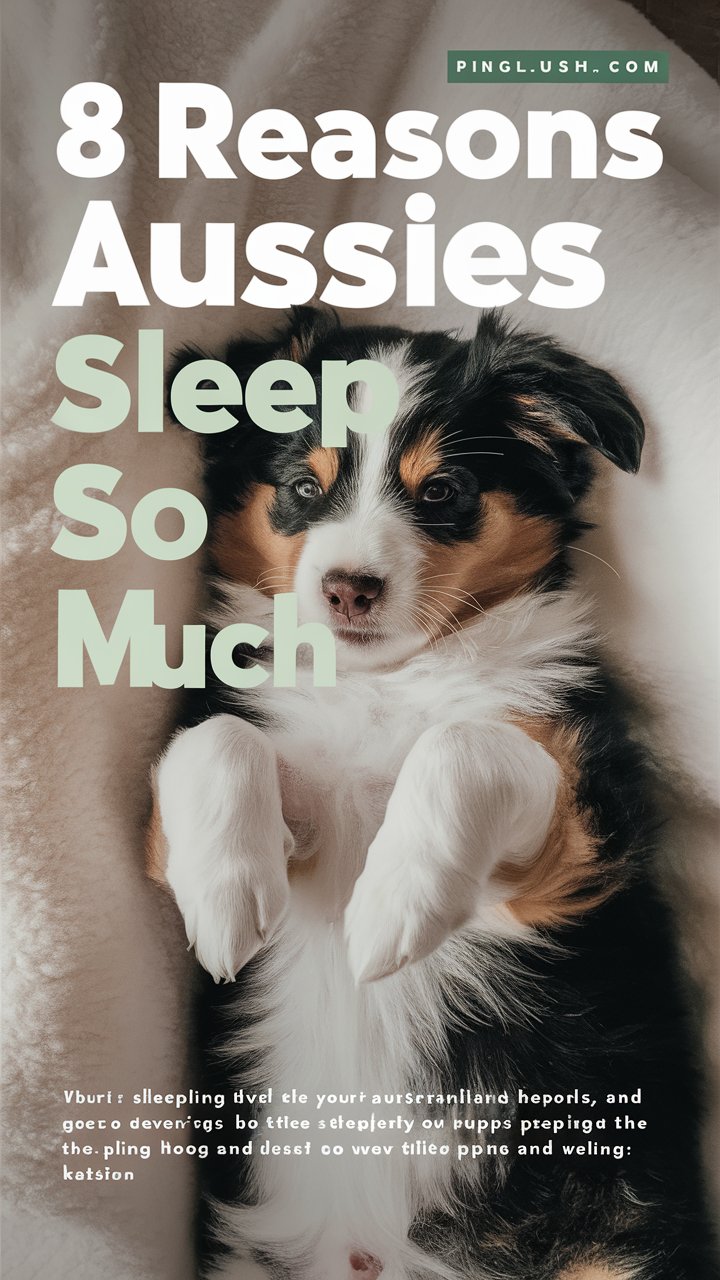
Discover 8 surprising reasons why your Australian Shepherd sleeps so much and learn expert tips to ensure healthy, restful sleep. Find out when it’s normal — and when it’s time to see the vet.
🐶 Introduction: Why Is My Aussie Always Sleeping?
Ever found your Australian Shepherd curled up and snoring while you’re only halfway through your morning coffee? 💤
Don’t worry — you’re not alone! Aussies are full of energy, but they also love their rest.
However, when your dog seems to be sleeping too much, it can raise questions like:
- Is this normal for Australian Shepherds?
- Or could there be something wrong?
Let’s dive into the 8 scientifically backed and expert-approved reasons why your Aussie sleeps so much — and what you can do to make sure it’s always healthy sleep, not a hidden health issue.
🕒 How Much Sleep Is Normal for Australian Shepherds?
Your Aussie’s sleep needs depend a lot on age, lifestyle, and daily activity.
Here’s a quick breakdown:
| Age Group | Average Sleep Time | Notes |
|---|---|---|
| Puppies | 16–20 hours/day | Growing fast = extra rest needed |
| Adults | 10–14 hours/day | 12 hours is average for healthy adults |
| Seniors | 16–18 hours/day | Aging dogs need more recovery time |
💡 Pro Tip: If your adult Aussie starts sleeping over 14–15 hours daily without extra exercise, it’s time to look deeper.
💤 1. Normal Breed Behavior — Aussies Need Recovery
Australian Shepherds are high-energy working dogs bred for herding.
That means after hours of mental and physical stimulation, their bodies demand deep rest to recover.
Unlike humans (who get 25% deep sleep), dogs only get about 10% deep sleep, so they need more total hours to feel refreshed.
🟢 Good Sign: If they’re active, eating well, and alert when awake, more sleep is perfectly normal.
🤸 2. Recovery from Exercise or Training
Had an active day at the park or introduced new agility training?
Your Aussie’s body burns tons of energy in both muscle recovery and mental focus.
It’s normal for them to crash for longer periods afterward — just like humans after a workout.
🔹 Expert Tip: Alternate intense playdays with lighter mental games to prevent overexertion and exhaustion.
😔 3. Emotional Changes or Depression
Dogs can experience depression just like humans.
Triggers include:
- Loss of a family member (human or pet)
- Major life changes (moving homes, new routines)
- Lack of attention or social interaction
Depressed Aussies may:
- Sleep much more than usual
- Lose interest in playtime or food
- Show low tail wagging and energy
❤️ How to Help:
Spend more one-on-one time, go on walks in new places, and use interactive toys that reward engagement.
🍽️ 4. Poor Nutrition or Low-Quality Diet
Food directly impacts your Aussie’s energy levels.
Cheap dog food filled with fillers, preservatives, and low protein can make them lethargic.
✅ Look for:
- Meat (chicken, lamb, beef) as the first ingredient
- High digestibility (>80%)
- Omega-3s for brain and joint health
🦴 Bonus Tip: Try adding dog-safe superfoods like sweet potatoes, salmon oil, or blueberries for a natural energy boost.
😴 5. Boredom or Lack of Mental Stimulation
Aussies are smart — too smart to sit around all day.
If they’re not mentally challenged, they’ll often just sleep out of boredom.
🧩 Fix It:
- Rotate toys every few days.
- Teach new tricks weekly.
- Try puzzle feeders or snuffle mats for feeding.
Keeping their brain busy = fewer naps, happier Aussie.
👵 6. Age & Energy Decline
As your Aussie grows older, their metabolism slows down, and sleep becomes their best friend.
Senior dogs often need 16+ hours of rest to recover their aging muscles and joints.
But don’t stop daily walks — even light exercise helps maintain their mental sharpness and mobility.
🩵 Pro Tip: Invest in orthopedic dog beds for joint comfort and better sleep quality.
🤢 7. Illness, Stomach Issues, or Feeling Off
If your Aussie suddenly starts sleeping a lot more, seems tired, and isn’t eating much — they could be feeling unwell.
Common culprits include:
- Digestive upset
- Mild infections
- Dehydration
- Stomach bugs
🚨 Watch for:
Vomiting, diarrhea, or unusual drooling — if symptoms last more than 24 hours, see your vet immediately.
⚕️ 8. Underlying Health Conditions
Sometimes, excessive sleep points to more serious medical issues.
Possible culprits:
- Diabetes: Fatigue from low energy conversion
- Cushing’s Disease: Hormonal imbalance causing weakness
- Heart or Liver Disease: Slows body metabolism
- Arthritis: Pain leading to reduced activity and oversleeping
🩺 Vet Check Tip:
If your Aussie’s sleep pattern changes suddenly or they show other symptoms (like excessive thirst, panting, or weight gain), schedule a vet visit.
💤 How to Help Your Aussie Sleep the Right Amount
Here are 4 proven ways to maintain balanced, healthy sleep:
1️⃣ Create a Consistent Routine
Dogs thrive on structure. Feed, walk, and sleep at the same time daily.
2️⃣ Prioritize Quality Food
Fuel them with energy-rich, balanced meals.
3️⃣ Exercise + Mental Games
Give at least 60–90 minutes of physical and mental activity daily.
4️⃣ Monitor Sleep Patterns
Use a pet tracker or smart collar to track their sleep cycles — early detection of changes can prevent bigger health issues.
❤️ Final Thoughts
Your Australian Shepherd’s love for sleep isn’t necessarily a bad thing — it’s part of their unique rhythm of high-energy bursts and deep recovery.
But if your pup’s naps seem excessive or sudden, it’s always smart to trust your instincts and check with a vet.
With proper care, diet, mental stimulation, and love, your Aussie will enjoy a lifetime of energetic play and peaceful dreams. 🐾