
Introduction
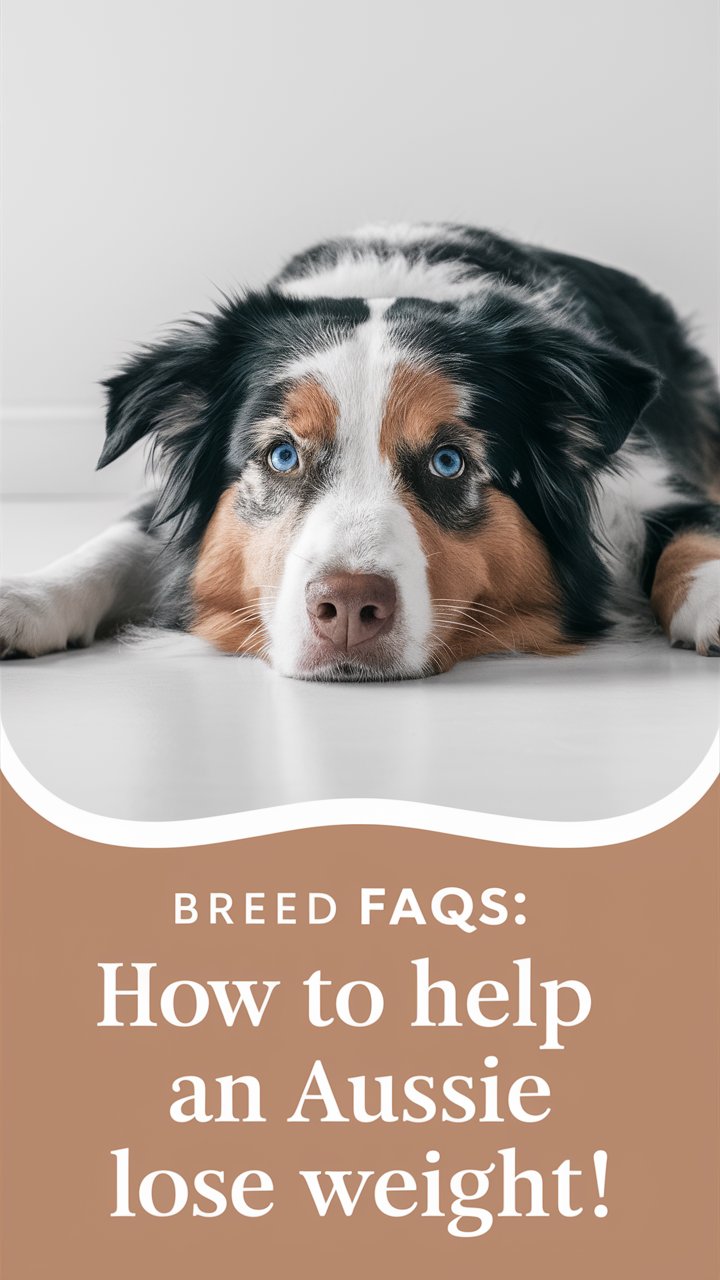
Australian Shepherds — energetic, loyal, and incredibly intelligent — are known for their athletic build and boundless enthusiasm. But what happens when your Aussie starts looking too thin, even though you’re feeding them well?
Many owners panic when their dog’s ribs or hip bones become visible. While it’s normal for this active breed to be lean, being too skinny can signal underlying health or nutritional issues.
In this in-depth guide, we’ll break down the 8 main reasons why Australian Shepherds get too skinny — plus 4 expert-backed tips to help them regain healthy weight safely and naturally. Whether your Aussie is a hyper herder, a picky eater, or facing a medical issue, you’ll find everything you need to help your furry friend thrive again.
🦴 8 Common Reasons Your Australian Shepherd Is Too Skinny
1. High Energy, High Metabolism
Australian Shepherds are working dogs by nature. Their energy levels are off the charts, and they’re constantly on the move — whether it’s chasing, herding, or playing fetch for hours.
Why it matters:
Their metabolic rate is naturally higher than most breeds. This means they burn calories faster than they can consume them.
Weak Point: Many owners feed Aussies the same portion as other dogs of similar size, not realizing that Aussies often need 25–30% more calories to maintain weight.
Expert Upgrade:
- Feed 3 smaller meals a day instead of 1 or 2 large ones.
- Add calorie-dense foods like salmon oil, peanut butter (unsweetened), or a high-fat dog food topper.
- Track calories using a dog calorie calculator for precise feeding.
2. Poor Diet Quality or Low-Protein Food
Not all dog foods are created equal. Some commercial brands are loaded with fillers (like corn, soy, or wheat) that offer little nutritional value.
Why it matters:
Australian Shepherds need high-quality animal protein (at least 25–30%) to build muscle and maintain healthy weight. Low-protein diets cause muscle loss, which can make your Aussie appear skinnier even if they eat regularly.
Weak Point:
Many owners assume “grain-free” means better quality, but grain-free diets can sometimes lack essential nutrients unless properly balanced.
Expert Upgrade:
Choose dog food that lists real meat (chicken, beef, or fish) as the first ingredient and contains omega fatty acids and probiotics.
👉 Recommended example: “Purina Pro Plan Sport,” “Orijen Original,” or “Blue Buffalo Wilderness High Protein.”
3. Intestinal Parasites (Worms or Giardia)
If your Aussie eats well but keeps losing weight, parasites could be the hidden enemy.
Why it matters:
Internal parasites steal nutrients from your dog’s food, leaving them malnourished despite eating adequately.
Common signs:
- Loose stools or diarrhea
- Bloating or gas
- Dull coat
- Low energy
Weak Point: Some owners assume deworming once a year is enough — but active breeds often need it more frequently, especially if they play outdoors or around livestock.
Expert Upgrade:
- Schedule a fecal test every 6 months.
- Use vet-approved dewormers like Panacur or Drontal Plus.
- Keep your dog’s play area clean and avoid contaminated water sources.
4. Dental or Mouth Pain
If your Aussie avoids dry kibble or chews slowly, it might not be about appetite — it could be dental pain.
Why it matters:
Tooth decay, gum disease, or broken teeth make chewing painful, leading to reduced food intake.
Weak Point: Owners often overlook dental checkups, assuming dogs’ teeth self-clean through chewing.
Expert Upgrade:
- Brush your dog’s teeth 3 times per week with dog toothpaste.
- Offer dental chews or vet-approved toys.
- Schedule annual dental cleanings.
5. Stress or Anxiety
Aussies are emotionally sensitive and deeply attached to their families. Changes in environment, new pets, or being left alone for long periods can cause anxiety-induced weight loss.
Signs include:
- Pacing or whining
- Refusing food
- Restlessness or drooling
Weak Point: Many owners misread anxiety as stubbornness or “picky eating.”
Expert Upgrade:
- Create a stable daily routine (walks, feeding times, and play).
- Provide mental stimulation: puzzle toys, scent games, or training exercises.
- Use natural calming aids like L-theanine or chamomile-based treats.
6. Digestive Disorders or Food Sensitivities
Some Aussies struggle with sensitive stomachs or conditions like IBD (Inflammatory Bowel Disease) or pancreatitis.
Why it matters:
Digestive issues reduce nutrient absorption, leading to weight loss and poor coat health.
Common signs:
- Frequent diarrhea or vomiting
- Gurgling stomach sounds
- Reluctance to eat certain foods
Weak Point: Owners often switch foods too frequently, which can worsen digestive upset.
Expert Upgrade:
- Use limited-ingredient diets (LID) or hypoallergenic foods.
- Add a daily dog probiotic (like FortiFlora or Native Pet).
- Include pumpkin puree or slippery elm powder to soothe the gut.
7. Underlying Health Problems
Conditions like thyroid disease, diabetes, or liver issues can cause unexplained weight loss in dogs.
Why it matters:
If your Aussie’s weight drops suddenly or they show other symptoms (like thirst, lethargy, or vomiting), it’s time for a vet visit.
Weak Point: Many owners try to fix the issue with diet alone, delaying proper diagnosis.
Expert Upgrade:
- Ask for a full blood panel to rule out hormonal or organ issues.
- Work with your vet to create a custom meal plan for your dog’s condition.
- Track weight weekly for early detection.
8. Aging or Senior Dog Metabolism
Older Aussies often lose weight due to muscle loss, slower digestion, or reduced appetite.
Why it matters:
Senior dogs require highly digestible proteins and joint-supporting nutrients to maintain body mass.
Weak Point: Owners often continue feeding adult formulas instead of switching to senior-specific diets.
Expert Upgrade:
- Choose senior dog food with added glucosamine, chondroitin, and omega-3s.
- Add soft wet food for easier chewing.
- Provide light exercise (like short walks or swimming) to maintain muscle tone.
🐶 4 Expert Tips to Help Your Australian Shepherd Gain Healthy Weight
1. Feed High-Calorie, Nutrient-Dense Meals
Instead of increasing portion size alone, focus on calorie density.
Add foods like boiled chicken, scrambled eggs, or salmon oil to each meal for extra calories and protein.
👉 Pro Tip: Mix kibble with wet food or bone broth to enhance flavor and encourage eating.
2. Establish a Consistent Feeding Routine
Feed your Aussie at the same times daily — morning, midday, and evening. Consistency helps regulate metabolism and appetite.
Upgrade Idea:
Add a small bedtime snack like cottage cheese or a spoon of peanut butter for slow overnight calorie release.
3. Use Probiotics and Digestive Enzymes
Probiotics boost nutrient absorption and overall gut health.
Look for formulas containing Lactobacillus acidophilus or Bifidobacterium strains.
Upgrade Tip: Combine with pumpkin puree or goat milk for natural digestive support.
4. Schedule Regular Vet Checkups
Unexplained weight loss should never be ignored. Regular vet visits ensure early detection of health issues and personalized diet plans.
Expert Suggestion:
Keep a weight log and body condition score to track gradual improvement. Healthy weight gain should be 0.5–1 pound per week in most Aussies.
🩺 When to Worry: Red Flags to Watch For
Call your vet immediately if your Aussie:
- Loses weight rapidly
- Vomits frequently
- Has bloody stools or constant diarrhea
- Refuses food for more than 24 hours
- Shows visible ribs or lethargy
Early action can prevent long-term health damage.
🌟 Final Thoughts
Australian Shepherds are naturally lean, but being too skinny isn’t normal if bones are visible or energy levels drop.
By identifying the root cause — from high metabolism to diet or stress — and applying these 4 expert tips, you can restore your dog’s ideal weight safely and effectively.
With the right balance of nutrition, care, and veterinary guidance, your Aussie will soon be back to their happy, energetic, tail-wagging self.