
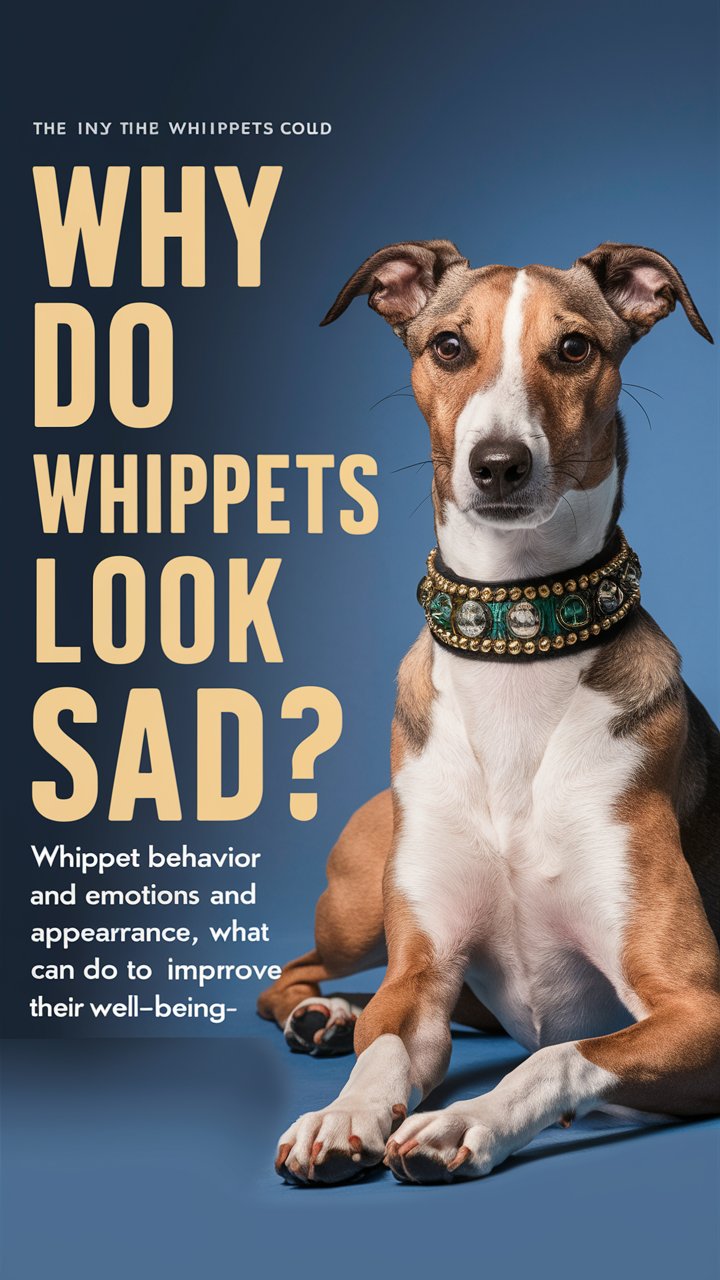
Whippets are graceful, affectionate, and loyal companions, but many owners notice one peculiar thing — they often look sad. Those soulful eyes and droopy expressions can make you feel like something is wrong. But is it really sadness, or just the way Whippets look?
In this guide, we’ll uncover:
✅ 8 real reasons why Whippets look sad (plus one surprising bonus reason)
✅ Signs to look for when sadness is a real problem
✅ 6 advanced tips to help keep your Whippet happy and healthy
✅ Expert insights from canine behavior studies
✅ FAQs every Whippet parent asks
Let’s dive in.
Why Do Whippets Look Sad?
Whippets are known for their gentle eyes, slim frames, and expressive faces. Unlike other breeds with constantly perky expressions, Whippets often appear melancholy — even when they’re perfectly content.
👉 Sometimes this “sad look” is just their natural facial structure.
👉 Other times, it’s a sign of emotional or physical distress.
Let’s break down the real reasons.
🐾 8 Real Reasons Why Whippets Look Sad
1. Boredom & Lack of Stimulation
Whippets are intelligent, high-energy dogs. Without at least 60 minutes of daily activity, they can quickly get bored. Boredom often shows up as a sad, pouty face — sometimes followed by a big dramatic sigh.
📌 Expert Tip: Rotate toys weekly, and mix in puzzle feeders to keep your Whippet mentally sharp.
2. Unintentionally Rewarding the “Sad Face”
If you rush to pet or cuddle your Whippet every time they pout, they learn that looking sad = attention. Over time, they’ll exaggerate this behavior to get what they want.
📌 Fix: Reward happy, calm behavior instead. This helps them associate joy with attention.
3. Mirroring Your Emotions
Dogs are incredibly attuned to human feelings. Studies show that dogs can detect emotional changes through scent and body language. If you’re stressed or sad, your Whippet may mirror that mood, appearing downcast.
📌 Fix: Keep routines stable and spend positive, playful time with your pup even on tough days.
4. Not Enough Exercise (Mental & Physical)
Whippets may not need endless running like Greyhounds, but they still thrive on daily sprints and walks. Without enough physical and mental activity, they may appear lethargic or sad.
📌 Fix: Combine walks with training drills, agility games, or short fetch sessions to burn energy.
5. Pain or Discomfort
A Whippet that suddenly looks sad, avoids movement, or isolates themselves may be in pain. Unlike humans, dogs hide discomfort until it becomes severe.
Signs to watch for:
- Sudden reluctance to jump or run
- Excessive licking of a body part
- Restlessness or whining
📌 Fix: If you suspect pain, see a vet immediately.
6. Jealousy
Whippets are affectionate and often become very attached to one person. When attention shifts to another pet or human, jealousy may appear in the form of sulking or sad eyes.
📌 Fix: Socialize your Whippet regularly, and include them in shared family moments.
7. Depression or Grief
Just like humans, Whippets can experience depression — especially after losing a companion or big life change. They may sleep more, eat less, and look perpetually sad.
📌 Fix: Maintain structure, give extra affection, and consult a vet if depression lingers.
8. Environmental Changes
A move, new schedule, or even rearranging furniture can stress out your Whippet. They thrive on routine, so disruption may lead to anxious or sad behavior.
📌 Fix: Establish a new routine quickly and reassure them with consistent care.
🔎 Bonus: That’s Just Their Face
Many Whippets simply have a naturally sad-looking expression due to their eye shape and slim head. This doesn’t mean they’re unhappy!
⚠️ When Sadness Is Something Serious
Not all sad looks are harmless. Seek veterinary advice if you notice:
- Constant lethargy or lack of interest in play
- Sudden changes in appetite
- Restlessness paired with whining or shaking
- Withdrawal from family interaction
These may signal health issues like arthritis, digestive problems, or even anxiety disorders.
🐶 6 Advanced Tips to Help Your Whippet Stay Happy
- Daily Enrichment Routine – Mix physical (walks, sprints) with mental (puzzle toys, scent games).
- Consistent Socialization – Regular playdates with other dogs prevent loneliness.
- Structured Training Sessions – Positive reinforcement builds confidence and reduces sadness.
- Ignore the Pout, Reward the Joy – Reinforce happy behaviors, not sad faces.
- Veterinary Check-ups – Early health screenings catch pain before it escalates.
- Create a “Comfort Zone” – A cozy bed with their favorite toys helps them feel secure.
📊 Quick Comparison: Normal Sad Face vs. Real Sadness
| Behavior | Normal Expression | Cause for Concern |
|---|---|---|
| Sad-looking eyes | ✅ Common | ❌ If paired with withdrawal |
| Dramatic sigh | ✅ Drama habit | ❌ If constant & restless |
| Sleeps after play | ✅ Normal rest | ❌ Oversleeping + no interest in food |
| Pouting after being ignored | ✅ Learned habit | ❌ If paired with lethargy |
🧠 FAQs About Whippets Looking Sad
Q1: Are Whippets naturally sad-looking dogs?
Yes, their eye shape often gives them a melancholy look — even when they’re perfectly happy.
Q2: How can I tell if my Whippet is truly depressed?
Look for reduced appetite, oversleeping, lack of interest in toys, or avoiding family.
Q3: Can Whippets get separation anxiety?
Absolutely. They bond deeply and may pout, whine, or seem sad when left alone.
Q4: What are the best toys to cheer up a sad Whippet?
Interactive feeders, squeaky toys, and agility tunnels work wonders.
🏁 Conclusion
Whippets may often look like the saddest dogs on earth, but most of the time it’s just their natural expression. However, understanding the difference between harmless “sad eyes” and signs of real discomfort or emotional distress is key to keeping them healthy and happy.
👉 With the right mix of exercise, attention, and love, your Whippet will thrive — and those “sad” eyes will only make them look even more adorable.