
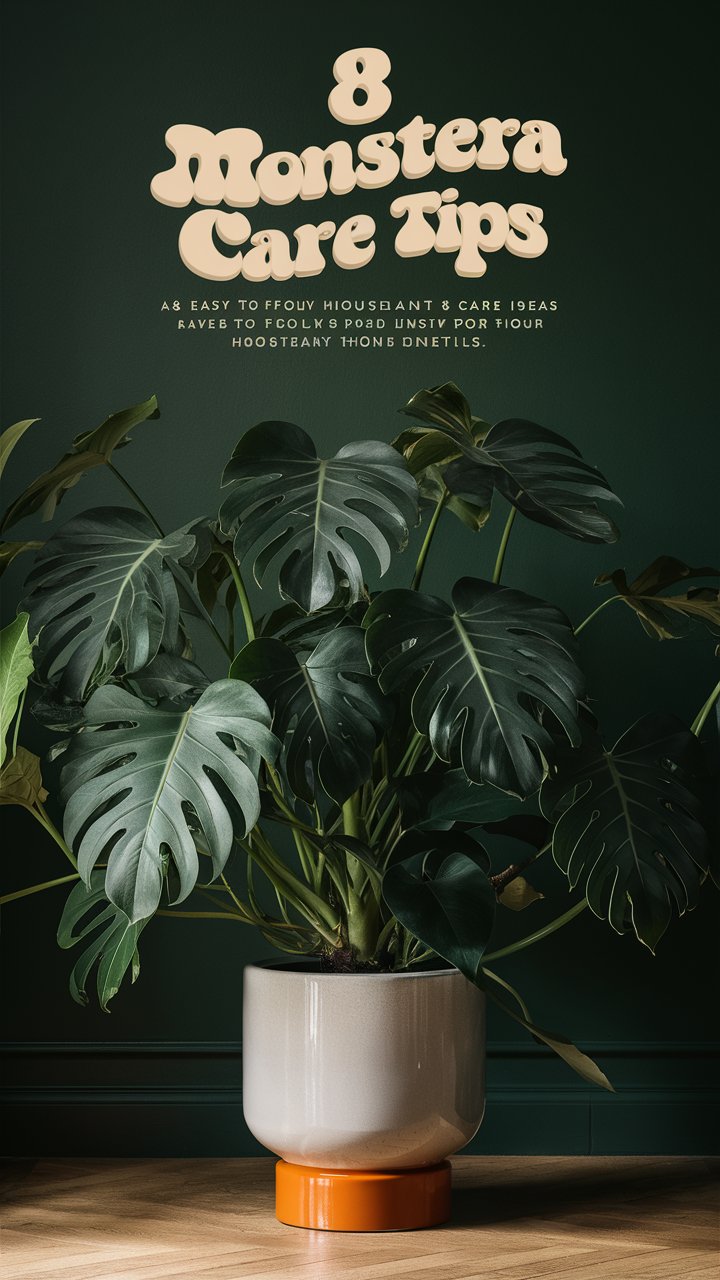
So, you’ve welcomed a Monstera into your home—congratulations! Whether it’s a Monstera deliciosa or a Monstera adansonii, these tropical stunners bring instant jungle vibes and Instagram-worthy flair to any space.
But here’s the truth: Monsteras are not just about good looks. They have specific needs, and if you want yours to grow lush, tall, and full of dramatic fenestrated leaves, you’ll need more than the basic care instructions.
This guide goes beyond beginner tips—here’s how to truly understand your Monstera and help it thrive.
💬 Quick Note: As Amazon Associates, we earn from qualifying purchases—at no extra cost to you.
1. Light: Balance Brightness and Protection
Monsteras naturally grow under the canopy of tropical rainforests, soaking up dappled light. They prefer bright, indirect light—direct sunlight can scorch their leaves, while too little light can cause leggy growth and loss of splits (fenestrations).
✅ Ideal Placement: Near an east-facing window or several feet away from a south-facing one. Rotate your plant monthly for even growth.
⚠️ Pro Tip: If the leaves remain solid (no splits), it’s time to increase light exposure. Fenestrations are a sign of maturity and optimal lighting.
2. Watering: Precision Over Routine
Forget the calendar. Monsteras want you to check their soil, not your watch. Water only when the top 1–2 inches of soil feel dry.
🚫 Overwatering is the number one killer. Symptoms include yellow leaves and soggy soil. Use a moisture meter if you’re unsure.
✅ Advanced Tip: Always empty the saucer under your pot after watering. Standing water = root rot risk.
3. Humidity: Create a Tropical Microclimate
Monsteras love humidity levels around 60% or higher, which can be a challenge in drier indoor environments.
🔹 Mist occasionally, but for real results:
- Use a humidifier.
- Add a pebble tray with water under the pot.
- Group plants together to create a natural humidity boost.
🌬️ Avoid placing near heating vents—they suck moisture out of the air and dry out the plant.
4. Soil: Go Chunky and Well-Draining
Monsteras need aerated, fast-draining soil that mimics rainforest floors.
🌱 DIY Soil Mix:
- 1 part high-quality potting mix
- 1 part orchid bark
- 1 part perlite or pumice
✅ Bonus Add-In: A small amount of worm castings or compost adds slow-release nutrients.
⚠️ Avoid dense soils—they trap moisture and suffocate roots.
5. Feeding: Fuel Growth the Right Way
During spring and summer, your Monstera craves extra nutrients. Use a balanced liquid fertilizer (like 20-20-20) diluted to half strength once a month.
🧪 For an organic option: Try a seaweed-based or fish emulsion fertilizer.
❄️ Winter Tip: Stop feeding during dormancy (late fall through winter). Overfeeding when the plant isn’t actively growing can lead to salt buildup and leaf burn.
6. Repotting: Know When to Upsize
If roots start poking out of the drainage holes or growth slows despite ideal care, it’s time to repot—usually every 12–24 months.
🪴 Repot in early spring before the growth surge.
🔄 Choose a pot that’s only 1–2 inches wider than the current one. Too much space = too much moisture = root rot risk.
7. Support: Encourage Vertical Growth
In the wild, Monsteras are climbers. A moss pole, trellis, or stake provides structure and encourages bigger, healthier leaves.
✅ Tip: Secure aerial roots to a moss pole to guide the plant upward. Mist the pole regularly to keep it moist—your Monstera will love it.
Without support, expect drooping, tangled growth and smaller leaves.
8. Pruning and Propagation: Shape and Multiply
Routine pruning keeps your Monstera tidy and encourages new growth. Cut yellowing, damaged, or overcrowded leaves with clean scissors.
💚 Want more Monsteras? Cut below a node and place the stem in water or moist soil—roots will form in 2–4 weeks.
🧪 Expert Tip: Use rooting hormone on stem cuttings for faster propagation success.
Common Monstera Problems (And Smart Fixes)
- Yellow Leaves = Overwatering. Let the soil dry more between waterings.
- Brown Edges = Low humidity. Mist more or run a humidifier.
- No Leaf Splits = Low light or immature plant. Be patient and adjust placement.
- Drooping Leaves = Either overwatering or root-bound roots—check both!
Final Thoughts: Let Your Monstera Thrive Like a Jungle Star 🌿
Caring for a Monstera isn’t hard—it just takes attention to detail. Once you get the basics down, these plants reward you with massive, dramatic foliage that turns any corner of your home into a tropical retreat.
Whether you’re a new plant parent or a seasoned green thumb, remember this: give your Monstera what it naturally wants—light, moisture, structure, and love—and it’ll flourish beyond your wildest plant dreams.