
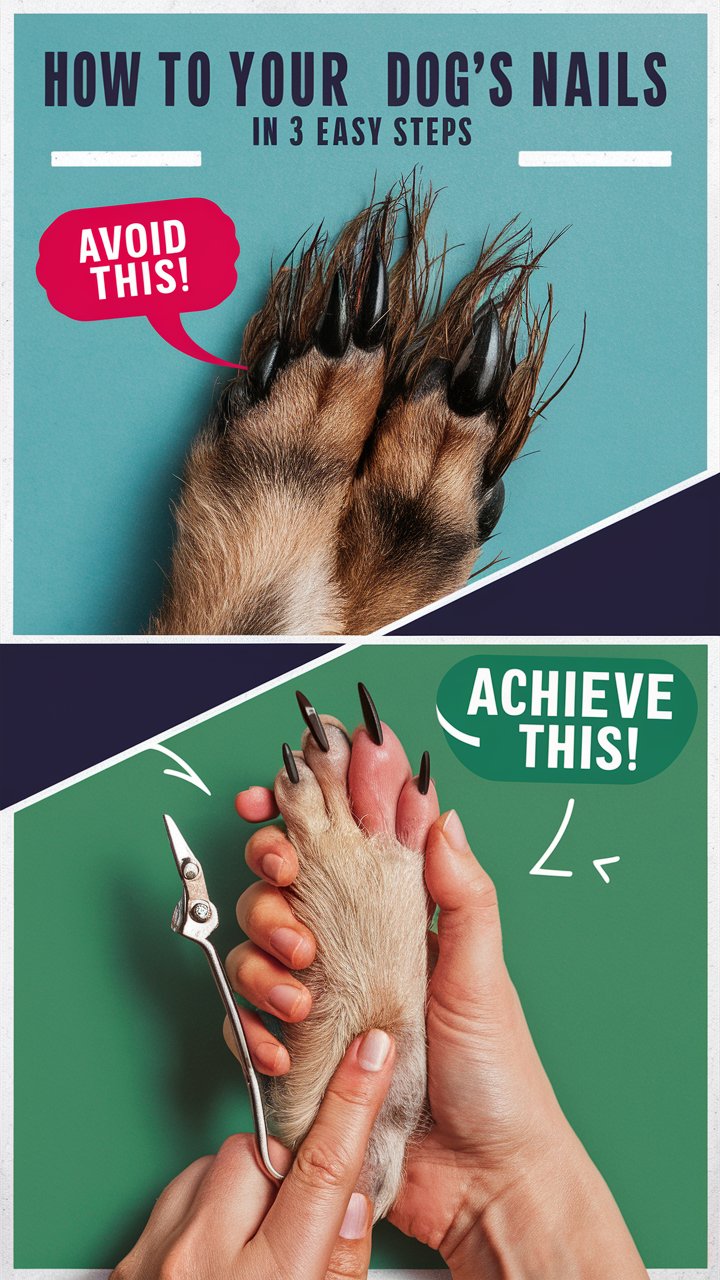
Introduction – Why Nail Hygiene Matters for Dogs
Dog grooming often focuses on fur brushing, bathing, and teeth cleaning—but nail care is one of the most overlooked parts of a dog’s hygiene routine. Dirty or overgrown nails don’t just look unkempt; they can cause pain, infections, posture problems, and even behavioral changes in your dog.
Think about it this way: you wouldn’t want dirt and bacteria under your own nails. Dogs walk, run, and dig on all kinds of surfaces—muddy yards, wet grass, dusty pavements—and that grime easily collects under their claws. If not cleaned regularly, it can lead to painful cracks, infections, and irritation.
This complete guide will give you 7 practical, advanced tips to clean your dog’s nails safely and stress-free, plus bonus vet-approved hacks, common mistakes to avoid, and FAQs to make your grooming routine easier.
How Often Should You Clean & Care for Dog Nails?
Every dog is different. Breed, lifestyle, and environment all play a role.
- Active outdoor dogs (hiking, running, digging): Clean nails weekly.
- Indoor or small breed dogs: Every 2–3 weeks may be enough.
- Long-haired breeds (Golden Retrievers, Collies): Need more frequent paw and nail checks because hair traps dirt.
- Older dogs: Require more frequent trims and checks, as their nails grow faster and they are less active (less natural wear).
👉 Pro Tip: Add nail checks to your dog’s weekly brushing routine. Consistency prevents buildup and makes nail cleaning easier.
Tip 1: Gather the Right Tools (Dog Clippers, Grinders & Cleaning Kits)
Having the proper tools is half the battle. Using the wrong equipment can cause painful splits or even injuries.
- Dog Nail Clippers – Choose between guillotine-style or scissor-style clippers designed specifically for dogs.
- Nail Grinders (Dremel tools) – Safer for beginners; they file rather than cut. Great for thick nails.
- Soft Nail Brush & Dog-Safe Wipes – For cleaning dirt under nails before trimming.
- Styptic Powder or Cornstarch – In case you accidentally nick the quick (the blood vessel inside the nail).
- Towel & Non-Slip Mat – Keeps your dog comfortable and stable during grooming.
👉 Weak point fixed: Most basic articles just say “use clippers.” Here we’re adding detailed product advice + safety tools.
Tip 2: Choose the Right Time & Environment (Stress-Free Grooming)
Nail care isn’t just physical—it’s emotional for dogs. If your dog fears nail trims, cleaning becomes a battle.
- Pick calm times: After a walk or play session when your dog is tired.
- Quiet environment: Avoid distractions and loud noises.
- Good lighting: You need to see the quick clearly (especially in dogs with light nails).
- Comfortable position: Small dogs can sit on your lap; large dogs should lie on a mat.
👉 Advanced tip: Play calming music or use dog pheromone sprays (Adaptil) to reduce anxiety.
Tip 3: Start with Paw & Nail Inspection
Before cleaning, inspect paws and nails carefully. Look for:
- Cracks, splits, or ingrown nails.
- Redness or swelling around nail beds.
- Foreign objects like pebbles, splinters, or grass seeds.
- Foul smell (early sign of infection).
👉 Fixing weak point: Many guides skip inspection, but this step prevents making existing injuries worse.
Tip 4: Clean the Nails Before Trimming (Safe Techniques & Products)
Never trim dirty nails—clean first. Dirt hides the quick and may cause infection if cut.
Cleaning methods:
- Warm water soak: Dip paws in warm water with mild dog shampoo for 2–3 minutes.
- Dog paw wipes: Quick option for lightly soiled nails.
- Soft brush: Gently scrub under nails to remove mud.
- Natural DIY cleaner: Mix 1 part apple cider vinegar with 2 parts water (antibacterial and safe in small amounts).
👉 Advanced hack: Apply a thin layer of paw balm afterward—it moisturizes nails and prevents cracking.
Tip 5: Trim or Grind Carefully (Step-by-Step with Safety Tricks)
This is where most owners struggle. Here’s the safe method:
- Hold the paw gently but firmly.
- Identify the quick (pinkish area inside the nail).
- Cut only the tip, at a 45° angle away from the quick.
- For dark nails, trim tiny slivers and look for a gray oval (stop before reaching it).
- Use a grinder for smooth edges and to prevent snagging.
👉 Advanced trick: Use a flashlight behind the nail to see the quick in black-nailed dogs.
Tip 6: Handle Splits, Dirt & Infections Properly
Sometimes cleaning reveals issues:
- Minor splits: File smooth, apply paw balm.
- Deep cracks/bleeding: Apply styptic powder; if frequent, consult a vet.
- Infections: Look for swelling, pus, or odor. Clean with vet-approved antiseptic and seek veterinary care if it doesn’t improve.
👉 Weak point fixed: Most basic blogs stop at trimming; here we cover health complications too.
Tip 7: Reward & Reinforce Positive Behavior
Dogs learn by association. Make nail cleaning a positive experience:
- Use high-value treats (chicken, cheese, or store-bought training treats).
- Praise calmly during and after.
- Keep sessions short at first; gradually increase time.
👉 Advanced advice: Pair nail care with “touch” training (teaching your dog to offer paws). This makes future sessions stress-free.
Common Mistakes Owners Make During Nail Care
- Cutting too much at once.
- Using human clippers instead of dog clippers.
- Ignoring dewclaws (extra nails on the side).
- Cleaning only when nails look dirty.
- Skipping paw pads (where dirt and ticks hide).
Extra Nail Care & Hygiene Hacks (Advanced Tips from Vets)
- Walking on concrete naturally files nails.
- Omega-3 supplements improve nail strength.
- Regular grooming appointments for anxious dogs.
- UV nail dryers (low heat) can help dry nails quickly after washing.
- DIY Paw Spa: Once a month, soak paws in Epsom salt solution to reduce bacteria and relax muscles.
FAQs About Dog Nail Cleaning & Care
Q: How can I tell if my dog’s nails are too long?
If you hear clicking on the floor or see nails touching the ground while standing, they’re too long.
Q: What if my dog hates nail trims?
Start slow. Clean and touch paws daily without cutting. Reward each time. Gradually introduce tools.
Q: Can I use baby wipes to clean dog nails?
No. They often contain chemicals harmful to dogs. Always use dog-safe wipes.
Q: How often should I grind instead of clip?
Grinding can be done every 1–2 weeks, clippers usually every 3–4 weeks depending on growth.
Final Thoughts – Building a Stress-Free Nail Care Routine
Clean, healthy nails are more than just cosmetic—they’re essential for your dog’s comfort, mobility, and health. By following these 7 advanced tips, you’ll make nail care a stress-free habit instead of a dreaded chore. Remember: patience, consistency, and the right tools are the keys to success.
Healthy nails mean happy paws—and a happier, healthier dog. 🐾