
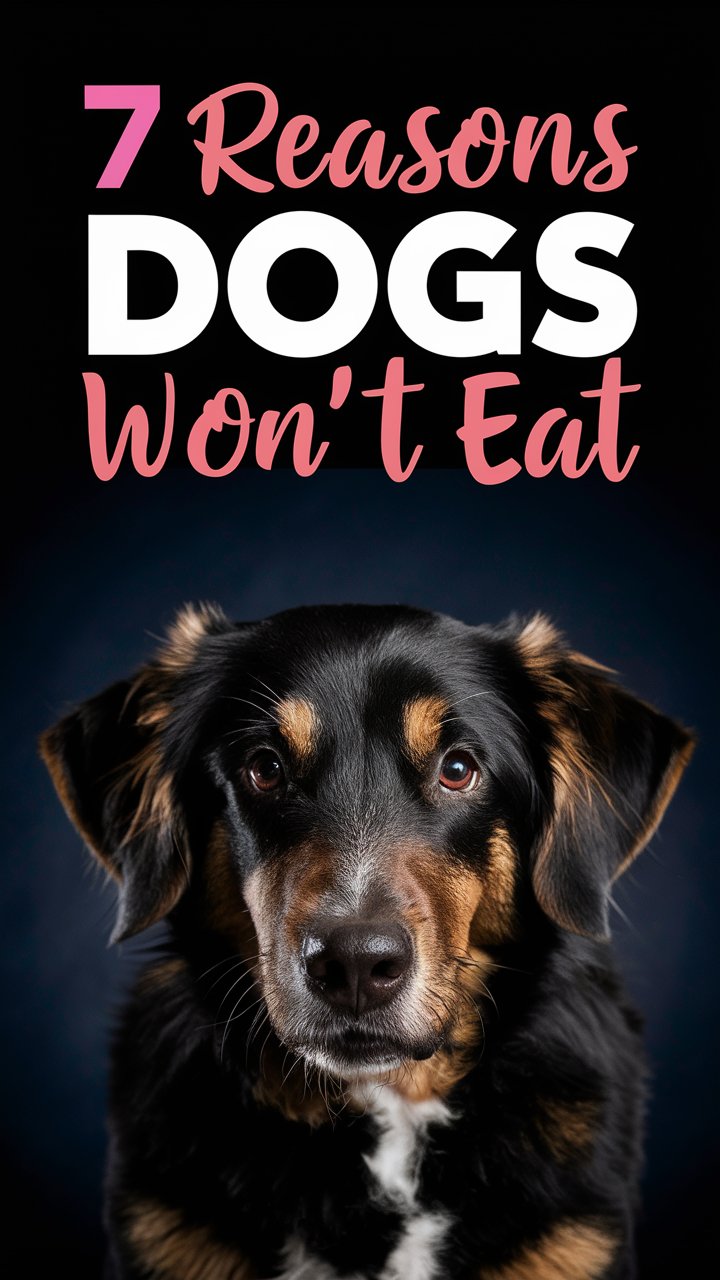
Dogs are usually known for their love of food, which is why it can be worrying when your pup suddenly refuses to eat. Whether you’ve got a playful puppy or a senior companion, loss of appetite is a red flag that needs your attention.
In this guide, we’ll break down the top reasons dogs stop eating, the signs you need to look out for, and vet-approved tips to help your dog regain their appetite.
📌 Why Won’t Your Dog Eat?
There isn’t one simple answer. Dogs may stop eating due to:
- Health issues
- Stress or anxiety
- Environmental changes
- Dental problems
- Or simply being picky
👉 The key is to observe your dog closely, because appetite loss can sometimes indicate something serious.
🐾 7 Common Reasons Why Dogs Stop Eating
1. Illness or Medical Condition
The most serious cause of appetite loss is illness. Conditions like:
- Stomach upset, infection, or parasites
- Kidney or liver disease
- Cancer or tumors
- Autoimmune disorders
- Pain or injury
📌 Pro Tip: If your dog refuses food for more than 24 hours, especially with vomiting, diarrhea, or lethargy — see a vet immediately.
2. Side Effects from Vaccination
Vaccines are essential for your dog’s health, but temporary side effects such as mild fever, fatigue, or loss of appetite are normal.
This usually resolves within 24–48 hours.
3. Stress, Anxiety, or Environmental Change
Dogs are creatures of habit. Moving homes, traveling, or even introducing a new pet or baby can disrupt their routine and appetite.
Separation anxiety is another common trigger.
💡 Solution: Keep a consistent schedule and provide a safe, calm environment.
4. Dental Pain or Oral Issues
Over 80% of dogs develop dental disease by age 3. Pain from:
- Broken or loose teeth
- Swollen gums
- Oral tumors
… can make chewing unbearable.
✅ Check your dog’s mouth and schedule regular dental cleanings with your vet.
5. Picky Eating Habits
Some dogs simply don’t like certain foods. But often, picky eating happens because they’ve learned that refusing kibble gets them tastier treats or human food.
👉 Remember: A healthy dog won’t starve itself.
6. Bad Food or Dirty Bowl
Dogs have a strong sense of smell. If the food is stale, spoiled, or stored improperly, they’ll avoid it. Likewise, dirty bowls can discourage eating.
🧼 Clean your dog’s bowl daily and store kibble in airtight containers.
7. Lack of Exercise
Low activity = low appetite. Just like humans, dogs need exercise to stimulate hunger.
⚡ Try this: Take your pup for a walk or play session before meals to naturally boost appetite.
🔎 Advanced Tips to Get Your Dog Eating Again
Here’s where most articles stop at basics, but these vet-approved, advanced strategies can really help:
- Switch to Highly Palatable Foods – Try freeze-dried raw toppers, wet food, or prescription diets recommended by vets.
- Warm It Up – Slightly heating your dog’s food enhances aroma and taste.
- Add Food Toppers – Low-sodium chicken broth, bone broth, or vet-approved probiotics (like Fortiflora) can encourage eating.
- Use Puzzle Feeders – Make mealtime fun with interactive toys or slow-feeder bowls.
- Stick to a Routine – Feed at the same time daily. Pick up uneaten food after 15 minutes.
- Limit Treats & Table Scraps – Overindulgence in snacks often kills appetite for regular meals.
- Vet Consultation – If appetite loss persists, advanced diagnostics like blood tests or ultrasounds may be required.
⚠️ When to See a Vet Immediately
- Dog hasn’t eaten in over 24–48 hours
- Accompanied by vomiting, diarrhea, or extreme lethargy
- Noticeable weight loss or dehydration
- Refuses both food and water
Never delay professional help if your dog shows multiple symptoms.
✅ Final Thoughts
Most of the time, appetite loss in dogs is temporary and manageable with patience, consistency, and a few smart tricks. However, it can also be a sign of something serious.
Your best bet is to:
- Rule out medical issues quickly
- Make meals more appealing with safe enhancers
- Stick to routines and training to avoid picky eating
By combining observation, advanced feeding techniques, and timely veterinary care, you can ensure your dog gets back to enjoying mealtime and stays healthy.