
Meta Description:
Master dog recall training with these 7 proven tips to get your pup running back to you—every time. Fun, positive, and backed by trainer-approved methods.
Introduction: Why Recall Training Matters
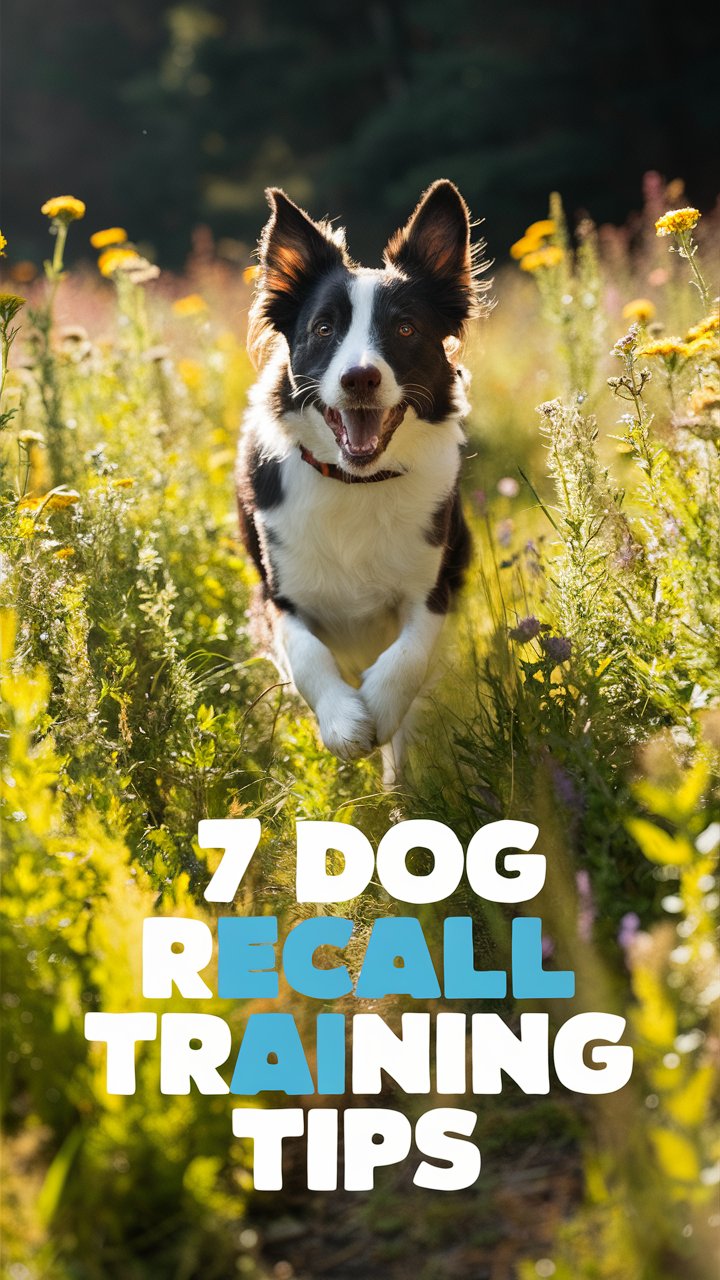
Imagine this: you call your dog’s name, and no matter what they’re doing—sniffing, playing, or chasing a squirrel—they drop everything and sprint straight to you. That’s the power of reliable recall.
Solid recall training isn’t just a cool party trick—it’s a lifesaving skill. Whether you’re hiking off-leash, playing in the park, or trying to prevent your dog from running into traffic, recall can make all the difference.
In this guide, we’ll go beyond basic “come here” commands with 7 proven recall training tips that are easy to follow, fun for your dog, and grounded in positive reinforcement.
1. Start Small: Build Recall in a Low-Distraction Zone
Before testing your dog’s recall in the park, start in a calm, controlled environment—like your living room, hallway, or fenced backyard.
How to do it:
- Stand just a few steps away from your dog.
- Call their name in a happy, upbeat tone (avoid shouting).
- When they come, reward immediately with a treat or praise.
- Repeat, slowly increasing the distance.
Why it works:
Starting indoors removes distractions and sets your dog up for success. You’re teaching them that coming to you always leads to something good.
2. Make the Reward Irresistible
Dogs are smart—they know when something’s worth their time. If “come” always means a boring end to playtime, they’ll ignore you.
Best rewards for recall:
- High-value treats (cheese cubes, chicken bits, freeze-dried liver)
- A favorite toy or game of tug
- Enthusiastic praise—be over-the-top happy when they come
Pro Trainer Tip:
Mix it up. Sometimes it’s a treat, other times it’s a game. The unpredictability keeps your dog excited to see what’s next.
3. Create a “Special Recall Cue”
Instead of using “come” for everything, create a unique recall signal that your dog hears only during training or emergencies.
Examples:
- A whistle
- “Here, pup-pup!”
- A short clap sequence
Why it works:
This cue becomes their VIP signal—when they hear it, they know something amazing is about to happen.
4. Train With a Long Leash for Outdoor Success
Once your dog is responding indoors, it’s time to add space and distractions—without losing control.
How to train with a long line (20–30 ft):
- Let your dog explore.
- Call your recall cue.
- If they hesitate, gently reel them in, then reward generously when they arrive.
Pro Trainer Tip:
Don’t rely on the leash forever. Gradually transition to off-leash training once your dog is consistently responding.
5. Never Punish for Coming Late
Even if your dog takes their sweet time returning, always reward them for eventually coming back.
Why:
Punishment confuses them and makes them less likely to return next time. Recall should always feel safe and positive.
6. Turn Recall Into a Fun Game
Dogs learn best when training feels like playtime.
Fun recall games:
- Hide-and-Seek: Hide in another room and call them to find you.
- Catch & Release: Call them, reward, then release them back to play.
- Chase Me: Run in the opposite direction after calling—dogs love the chase!
Keep sessions short (5–10 mins) to avoid boredom.
7. Gradually Add Distractions
Once your dog is nailing recall in calm settings, start adding challenges.
Step-up approach:
- Backyard with toys on the ground.
- Park with a few dogs in the distance.
- Busy trail or dog beach.
Always reward big in high-distraction environments—make coming to you more rewarding than anything else happening around them.
Bonus: Troubleshooting Common Recall Problems
| Problem | Why It Happens | Quick Fix |
|---|---|---|
| Dog ignores cue | Cue is overused or unmotivating | Use high-value rewards & a special recall cue |
| Dog runs the other way | Recall = end of fun | Use “catch & release” so recall doesn’t always mean leaving |
| Dog comes slowly | Low reward value | Increase treat quality or make arrival more exciting |
Common Mistakes to Avoid
❌ Using recall only when playtime ends
❌ Calling your dog when angry
❌ Overusing their name for scolding
❌ Training only in one environment
Quick-Reference: Recall Training Cheat Sheet
- Start indoors, then move outside gradually
- Use high-value, varied rewards
- Create a special cue used only for recall
- Train with a long leash before going off-leash
- Never punish—even if they’re slow
- Make it a game
- Add distractions in stages
Final Thoughts
Reliable recall takes patience, consistency, and a whole lot of treats—but it’s worth every minute. Not only does it make life easier, it can literally save your dog’s life.
Remember: keep it positive, keep it fun, and celebrate every success. One day, you’ll call, and your dog will sprint toward you with their tail wagging—and in that moment, you’ll know all the training paid off. 🐾