
By David | Updated July 2025
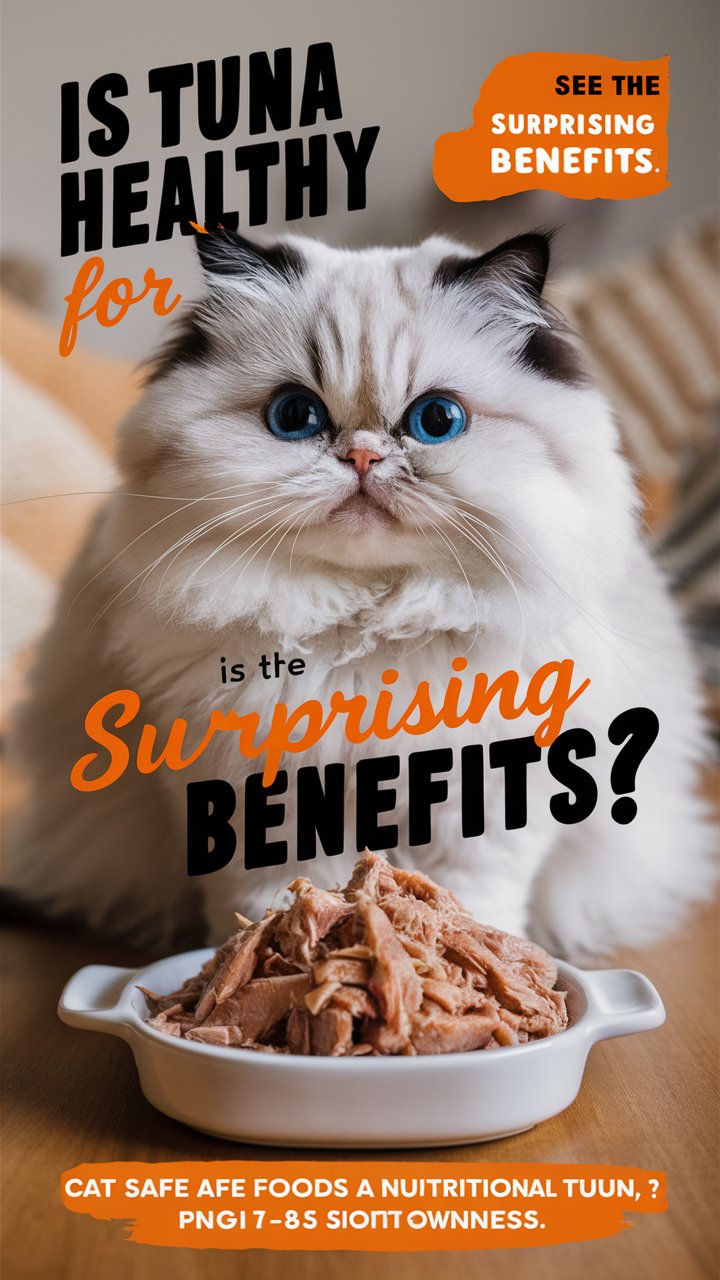
Let’s be honest: if your cat could talk, they’d probably demand gourmet meals—daily. And when it comes to tuna, the obsession is real. Whether it’s the crinkle of a can or the aroma wafting through the kitchen, tuna is an irresistible favorite among felines.
But should tuna be a daily affair? And how can we give our whiskered friends something healthier, safer, and tastier than store-bought pouches loaded with fillers?
That’s where homemade tuna cat food steps in.
In this guide, we’re diving deep into 7 delicious, vet-informed tuna-based recipes your cat will love. Plus, you’ll learn how to prepare these meals safely, balance nutrition, manage portions, and even store them like a pro.
Let’s get cooking—and purring.
🐟 Is Tuna Safe for Cats?
Yes—with moderation and the right preparation. Tuna is rich in protein and omega-3 fatty acids, which promote a shiny coat, joint health, and brain function. But tuna alone is not a complete diet.
✅ Best Practices:
- Always use tuna in water, not oil or brine.
- Avoid added salt or seasoning.
- Serve in moderation—tuna should be an occasional treat or meal supplement.
- Complement with other nutrients like taurine, calcium, and vitamins.
⚠️ Vet Tip:
Excess tuna can lead to mercury poisoning, vitamin E deficiency, or steatosis (fatty liver disease) in cats. Always consult your vet before making homemade food part of your cat’s regular diet.
🍽️ 1. Classic Tuna Cat Meal (Balanced & Simple)
Why it works:
This recipe is great for beginners and picky eaters. It includes taurine-rich ingredients and essential fats.
Ingredients:
- 1 can tuna in water (no salt)
- 1 boiled egg (mashed)
- 1 tbsp cooked quinoa or brown rice
- 1 tsp olive oil
- Pinch of taurine powder (optional, consult your vet)
Instructions:
- Drain tuna and place it in a clean bowl.
- Add the mashed egg and cooked grains.
- Mix in olive oil and taurine.
- Serve at room temperature.
Storage: Store in the fridge for up to 2 days. Warm slightly before serving.
🎃 2. Tuna & Pumpkin Digestive Booster
Pumpkin is excellent for digestion—perfect for cats prone to constipation or diarrhea.
Ingredients:
- 1 can tuna (in water)
- 2 tbsp plain canned pumpkin (no spices)
- 1/2 tsp flaxseed oil (optional)
Instructions:
- Drain tuna and mix with pumpkin.
- Add flaxseed oil and stir well.
- Serve fresh or refrigerate.
Nutritional Note: Pumpkin is rich in fiber and beta-carotene. Always use plain pumpkin, not pie filling.
🥚 3. Tuna & Egg Protein Power Bowl
Eggs are a bioavailable protein source for cats—great for muscle health.
Ingredients:
- 1 can tuna
- 1 hard-boiled egg, mashed
- 1 tbsp cottage cheese (unsalted)
Instructions:
- Combine all ingredients in a bowl.
- Mash into a smooth texture.
- Serve immediately.
Bonus Tip: Introduce dairy (like cottage cheese) cautiously; some cats are lactose intolerant.
🍠 4. Sweet Potato & Tuna Mash (For Sensitive Stomachs)
Sweet potatoes are a gentle, nutritious carb source packed with fiber and antioxidants.
Ingredients:
- 1/4 cup cooked, mashed sweet potato (no salt or butter)
- 1 can tuna
- 1/4 tsp salmon oil or fish oil (optional)
Instructions:
- Mix tuna and mashed sweet potato.
- Stir in oil and serve.
Vegan Tip: Substitute sweet potato with pumpkin or carrot for variety.
🥕 5. Tuna & Carrot Crunch
Great for dental health and vitamin A support.
Ingredients:
- 1 can tuna
- 2 tbsp steamed and finely grated carrots
- 1 tsp nutritional yeast (cats love the cheesy flavor!)
Instructions:
- Steam carrots until soft.
- Mix with tuna and nutritional yeast.
- Cool and serve.
Cat Tip: If your cat isn’t into carrots, try zucchini or cooked green beans.
🌿 6. Tuna & Spinach Energy Blend
Spinach adds essential minerals like iron and magnesium. But moderation is key.
Ingredients:
- 1 can tuna
- 1 tbsp cooked spinach (chopped finely)
- 1/2 tsp cooked egg yolk (optional for richness)
Instructions:
- Mix tuna with chopped spinach and yolk.
- Serve fresh or slightly warm.
Health Tip: Avoid spinach in cats with urinary or kidney issues due to oxalates.
🍗 7. Tuna & Chicken Supreme
Packed with lean protein, this meal keeps your cat energized and full longer.
Ingredients:
- 1 can tuna
- 1/4 cup boiled chicken breast (shredded, skinless)
- 1 tbsp cooked brown rice
- 1/2 tsp bone meal or calcium supplement (optional)
Instructions:
- Combine all ingredients in a bowl.
- Mash or blend to desired consistency.
- Serve fresh and store leftovers properly.
Feeding Tip: Portion based on weight—about 1/4 to 1/3 cup per 8 lbs of cat body weight.
🧠 Advanced Tips: Making Homemade Cat Food the Right Way
✅ Portion Control
- Adult cats need about 20 calories per pound per day.
- Tuna-based meals should be no more than 10–15% of the total weekly diet.
✅ Supplement Wisely
Homemade food often lacks:
- Taurine
- Vitamin E
- Calcium
Use commercial feline supplements or consult a vet for tailored additions.
✅ Storage Guidelines
- Refrigerate leftovers for up to 2 days in airtight containers.
- Freeze portions for up to 3 weeks—thaw overnight in the fridge.
- Never microwave directly, as it can create hot spots and destroy nutrients.
🙋♀️ FAQs About Tuna-Based Cat Food
1. Can I feed my cat homemade tuna food daily?
Only if it’s part of a balanced and vet-approved diet. Tuna alone is not complete nutrition.
2. Can kittens eat these recipes?
Most are safe for kittens over 8 weeks, but always consult your vet. Kittens require more calories, protein, and calcium.
3. Can I use raw tuna?
No. Raw fish carries the risk of parasites and thiaminase, which breaks down vitamin B1.
4. How much tuna is too much?
Limit to 1–2 tablespoons, 2–3 times a week.
5. How can I tell if my cat has a tuna intolerance?
Look for vomiting, diarrhea, or excessive scratching after meals. Discontinue and contact your vet.
✨ Final Thoughts: Nourish Your Cat With Love
Homemade cat food doesn’t have to be intimidating. With a few safe ingredients, proper guidance, and a pinch of love, you can create delicious, balanced meals that support your cat’s health—and taste buds.
The tuna-based recipes above aren’t just easy; they’re nutritious, budget-friendly, and fully customizable to your cat’s needs. Just remember, variety and moderation are key.
Before making homemade meals a staple, always speak to your vet. Each cat is unique, and nutritional needs can vary based on age, weight, and health conditions.
Your feline friend deserves the best—and now, you’re fully equipped to give it to them. 😻