
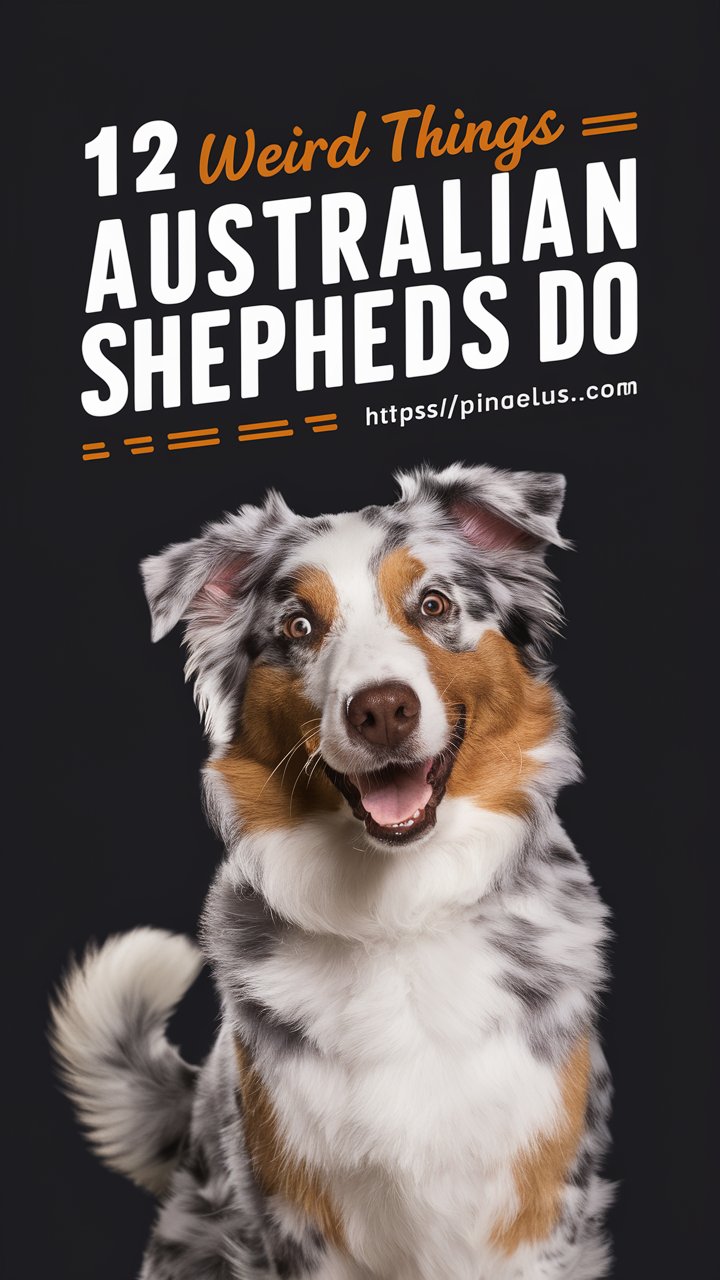
Meta Description:
Discover 12 weird yet adorable things Australian Shepherds do and what they really mean! Expert explanations, fun insights, and training tips every Aussie parent should know.
🐶 Introduction: Why Are Australian Shepherds So Weird (and Wonderful)?
If you own an Australian Shepherd, you already know — life with this breed is anything but ordinary.
From dramatic side-eyes to random 3 a.m. zoomies, your Aussie’s behavior might sometimes make you wonder, “Is my dog broken… or just brilliant?”
Spoiler: it’s the latter.
Australian Shepherds are one of the most intelligent, energetic, and emotionally aware dog breeds in the world. Their so-called “weird” behaviors are often signs of instinct, intelligence, and communication — not madness. But if you’ve ever caught your Aussie staring at the wall, splooting on the floor, or herding your kids in circles, this guide is for you.
Today, we’re decoding 12 weird things Australian Shepherds do, backed by behavioral science, expert advice, and real-owner insight — so you’ll understand what’s normal, what’s not, and how to make the most of your Aussie’s quirks.
🧠 Why Do Australian Shepherds Behave So Strangely?
Before jumping into the weird list, let’s get one thing straight:
Most of your Aussie’s “odd” habits come down to three things:
- Herding Instincts:
They were bred to herd livestock. Even without sheep, that instinct never turns off — they’ll herd you, other pets, or even furniture. - Extreme Intelligence:
Aussies rank among the smartest breeds in the world. That means they need mental stimulation constantly — or they invent weird games to entertain themselves. - Emotional Sensitivity:
These dogs are emotionally intuitive. They feel your energy, mood, and tone deeply. Their reactions often mirror your stress or excitement.
Now that we know why they’re quirky, let’s explore what those quirks actually look like — and what they mean.
🐾 1. The Legendary Zoomies (Frenzied Energy Bursts)
You’ve seen it — one second your Aussie is calm, the next, they’re sprinting in circles like a cartoon character.
💡 Why It Happens:
Zoomies are a normal release of pent-up energy and dopamine. High-energy breeds like Aussies need multiple daily outlets, and zoomies help them self-regulate.
✅ Expert Tip:
Schedule structured playtime twice a day. Use games like frisbee, fetch, or agility to help your dog burn off that energy before it turns into chaos.
⚠️ Weak Point (and Fix):
If zoomies happen indoors or too often, it’s a sign of under-exercise or boredom. Increase mental stimulation — puzzle feeders, obedience drills, or trick training work wonders.
🐕 2. The Intense Stare (Aussie’s “Laser Eyes”)
That piercing stare isn’t just creepy — it’s communication.
💡 Why It Happens:
Aussies use their stare for herding and to read your cues. It’s their way of saying, “What’s next, boss?”
✅ Expert Tip:
Use that focus to your advantage. Aussies excel in advanced obedience, agility, and scent work because of their ability to maintain eye contact and concentration.
⚠️ Weak Point (and Fix):
If your dog’s stare feels anxious or obsessive, it might be over-fixation. Break the stare gently with a command or toy to redirect attention.
🐕🦺 3. The “Sploot” — The Belly-Flat Pose
That adorable pose where your Aussie stretches flat with legs behind them? Totally normal.
💡 Why It Happens:
Splooting helps them stretch their hips and cool down. It’s often seen in flexible, athletic dogs.
✅ Expert Tip:
Regular splooting = good hip mobility. But if it’s paired with stiffness, limping, or whining, get a vet check for joint discomfort or hip dysplasia.
🐾 4. Herding Children, Cats, or Even You
Does your Aussie nip at your ankles or circle your kids? That’s not bad behavior — it’s instinct.
💡 Why It Happens:
They’re wired to control movement. Without livestock, humans become their “flock.”
✅ Expert Tip:
Redirect this instinct with jobs — teach them structured fetch, frisbee, or agility routines. Give them something to “work on.”
⚠️ Weak Point (and Fix):
If it turns into rough herding or nipping, stop play immediately. Use positive reinforcement and redirection training.
🐶 5. The “Talking” Behavior — Growls, Whines, and Grumbles
Your Aussie’s vocal range can sound like a full-blown conversation.
💡 Why It Happens:
Highly social breeds “talk” to express emotion — boredom, excitement, frustration, or joy.
✅ Expert Tip:
Acknowledge their sounds with calm responses. But if it’s constant, they might need more exercise or attention.
⚠️ Weak Point (and Fix):
Too much vocalizing often means mental restlessness. Rotate toys weekly and introduce new tricks to challenge their brain.
🐕 6. Spinning in Circles Before Sitting or Lying Down
This prehistoric habit goes way back to wolves.
💡 Why It Happens:
Dogs circle to create comfort and check surroundings before settling. Aussies retain this ancestral behavior.
✅ Expert Tip:
Totally normal — but if your dog spins excessively before lying down, it might indicate anxiety or OCD tendencies.
⚠️ Weak Point (and Fix):
Too much spinning or tail chasing might point to lack of exercise or overstimulation. Increase structured walks and sniffing sessions.
🐾 7. Shadowing You Everywhere (The “Velcro Dog” Syndrome)
If your Aussie follows you from room to room, you’re not imagining it — you’re their entire world.
💡 Why It Happens:
They’re loyal herding dogs who thrive on companionship and direction. They literally feel incomplete when away from you.
✅ Expert Tip:
Teach “place” or “stay” commands to help them gain independence gradually.
⚠️ Weak Point (and Fix):
Excessive clinginess may evolve into separation anxiety. Practice short absences and provide safe enrichment when you’re away.
🐶 8. Obsessive Ball or Toy Fixation
Some Aussies will stare at their ball for hours — waiting for the next throw.
💡 Why It Happens:
Their working drive craves purpose. A ball becomes a “job.”
✅ Expert Tip:
Channel obsession into structured playtime — fetch, frisbee, or training. End sessions intentionally to prevent overexcitement.
⚠️ Weak Point (and Fix):
Don’t let toy play dominate their day. Introduce downtime cues like “all done” to balance energy.
🐾 9. The Weird Habit of Eating Grass (or Even Poop 😬)
Yup — it happens.
💡 Why It Happens:
Grass-eating is instinctive for digestion or boredom. Poop eating (coprophagia) might signal dietary deficiencies or anxiety.
✅ Expert Tip:
Feed a balanced, fiber-rich diet and provide more chew toys. Keep playtimes engaging.
⚠️ Weak Point (and Fix):
If it’s frequent, consult your vet — it can indicate enzyme deficiencies or behavioral stress.
🐕 10. Random Barking at “Nothing”
Sometimes your Aussie barks at walls, shadows, or invisible forces.
💡 Why It Happens:
They have ultra-sensitive hearing. They might hear things far beyond human range — or be alerting to subtle movement.
✅ Expert Tip:
Reward calmness. Teach “quiet” on command. Use enrichment games to reduce hyper-alertness.
⚠️ Weak Point (and Fix):
If barking is excessive, rule out anxiety or lack of mental stimulation.
🐾 11. Digging on the Bed or Sofa
That “digging” before lying down? Another wolf instinct.
💡 Why It Happens:
Dogs used to dig to soften ground and regulate temperature. Aussies mimic that instinct indoors.
✅ Expert Tip:
Give them a designated cozy blanket or dog bed where they can dig freely.
⚠️ Weak Point (and Fix):
Excessive digging might signal boredom or stress. Add more exercise and a digging zone outdoors.
🐶 12. Sleeping in Weird Positions (Upside Down or Paw-Tucked)
Ever found your Aussie sleeping belly-up or twisted like a pretzel? Don’t worry — it’s adorable and normal.
💡 Why It Happens:
Odd sleeping poses reflect comfort, security, and cooling.
✅ Expert Tip:
Dogs who sleep belly-up trust their environment completely — it’s a sign of happiness and safety.
⚕️ When “Weird” Becomes a Warning
Not all weird behavior is harmless. Watch for:
- Sudden personality change
- Aggression, growling at nothing
- Loss of appetite
- Lethargy or obsessive repetition
These can signal anxiety, OCD, or health issues. Always consult a vet if a behavior becomes extreme or new.
🧩 Expert Tips for Managing Quirky Aussie Behaviors
- 🕒 Stick to a Routine: Aussies thrive on predictability.
- 🧠 Mental Games Matter: Teach scent work, puzzle toys, or advanced obedience.
- 🏃♂️ Exercise Is Non-Negotiable: Minimum 90 minutes daily.
- 💬 Use Positive Reinforcement: Praise and reward good behaviors immediately.
- 🐾 Provide “Jobs”: Let them carry toys, herd balls, or perform tricks — they love purpose.
❤️ Why We Love Their Weirdness
Let’s be honest — these quirks make Australian Shepherds unforgettable.
Their intelligence, loyalty, and humor are unmatched.
When they stare into your eyes, you can almost hear them saying, “You’re my flock — I’ve got you.”
Their weirdness isn’t a flaw — it’s their charm.
And when you understand it, you don’t just train them better — you connect deeper.
✨ Final Thoughts: Embrace the Aussie Weirdness
Every weird behavior has meaning.
Every quirk hides intelligence, instinct, and emotion.
When you decode your Aussie’s language, you stop being just an owner — you become their partner.
So next time your Australian Shepherd zooms around the living room or stares at you like a tiny genius plotting world domination, just smile — because you’re sharing life with one of the most fascinating breeds on earth.