
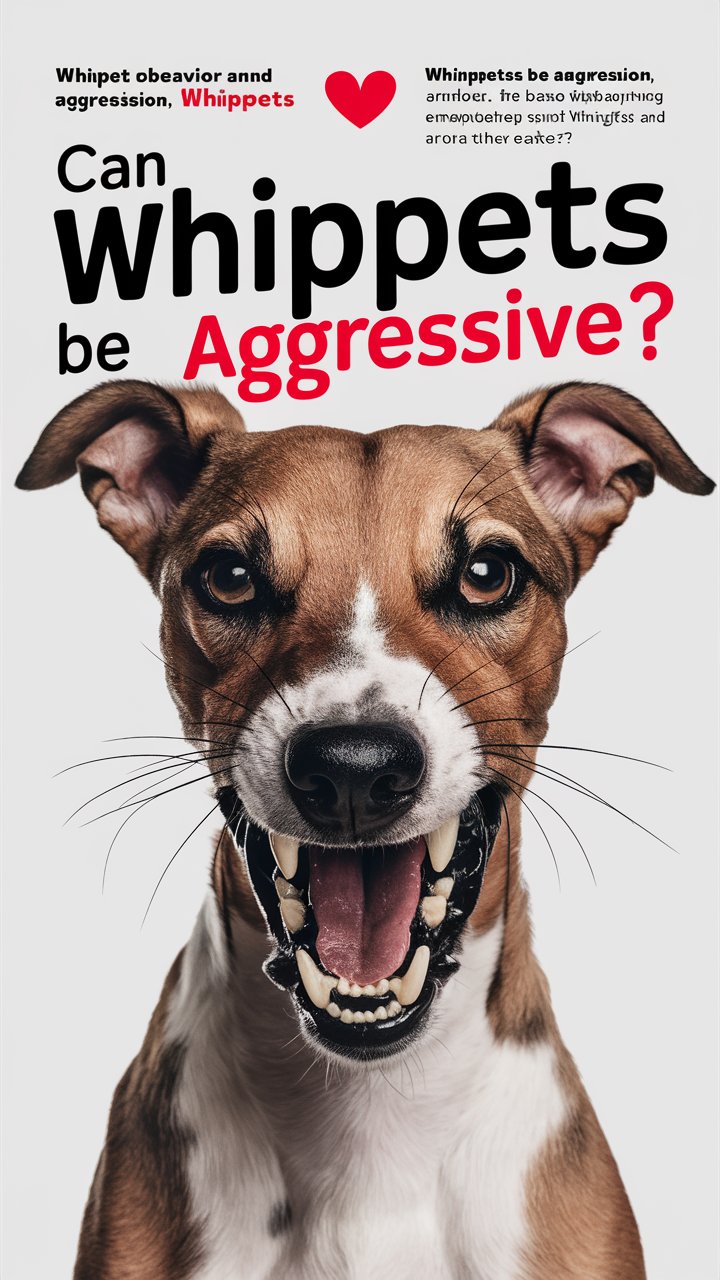
Whippets are often described as gentle, affectionate, and family-friendly companions. Their calm personality and sweet nature make them one of the most lovable breeds. But like any dog, Whippets can show signs of aggression under certain conditions.
If you’re wondering:
- Are Whippets naturally aggressive?
- What situations can trigger aggression?
- How can I prevent my Whippet from becoming aggressive?
You’re in the right place.
This complete guide dives into 11 causes of aggression in Whippets, how to recognize early warning signs, and practical strategies to prevent and stop aggression. With the right knowledge, you can ensure your Whippet stays the affectionate, loyal companion they’re meant to be.
📌 Table of Contents
- Can Whippets Be Aggressive by Nature?
- 11 Reasons Whippets Can Become Aggressive
- Anxiety
- Fear
- Trauma & Abandonment
- Illness or Injury
- Territorial Behavior
- Dominance Issues
- Frustration
- Lack of Socialization
- Instinctual Responses
- Hormonal Aggression
- Improper Training
- Warning Signs of Aggression in Whippets
- 8 Proven Tips to Prevent & Stop Aggression
- FAQs: Whippets & Aggression
- Final Thoughts
🐶 Can Whippets Be Aggressive by Nature?
Generally, Whippets are not aggressive dogs. They’re known for being quiet, affectionate, and eager to please. Most are gentle couch companions who get along well with families, children, and even other dogs.
However, aggression isn’t about breed—it’s about triggers and circumstances. Without proper training, socialization, or care, even the most gentle Whippet may show aggression.
According to canine behavior studies, fear-based aggression is the most common type across breeds—including Whippets. This means Whippets aren’t born aggressive, but they can learn aggressive behaviors if they feel unsafe, neglected, or misunderstood.
⚡ 11 Reasons Whippets Can Become Aggressive
1) Whippets With Anxiety
Whippets are naturally sensitive and can easily develop anxiety. Triggers include:
- Loud noises (fireworks, thunderstorms)
- Being left alone (separation anxiety)
- Strangers or new environments
An anxious Whippet may growl, snap, or hide. If left untreated, anxiety can evolve into defensive aggression.
Advanced Tip: Use calming tools (pheromone diffusers, anxiety wraps, calming chews) along with desensitization training.
2) Fear Reaction
When frightened, Whippets may go into fight or flight mode. Some freeze, while others show aggression as a defense mechanism.
Example: A rescue Whippet who fears punishment might growl or bite if a hand is raised too quickly.
What to Do:
- Avoid punishing fearful behavior.
- Use positive reinforcement and create safe spaces at home.
3) Trauma or Abandonment Issues
Whippets with a history of neglect or abuse may carry emotional scars. These dogs often:
- Guard food or toys aggressively.
- Snap when touched unexpectedly.
- Struggle to trust strangers.
Case Study: A UK rescue center reported that Whippets with abandonment trauma showed a 40% higher chance of resource guarding than non-rescues.
Solution: Slow bonding, patience, and professional behavior therapy can help.
4) Illness or Injury
A sudden change in temperament may indicate a medical issue. Dogs in pain often lash out to protect themselves.
Examples of health triggers:
- Arthritis in older Whippets
- Dental pain
- Neurological issues (like dementia)
Tip: Always rule out medical conditions with a vet before assuming behavior is “just aggression.”
5) Territorial Behavior
Whippets can become protective of their space, toys, or humans. While they’re not natural guard dogs, insecurity can fuel territorial aggression.
Signs include:
- Growling when someone approaches their bed.
- Snapping if another dog comes near their food.
Advanced Fix: Teach a “trade command” (swap toys/food with a treat) to reduce guarding tendencies.
6) Dominance Issues
Most Whippets are submissive, but a minority may test boundaries by acting dominant. This can result in:
- Mounting behaviors
- Blocking access to rooms or furniture
- Snapping at other pets
Training Approach: Use consistent rules and reward calm, obedient behavior. Avoid punishment-based dominance training, which worsens aggression.
7) Frustration
Whippets are sensitive, but they can become frustrated when restrained or ignored. Common frustration triggers:
- Being on a leash near other dogs
- Not being able to chase (they’re sighthounds)
- Waiting for food or playtime
Frustration can lead to redirected aggression (snapping at whoever is closest).
8) Lack of Socialization
Whippets who aren’t socialized early may become fearful or aggressive in new situations.
Poorly socialized Whippets may:
- Bark excessively at visitors
- Snap when handled by strangers
- Struggle in multi-dog households
Prevention Tip: Begin controlled exposure to people, pets, and environments by 8–12 weeks of age.
9) Instinctual Responses
Whippets are sighthounds, bred to chase small animals. Their prey drive can sometimes trigger aggression toward smaller pets like rabbits or cats.
Solution: Controlled introductions, leash training, and never leaving Whippets unsupervised with small pets.
10) Hormonal Aggression
Unneutered males may fight other males over dominance or mating rights. Females in heat may also act defensively.
Vet Insight: Neutering often reduces hormone-driven aggression, though it’s not a cure-all. Pair with training for best results.
11) Improper Training
Dogs reflect their training. Harsh methods or unintentional reinforcement of bad behavior can create aggression.
Example: Yelling at a Whippet for barking may make them think you’re “barking along,” reinforcing the behavior.
Better Approach: Use positive reinforcement and reward calm, quiet behavior.
🚩 Warning Signs of Aggression in Whippets
Look for these early red flags:
- Growling, baring teeth
- Stiff body posture
- Intense staring
- Snapping at touch
- Guarding food or toys
Catching aggression early makes it far easier to fix.
✅ 8 Tips to Prevent & Stop Aggression in Whippets
- Identify Triggers → Keep a log of situations where aggression occurs.
- Early Socialization → Expose them safely to new people, dogs, and environments.
- Stay in Control → Use leashes, gates, and structured routines.
- Avoid Rough Play → Replace tug-of-war with puzzle toys and scent games.
- Positive Reinforcement → Reward calm behavior, ignore unwanted actions.
- Professional Help → Certified trainers or behaviorists can provide tailored solutions.
- Vet Checkups → Rule out hidden pain or illness.
- Mental Stimulation → Whippets need brain games, not just physical exercise.
❓ FAQs About Whippet Aggression
Q1: Are Whippets good with children?
Yes, most Whippets are affectionate with kids. Aggression usually comes from fear, pain, or poor training—not the breed itself.
Q2: Do Whippets get along with other dogs?
Generally yes, but poor socialization or dominance issues can cause problems. Slow introductions are best.
Q3: Can Whippets live with cats?
Some can, especially if raised together. Others may see cats as prey. Controlled introductions are essential.
Q4: At what age do Whippets show aggression?
Aggression can surface at any age, but it often appears during adolescence (6–18 months) if not trained and socialized.
🌟 Final Thoughts
Whippets are naturally gentle, loving dogs, but any dog can become aggressive under the wrong conditions. Anxiety, trauma, poor training, or health issues can all play a role.
The good news? With early intervention, proper training, and care, Whippets can remain the calm, affectionate companions they’re meant to be.
If you notice aggression in your Whippet, don’t panic—address the cause, use positive reinforcement, and seek professional help if needed. Your Whippet can absolutely thrive as a loving family member.