
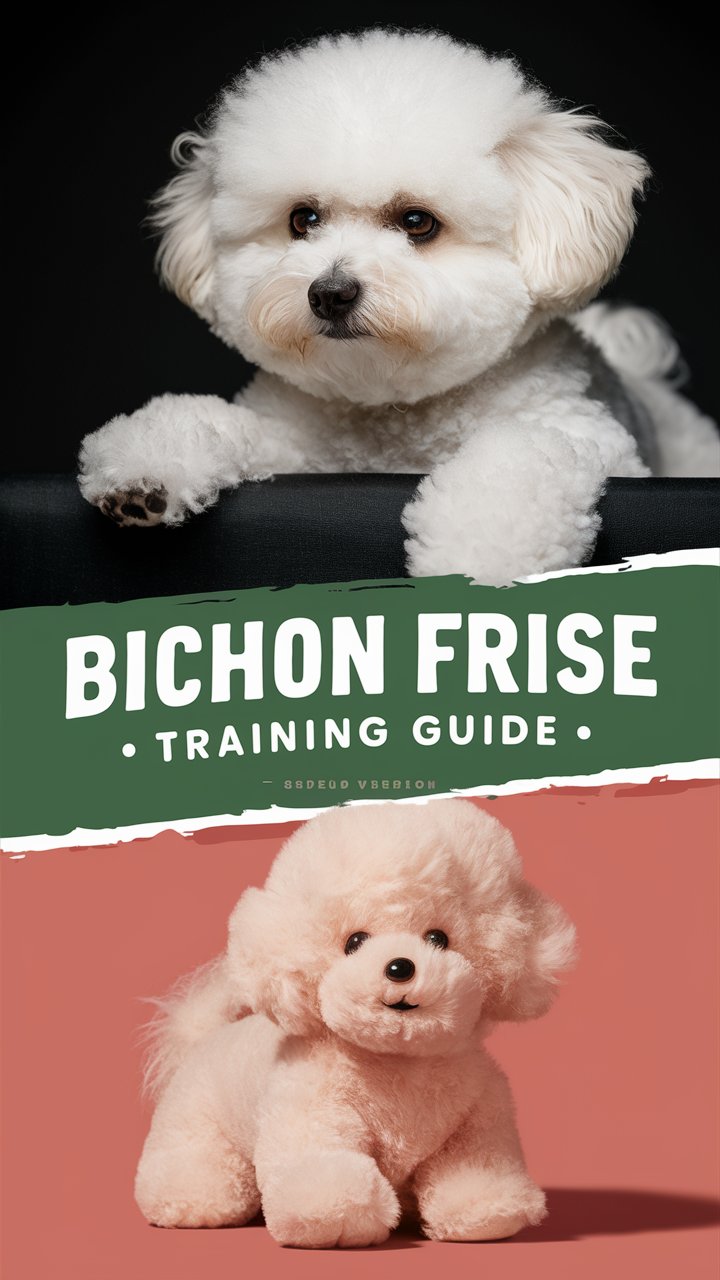
If you own a Bichon Frise, you already know what a joy these fluffy, happy-go-lucky companions can be. They’re affectionate, cheerful, and full of charm. But here’s the challenge: their playful, spirited nature can sometimes make training tricky.
The good news? With the right techniques, patience, and consistency, your Bichon Frise can transform into a well-mannered, loving, and obedient companion. This isn’t just about teaching commands—it’s about building a lifelong bond of trust, respect, and love.
In this ultimate guide, we’ll go beyond the basics. You’ll discover advanced training strategies, expert tips, real-life solutions to common problems, and even health + nutrition connections that influence behavior.
Whether you’re a first-time Bichon parent or a seasoned dog lover, these tips will help you raise a confident, obedient, and happy pup.
Why Training a Bichon Frise Is Unique
Before jumping into tips, it’s important to understand why Bichon training needs a special approach:
- 🐶 Highly Social Breed – They thrive on companionship and hate being left alone.
- 🧠 Intelligent & Quick Learners – They pick up commands fast but can also learn “bad habits” quickly if you’re inconsistent.
- 🎭 Emotional Sensitivity – Harsh training backfires; they respond best to gentle, positive reinforcement.
- 🏡 Apartment-Friendly but Energetic – Small size doesn’t mean low energy; they need both mental and physical stimulation.
These traits make training rewarding but also require patience and creativity.
11 Advanced Training Tips for Bichon Frise Owners
1. Start Early – But Train for the Long Run
Most owners start training as puppies, which is great—but training shouldn’t stop there.
- Puppy Phase (8–16 weeks): Focus on crate training, potty training, and socialization.
- Adolescent Phase (6–12 months): Rebellious stage; reinforce commands and prevent bad habits.
- Adult Phase: Keep training active with advanced commands and enrichment.
👉 Upgrade Weak Point: Most guides stop at “start early.” The truth is, Bichons need lifelong training refreshers to prevent regression.
2. Socialization with Purpose
Instead of just “introducing your pup to people,” make socialization structured and positive.
- Arrange puppy playdates with different breeds.
- Expose them to noises (traffic, vacuum, TV, fireworks recordings).
- Use treats + calm praise when they stay confident in new settings.
👉 Why? Poorly socialized Bichons may develop fear-based barking, separation anxiety, or timidness.
3. Positive Reinforcement, Never Punishment
Your Bichon is sensitive. Scolding only causes anxiety. Use a reward system:
- Treats
- Verbal praise (“Good boy/girl!”)
- Playtime with favorite toys
💡 Expert Tip: Rotate rewards. If you always use food, your pup may only obey when hungry. Mix in praise, petting, and games.
4. Crate Training – The Right Way
A crate should feel like a den, not a jail.
- Add soft bedding and safe chew toys.
- Keep crate sessions short in the beginning.
- Never use the crate as punishment.
👉 Upgrade Weak Point: Most guides stop here. Advanced hack: Use the crate for calm-down training. If your Bichon gets hyper, guide them into the crate with a treat, let them relax, then reward calmness.
5. Potty Training Consistency
Potty training is where many Bichon owners struggle.
- Take them out every 2–3 hours, especially after meals and naps.
- Use a designated potty spot outdoors to build routine.
- Reward IMMEDIATELY after success (not when they come back inside).
👉 Common Mistake: Scolding after accidents. It doesn’t work; it just confuses your pup.
6. Exercise Beyond Walks
Daily walks aren’t enough. Bichons need mental + physical outlets.
- Fetch indoors on rainy days.
- Agility training with small jumps and tunnels.
- Interactive play like tug-of-war.
👉 Advanced Tip: Combine training with exercise. Example: Make your Bichon sit before fetch or stay before tug-of-war. This builds discipline.
7. Brain Games & Puzzle Toys
A bored Bichon = a destructive Bichon. Keep their mind busy with:
- Puzzle feeders
- Snuffle mats
- Hide-and-seek games with treats
👉 Upgrade: Teach them names of toys. Bichons are smart enough to learn commands like “bring ball” or “find teddy.”
8. Obedience Foundation – Sit, Stay, Come
Basic commands aren’t “optional.” They’re lifesavers.
- Sit: Builds impulse control.
- Stay: Prevents door-dashing accidents.
- Come: Crucial for safety outdoors.
👉 Advanced Twist: Add hand signals. Bichons can learn non-verbal commands, which is great in noisy environments.
9. Grooming = Training Opportunity
Bichons need regular grooming. Turn it into training:
- Brush daily while rewarding calm behavior.
- Touch paws, ears, and mouth gently to prepare for vet visits.
- Introduce nail clipping slowly with treats.
👉 Advanced Tip: Use clicker training during grooming to mark calmness.
10. Prevent Separation Anxiety
Bichons are velcro dogs—they hate being left alone.
- Start with 5-minute departures, gradually extend time.
- Leave a comfort toy or worn shirt with your scent.
- Use calming music or white noise.
👉 Advanced Hack: Train a “stay command” for rooms. Teach them to relax in a bed while you leave briefly, building confidence.
11. Love + Leadership Balance
Yes, shower them with love—but also provide structure.
- Too much babying = clinginess.
- Too strict = anxiety.
- Balance = confident, happy pup.
👉 Remember: A Bichon needs both affection and direction.
Advanced Training Mistakes to Avoid
❌ Inconsistency (different family members using different commands)
❌ Overfeeding treats during training → weight gain
❌ Too much freedom too soon (causes accidents + bad habits)
❌ Harsh corrections (ruins trust)
Nutrition & Behavior Connection (Rarely Discussed)
Did you know your Bichon’s diet affects training success?
- High-sugar or carb-heavy kibble = hyperactivity
- Protein-balanced meals = better focus
- Omega-3 rich foods = calmer temperament
👉 Bonus Resource: [50 Printable Dog Food Recipes PDF] – Healthy, vet-friendly, and easy homemade meals for better behavior + health.
FAQs About Bichon Training
Q: How do I stop my Bichon from barking too much?
A: Identify triggers. Use “quiet” command + reward silence. Provide enough exercise and mental stimulation.
Q: Can older Bichons be trained?
A: Absolutely! Older dogs may take longer, but consistency + positive reinforcement still work.
Q: How often should I train my Bichon?
A: Short sessions (5–10 minutes) 2–3 times daily are more effective than one long session.
Final Thoughts
Training a Bichon Frise isn’t just about obedience—it’s about building a lifelong bond of trust, respect, and love. With the right balance of consistency, positive reinforcement, exercise, and patience, your Bichon can become the perfect family companion.
Remember: every dog learns differently. Adjust strategies to your pup’s personality. Stay calm, stay consistent, and always reward the behaviors you want.
❤️ Your fluffy best friend is capable of so much more than you think—help them shine.
👉 Loved this guide? Save it, share it, and follow us for more expert dog care + training tips.