
🐶 Introduction
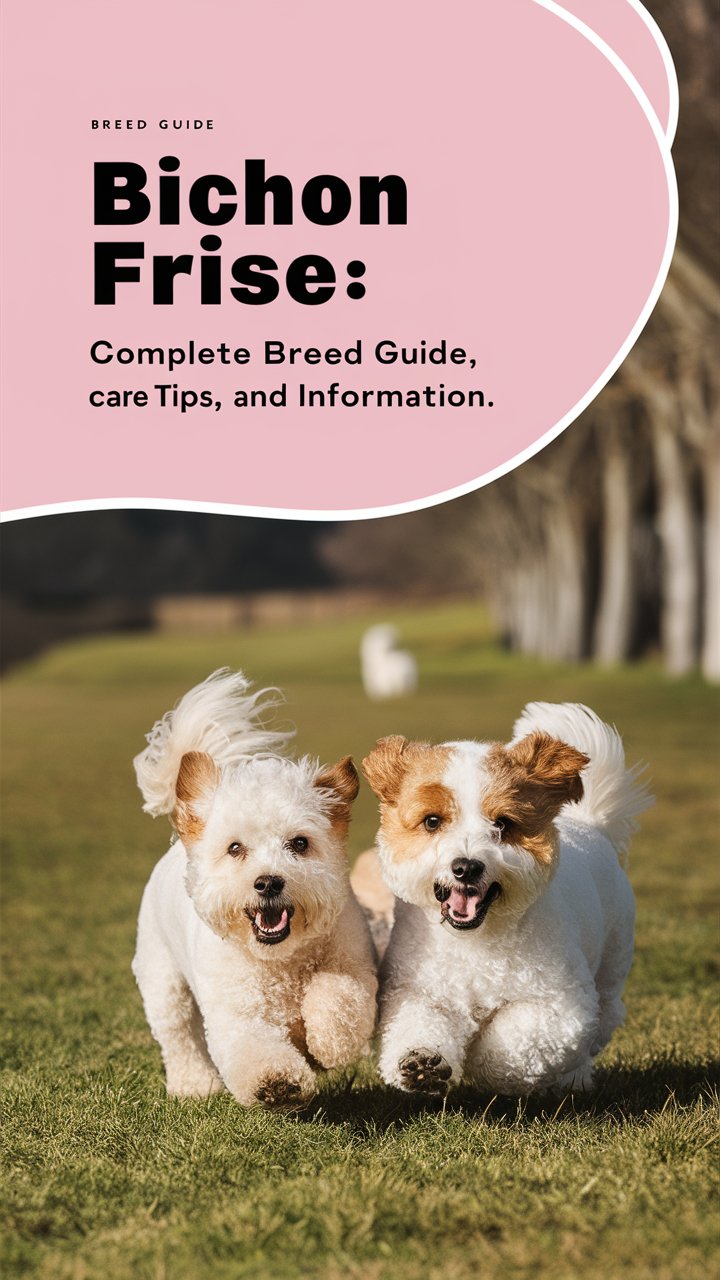
The Bichon Frise is often called a “powder puff dog with a merry heart.” Behind those fluffy curls and sparkling eyes lies a playful, intelligent, and affectionate companion. But here’s the truth: without proper training, your sweet Bichon can quickly turn into a barking, chewing, and mischief-making ball of fur.
Training this breed isn’t just about teaching commands; it’s about shaping a lifestyle, building trust, and creating harmony between you and your pup. In this guide, I’ll share 11 expert training tips plus hidden weak points most owners overlook. I’ll also add advanced techniques, real-life hacks, and pro-trainer advice to help you raise a well-behaved, happy, and confident Bichon Frise.
✅ 1. Start Early but Don’t Rush
Many owners assume that training starts when a dog turns 6 months. Wrong! Your Bichon’s brain is most receptive between 8–16 weeks.
Pro Tip: Begin with name recognition, potty training, and crate introduction the very first week. But don’t overload—short, playful sessions (5–10 minutes) work best.
Weak Point Most Owners Miss: They skip early training because the puppy “looks too small.” This delay causes stubborn habits later.
✅ 2. Master Socialization with Structure
Bichons love people and pets—but if not socialized properly, they can develop timidness or fear barking.
How to Upgrade:
- Expose your pup to 5 new experiences a week (different surfaces, sounds, smells).
- Arrange “controlled playdates” with calm dogs first before letting them meet excitable ones.
- Use treats during greetings to build positive association.
Common Weak Point: Owners throw their pup into chaotic environments (like a busy park). This overwhelms the Bichon and creates long-term anxiety.
✅ 3. Positive Reinforcement—But Be Smart
Yes, Bichons respond best to praise + rewards, but many owners turn into treat machines.
Pro Trainer Hack: Use the 3T Method: Treat → Transition → Token.
- First, reward with treats.
- Then, shift to praise or toy rewards.
- Later, use occasional “surprise treats” to keep motivation high.
Weak Point: Overfeeding during training → weight gain + dependency on treats.
✅ 4. Potty Training: Avoid the #1 Mistake
Bichons are infamous for being stubborn potty learners. Most owners fail because they:
- Don’t keep a strict schedule.
- Scold accidents instead of rewarding success.
Upgrade Strategy:
- Use bell training (teach them to ring a bell before going out).
- Stick to a 15-minute post-meal rule (always take them out 15 minutes after eating).
- Reward IMMEDIATELY after outdoor success.
Weak Point: Delayed rewards confuse the dog. A pat 2 minutes later = meaningless.
✅ 5. Crate Training: Build a Safe Haven
Your Bichon’s crate is not a jail—it’s a den of comfort.
Advanced Tips:
- Place a worn T-shirt inside (your scent calms anxiety).
- Cover crate with a light blanket for a “den-like” vibe.
- Use it for naps, not just sleep.
Weak Point: Using the crate for punishment = instant fear.
✅ 6. Daily Exercise & Mental Workouts
A tired Bichon = a happy Bichon. These dogs need 45–60 minutes daily activity (walks + play).
Upgrades:
- Try snuffle mats for mealtime.
- Use puzzle feeders and short agility drills at home.
- Rotate toys weekly for novelty.
Weak Point: Owners think a “short walk” is enough → results in barking and destructive chewing.
✅ 7. Teach “Quiet” Early
Bichons bark—a lot. Don’t wait until it becomes unbearable.
Training Hack:
- Teach “quiet” using the speak–quiet method.
- Reward silence, not barking.
- Pair command with hand signals.
Weak Point: Yelling at a barking dog only excites them more.
✅ 8. Grooming Training = Stress-Free Life
That fluffy coat needs daily brushing + monthly trims. Train your pup to enjoy grooming.
Steps:
- Introduce brush as a “game toy.”
- Pair each session with tiny treats.
- Touch paws, ears, tail gently every day → reduces vet/groomer fear.
Weak Point: Owners skip early grooming handling → results in lifelong grooming battles.
✅ 9. Avoid Separation Anxiety
Bichons love being with you. Left alone too much = destructive behavior.
Upgrade Method:
- Start with 5-minute separations, gradually increase.
- Leave Kong toys stuffed with frozen treats.
- Practice “fake exits” to desensitize.
Weak Point: Owners baby-talk before leaving → this actually worsens anxiety.
✅ 10. Advanced Commands Build Confidence
Don’t stop at sit–stay–come. Teach:
- “Touch” (great for recall).
- “Place” (settle on a mat).
- “Leave it” (stops chewing hazards).
Pro Tip: Keep sessions short + fun, use hand signals (Bichons are very responsive visually).
✅ 11. Bond Through Play & Love
The strongest training tool? Your bond. Bichons thrive on attention. Make training = playtime.
Bonding Activities:
- Tug-of-war (teaches control).
- Hide & seek.
- Trick training (roll over, spin).
Weak Point: Some owners treat dogs as “decoration pets” → lack of engagement = behavior issues.
🔎 Frequently Asked Questions
Q1: Why is my Bichon hard to potty train?
Because of a small bladder + sensitive nature. Stick to schedules, reward immediately, and never punish.
Q2: Do Bichons bark too much?
Yes, but training “quiet” early, keeping them exercised, and giving them stimulation reduces barking.
Q3: Are they good for first-time owners?
Absolutely—if you’re ready for daily grooming + consistent training.
🎯 Conclusion
Training a Bichon Frise is not about dominance—it’s about guidance, patience, and consistency. By addressing common weak points, using advanced methods, and bonding daily, you’ll raise a Bichon that’s not just obedient but truly joyful.
Think of training as a partnership: your love + their eagerness = the perfect duo. With the right approach, your fluffy companion will become the envy of every dog park.